
ffc08a98-d009-4f17-8101-e2c38b98af7d

Why Lower Back Pain Happens & How Physiotherapy Fixes It

Lower back pain is one of the most common health problems affecting people across all age groups today. From students and working professionals to homemakers and older adults, almost everyone experiences some form of lower back pain at least once in their lifetime. For some, it may feel like mild discomfort that disappears after rest. For others, it can become a constant problem that affects daily activities like walking, sitting, bending, or even sleeping peacefully.

The lower back plays a major role in supporting your body weight and keeping you stable during movement. Because it is constantly working, it is also highly prone to injury and strain. Many people ignore the pain and depend on painkillers, rest, or home remedies. While these may offer temporary relief, they do not address the real cause of the pain. That is why lower back pain often returns again and again.

The good news is that most cases of lower back pain are treatable without surgery. Physiotherapy is considered one of the safest and most effective treatments because it not only reduces pain but also corrects posture, strengthens weak muscles, improves flexibility, and prevents the pain from coming back.

In this blog, we will explore the major reasons why lower back pain happens and how physiotherapy helps in long-term recovery.


Understanding the Lower Back (Lumbar Spine)

The lower back, also called the lumbar spine, consists of five vertebrae (L1 to L5). It is designed to handle heavy loads, allow flexibility, and support movements such as bending forward, twisting, and lifting objects. The lumbar spine includes:

  • Vertebrae (bones of the spine)
  • Intervertebral discs (shock absorbers between vertebrae)
  • Muscles and ligaments that support movement
  • Facet joints that provide stability
  • Spinal nerves that connect the brain to the legs and pelvis

Since the lower back is responsible for both stability and movement, even small muscle imbalances, poor posture, or incorrect lifting techniques can put extra pressure on the spine and lead to pain.

Lower back pain is usually categorized into three main types:

1. Acute Back Pain

Acute pain lasts for a few days to a few weeks and is commonly caused by muscle strain or minor injury.

2. Chronic Back Pain

Chronic pain lasts for more than three months and often requires professional treatment, lifestyle changes, and rehabilitation.

3. Mechanical Back Pain

Mechanical pain increases with movement and decreases with rest. This is the most common type and is highly treatable through physiotherapy.


Why Lower Back Pain Happens (Common Causes)

Lower back pain can happen suddenly or develop gradually over time. The cause differs from person to person. Let’s look at the most common reasons.


1. Poor Posture and Sitting Habits

Poor posture is one of the leading causes of back pain today. Most people spend long hours sitting at desks, studying, or using mobile phones. When posture is incorrect, the spine becomes stressed and muscles begin to tighten.

Examples of poor posture include:

  • Slouching while sitting
  • Sitting without back support
  • Leaning forward while using a laptop
  • Bending the neck downward while scrolling on a phone
  • Sitting in one position for too long

When you sit incorrectly, the lower back loses its natural curve. This increases pressure on the discs and causes muscles to overwork, leading to stiffness and pain.

Over time, poor posture can also weaken the core muscles, which further increases back pain risk.


2. Weak Core Muscles

The core muscles are the foundation of your body. They include the abdominal muscles, pelvic muscles, hip muscles, and lower back muscles. Their main job is to stabilize your spine and support your movements.

If your core muscles are weak, your lower back has to do extra work to maintain stability. This results in excessive strain and pain, especially during bending, lifting, walking, or even standing.

Core weakness is common in:

  • People with sedentary lifestyle
  • Office workers who sit all day
  • People who do not exercise regularly
  • Post-pregnancy women
  • People who avoid movement due to fear of pain

Strengthening the core is one of the most important steps in long-term back pain recovery.


3. Muscle Strain and Ligament Injury

A muscle strain occurs when the back muscles are stretched too far or torn. Ligament sprains happen when the supportive ligaments around the spine are overstretched.

This usually happens due to:

  • Sudden lifting of heavy objects
  • Twisting movements
  • Over-exercising
  • Sudden jerky movement
  • Incorrect gym workouts

Symptoms may include sharp pain, difficulty bending, muscle spasms, and stiffness.

Muscle strain is one of the most common causes of acute lower back pain and can heal faster with proper physiotherapy.


4. Herniated Disc (Slip Disc)

Between the vertebrae in your spine, there are soft discs that act as cushions. These discs absorb shock and help in smooth movement. Sometimes, due to injury or excessive pressure, a disc may bulge out or rupture. This condition is known as a herniated disc or slip disc.

A slip disc can press on nearby nerves, causing symptoms like:

  • Lower back pain
  • Pain radiating into the buttocks or legs
  • Tingling or numbness in the leg
  • Weakness in the foot or leg
  • Pain that worsens while sitting

Slip disc is commonly seen in people who lift weights incorrectly, sit for long hours, or have weak back support muscles.


5. Sciatica (Nerve Pain)

Sciatica is not a disease but a symptom caused by irritation or compression of the sciatic nerve. The sciatic nerve is the largest nerve in the body and runs from the lower back through the hips and down the legs.

Sciatica pain is often described as:

  • Sharp shooting pain from back to leg
  • Burning sensation
  • Tingling or numbness
  • Pain on one side of the body
  • Increased pain when sitting or bending

Sciatica is commonly caused by slip disc, spinal narrowing, or tight muscles compressing the nerve.

Physiotherapy is one of the most effective treatments for sciatica as it reduces nerve pressure and improves mobility.


6. Tight Hip Flexors and Hamstrings

Many people don’t realize that lower back pain can be caused by tight muscles in the hips and legs. When hip flexors and hamstrings become tight, they pull the pelvis out of its natural alignment. This creates imbalance in the lower spine and leads to discomfort.

This is common in:

  • People who sit for long hours
  • People who skip stretching
  • People with poor mobility

Stretching and mobility exercises play a major role in back pain relief.


7. Sedentary Lifestyle and Lack of Movement

A sedentary lifestyle means sitting or lying down for long periods without physical activity. This leads to poor blood circulation, stiffness in joints, and weakening of muscles.

When your muscles become weak and your spine loses flexibility, even small daily tasks like bending to pick something up can trigger pain.

A sedentary lifestyle is one of the biggest causes of chronic lower back pain, especially in young adults today.


8. Obesity and Excess Weight

Extra body weight increases pressure on the lower spine. People with excess belly fat often develop a forward pelvic tilt, which creates more strain on the lumbar spine.

Excess weight may lead to:

  • Poor posture
  • Increased disc pressure
  • Faster degeneration of spine joints
  • Reduced mobility

Even moderate weight loss can significantly reduce back pain and improve spinal health.


9. Stress and Mental Tension

Stress and anxiety can also contribute to lower back pain. When the body is under stress, muscles become tight and stiff. Stress also affects sleep and reduces physical activity, both of which increase pain sensitivity.

People who experience chronic stress may notice:

  • Muscle tightness in the back
  • Increased pain after emotional stress
  • Fatigue and poor recovery

Physiotherapy combined with relaxation, stretching, and movement is very effective for stress-related pain.


10. Age-Related Wear and Tear

As people age, the spine naturally experiences wear and tear. Discs may lose hydration, joints may become stiff, and the spine may lose flexibility. Conditions like arthritis or degenerative disc disease can develop.

Age-related back pain is common in older adults but can be managed effectively through physiotherapy exercises, mobility training, and pain relief techniques.


Symptoms of Lower Back Pain You Should Not Ignore

Most mild back pain improves in a few days. However, some symptoms may indicate a serious issue and should not be ignored.

You should consult a physiotherapist or doctor if you experience:

  • Pain lasting longer than 7–10 days
  • Pain that is increasing day by day
  • Pain spreading to the leg or foot
  • Numbness or tingling sensation
  • Weakness in legs
  • Difficulty walking or standing
  • Severe pain after a fall or accident
  • Loss of bladder or bowel control (medical emergency)

Early treatment can prevent complications and avoid long-term damage.


How Physiotherapy Fixes Lower Back Pain

Physiotherapy is one of the best long-term solutions for lower back pain because it focuses on treating the root cause rather than masking the symptoms. Painkillers may reduce discomfort temporarily, but physiotherapy helps restore normal function and prevents recurrence.

Here’s how physiotherapy helps:


1. Detailed Assessment and Diagnosis

Physiotherapy treatment begins with a complete assessment. A physiotherapist evaluates:

  • Posture and spinal alignment
  • Muscle tightness and weakness
  • Range of motion
  • Walking and movement patterns
  • Core strength
  • Nerve involvement (like sciatica symptoms)
  • Lifestyle and work routine

This helps identify the exact reason for pain and ensures the treatment plan is personalized.


2. Pain Relief Techniques

Physiotherapy offers safe and non-invasive pain relief methods such as:

  • Heat therapy to relax muscles
  • Cold therapy to reduce inflammation
  • Ultrasound therapy
  • TENS therapy (electrical stimulation)
  • Soft tissue release

These techniques reduce pain, swelling, and stiffness, helping patients move comfortably again.


3. Manual Therapy and Muscle Relaxation

Manual therapy is a hands-on technique where physiotherapists use skilled movements to improve joint mobility and release muscle tension.

Manual therapy includes:

  • Joint mobilization
  • Trigger point release
  • Deep tissue massage
  • Myofascial release
  • Assisted stretching

This reduces muscle spasms and improves spinal flexibility.


4. Core Strengthening Exercises

One of the main goals of physiotherapy is strengthening the muscles that support the spine. Core strengthening improves stability and reduces pressure on the lumbar spine.

Common exercises include:

  • Pelvic tilts
  • Bridges
  • Planks (modified for beginners)
  • Bird-dog exercises
  • Abdominal bracing

These exercises are prescribed gradually based on pain level and condition.


5. Flexibility and Mobility Training

Physiotherapists also focus on improving flexibility, especially in:

  • Hamstrings
  • Hip flexors
  • Piriformis muscle
  • Lower back muscles

Stretching and mobility exercises reduce stiffness and improve movement patterns, preventing pain recurrence.


6. Posture Correction and Ergonomic Guidance

Posture correction is essential for long-term recovery. Physiotherapists teach correct posture for:

  • Sitting at desk
  • Using mobile phones
  • Standing and walking
  • Sleeping positions
  • Driving posture

They also guide ergonomic changes like chair height, desk alignment, and back support to reduce strain on the spine.


7. Rehabilitation for Slip Disc and Sciatica

Physiotherapy plays a major role in treating slip disc and sciatica without surgery in many cases.

Treatment may include:

  • Nerve gliding exercises
  • Decompression techniques
  • Core stabilization training
  • Postural correction
  • Gradual strengthening

A structured rehab program reduces nerve pressure and improves spinal function safely.


8. Education and Prevention

One of the biggest benefits of physiotherapy is that it teaches patients how to prevent future pain.

Patients learn:

  • Safe lifting methods
  • Correct body mechanics
  • Stretching routines
  • Exercise modifications
  • How to manage early symptoms

This helps avoid recurring episodes and improves long-term spine health.


How Long Does Physiotherapy Take to Treat Lower Back Pain?

The recovery timeline depends on the cause and severity of pain.

On average:

  • Mild strain: 1–2 weeks
  • Posture-related pain: 2–4 weeks
  • Chronic back pain: 4–8 weeks
  • Slip disc / sciatica: 6–12 weeks
  • Post-surgery rehabilitation: varies

Consistency with exercises and posture correction plays a major role in faster recovery.


Tips to Prevent Lower Back Pain from Coming Back

Lower back pain often returns when lifestyle habits are not corrected. Here are practical tips:

1. Avoid Sitting Too Long

Take a break every 30–40 minutes.

2. Strengthen Your Core

Even 10 minutes daily can improve spine support.

3. Stretch Regularly

Stretch hamstrings, hips, and lower back daily.

4. Maintain Correct Posture

Sit with back support and keep shoulders relaxed.

5. Lift Objects Correctly

Always bend your knees and keep your back straight.

6. Walk Daily

Walking improves circulation and strengthens back muscles.

7. Maintain Healthy Weight

Less weight means less pressure on your spine.


When Should You Visit a Physiotherapist?

You should consult a physiotherapist if:

  • Your pain is affecting daily life
  • Pain is recurring frequently
  • You feel stiffness in the morning
  • Pain radiates to legs
  • Pain increases while sitting or bending
  • You want long-term relief without relying on painkillers

Early physiotherapy prevents the condition from becoming chronic.


Conclusion

Lower back pain is extremely common, but it should not be treated casually. Whether it is caused by poor posture, weak muscles, slip disc, sciatica, stress, or lifestyle habits, ignoring the pain can lead to long-term complications.

Physiotherapy is one of the most effective and safest treatments for lower back pain because it targets the root cause. It reduces pain, strengthens weak muscles, improves flexibility, corrects posture, and teaches you how to prevent the pain from returning.

If you are experiencing lower back pain, the right physiotherapy plan can help you recover faster and return to your normal life without discomfort.

e84fe1fb-432f-440a-a37f-107d998b036b

Registered Massage Therapy (RMT) in Mississauga: When and Why You Should Consider It

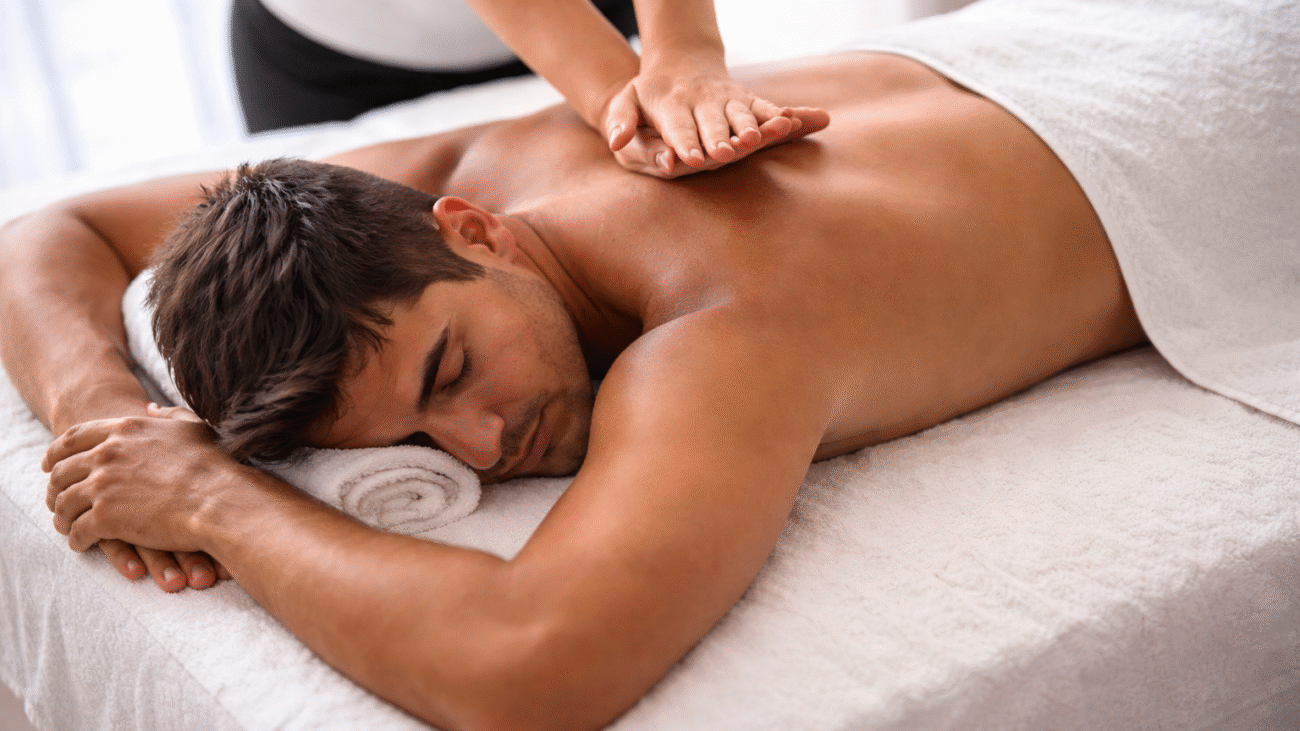
Registered Massage Therapy (RMT) in Mississauga is often misunderstood as a luxury or relaxation service. In reality, it is a regulated healthcare treatment that plays an important role in pain management, injury recovery, stress reduction, and long-term physical health.

As more people deal with desk jobs, chronic stress, reduced physical activity, and recurring aches, massage therapy has become a practical and evidence-based solution. Whether you are managing pain, recovering from an injury, or simply trying to maintain your body as you age, Registered Massage Therapy can be a valuable part of your healthcare routine.

This blog explains what RMT really is, how it works, when you should consider it, and why choosing Registered Massage Therapy in Mississauga can make a meaningful difference in your overall health.


What Is Registered Massage Therapy (RMT)?

Registered Massage Therapy is a form of manual therapy provided by a licensed and regulated healthcare professional known as a Registered Massage Therapist. In Ontario, RMTs are regulated by the College of Massage Therapists of Ontario (CMTO), which ensures high standards of education, safety, and ethical practice.

Unlike spa or relaxation massage, RMT focuses on assessment, treatment, and prevention of physical dysfunction. Treatment is tailored to your body, your symptoms, and your health goals. RMTs are trained in anatomy, physiology, pathology, and clinical assessment, allowing them to work safely with a wide range of conditions.

Registered Massage Therapy in Mississauga is often covered by extended health insurance plans, making it an accessible and cost-effective healthcare option.


How Registered Massage Therapy Works

Massage therapy works by applying specific techniques to muscles, connective tissues, joints, and the nervous system. These techniques can include deep tissue work, myofascial release, trigger point therapy, joint mobilization, and relaxation-based methods depending on your needs.

The benefits of RMT go beyond muscle relaxation. Massage therapy helps improve circulation, reduce inflammation, release muscle tension, and calm the nervous system. It also improves body awareness, helping people recognize and correct harmful movement or posture patterns.

Over time, regular Registered Massage Therapy can reduce pain, improve mobility, and support faster recovery from physical stress or injury.


Common Reasons People Seek Registered Massage Therapy in Mississauga

People seek RMT for many different reasons. Some are dealing with pain, while others are focused on prevention or overall wellness.

1. Chronic Pain Management

One of the most common reasons people choose Registered Massage Therapy in Mississauga is ongoing pain. This can include neck pain, back pain, shoulder tightness, hip discomfort, or headaches.

Chronic pain often develops slowly due to posture, repetitive strain, stress, or old injuries. Massage therapy helps by reducing muscle tension, improving blood flow, and calming pain signals in the nervous system. Over time, this can lead to lasting relief rather than temporary comfort.

2. Work-Related Stress and Tension

Mississauga has a large population of professionals who spend long hours at desks, driving, or working on screens. This lifestyle often leads to tight shoulders, neck stiffness, jaw tension, and lower back discomfort.

Registered Massage Therapy helps counteract the physical effects of stress by relaxing overactive muscles and activating the body’s natural relaxation response. Many clients notice improved sleep, reduced anxiety, and better focus after consistent treatment.

3. Injury Recovery and Rehabilitation

Massage therapy plays an important role in recovery from injuries such as muscle strains, ligament sprains, sports injuries, and motor vehicle accidents.

RMTs work alongside physiotherapists, chiropractors, and other healthcare providers to support healing. Massage therapy improves circulation to injured tissues, reduces scar tissue formation, and restores normal movement patterns.

Registered Massage Therapy in Mississauga is often recommended as part of a multidisciplinary rehabilitation plan.

4. Postural Problems and Muscle Imbalances

Poor posture does not always cause immediate pain, but over time it places stress on muscles and joints. Rounded shoulders, forward head posture, and tight hips are common issues caused by modern lifestyles.

Massage therapy helps release tight muscles and restore balance in the body. While posture correction also requires movement and strengthening, RMT creates the physical conditions needed for lasting improvement.

5. Headaches and Migraines

Many headaches originate from muscle tension in the neck, shoulders, and upper back. Registered Massage Therapy can help reduce the frequency and intensity of tension-type headaches and some migraines by addressing their physical triggers.


When Should You Consider Registered Massage Therapy?

Many people wait until pain becomes severe before seeking care. In reality, massage therapy is most effective when used early and consistently.

You should consider Registered Massage Therapy in Mississauga if you experience:

  • Pain or stiffness lasting more than a few days
  • Recurring pain in the same area
  • Limited range of motion
  • Stress-related muscle tension
  • Difficulty sleeping due to discomfort
  • Soreness that lingers after exercise
  • A feeling of heaviness or tightness in the body

You do not need to wait for an injury or diagnosis. Massage therapy is also preventive care that helps maintain physical health over time.


Benefits of Registered Massage Therapy Beyond Pain Relief

While pain relief is often the main reason people seek treatment, the benefits of RMT extend much further.

Improved Circulation

Massage therapy improves blood and lymphatic flow, which supports tissue health, reduces swelling, and promotes healing.

Better Mobility and Flexibility

Releasing tight muscles and connective tissues allows joints to move more freely, making everyday activities easier and more comfortable.

Nervous System Regulation

Massage therapy activates the parasympathetic nervous system, helping the body relax and recover from chronic stress.

Enhanced Body Awareness

Regular RMT helps people become more aware of their posture, movement patterns, and physical habits, which supports long-term change.

Support for Mental Well-Being

Reduced physical tension often leads to improved mood, better sleep, and reduced anxiety.


What to Expect During a Registered Massage Therapy Session

Your first RMT session usually begins with a health history and assessment. The therapist will ask about your symptoms, lifestyle, work habits, and goals for treatment.

Based on this information, the therapist creates a personalized treatment plan. Pressure and techniques are adjusted to your comfort level and condition. Communication is encouraged throughout the session.

Registered Massage Therapy is not meant to be painful. While some techniques may feel intense, treatment should always feel safe and controlled.

After the session, your therapist may provide home care advice such as stretches, hydration tips, or activity modifications to support results.


Why Choose Registered Massage Therapy in Mississauga?

Mississauga offers access to highly trained and regulated massage therapists who work in professional clinical settings. Choosing an RMT ensures:

  • Proper assessment and individualized treatment
  • Safe care based on medical knowledge
  • Insurance coverage eligibility
  • Integration with other healthcare services

Whether you live or work in Mississauga, RMT services are easily accessible and can be tailored to your schedule and health needs.


How Often Should You Get Massage Therapy?

The ideal frequency depends on your condition, lifestyle, and goals.

  • Acute pain or injury may require more frequent sessions initially
  • Chronic conditions often improve with regular maintenance care
  • Stress management may benefit from monthly sessions
  • Active individuals may use massage as part of recovery

Your therapist will guide you based on how your body responds.


Final Thoughts

Registered Massage Therapy in Mississauga is more than a comfort treatment. It is a proven, regulated healthcare service that supports pain relief, recovery, stress management, and long-term physical health.

Whether you are dealing with discomfort, recovering from an injury, or simply want to take better care of your body, RMT offers a safe and effective solution. The key is consistency, communication, and choosing a qualified therapist who understands your needs.

Investing in your body today can help you move better, feel better, and stay active for years to come.

why-choose-image-3

Physiotherapy After 40: What Changes and What Actually Helps

Physiotherapy After 40: What Changes and What Actually Helps

Turning 40 doesn’t suddenly make your body “old,” but it does change how your muscles, joints, and recovery systems work. Many people start noticing stiffness in the morning, recurring back or neck pain, slower recovery after exercise, or joint discomfort that didn’t exist before. These changes are common, but they are not something you have to accept as normal or permanent.

Physiotherapy after 40 is less about fixing injuries and more about maintaining movement, reducing pain, and protecting long-term mobility. Understanding what actually changes in the body helps you make better decisions about care, exercise, and daily habits.

What changes in the body after 40

1. Muscle mass and strength gradually decline

After 40, the body slowly loses muscle mass if it is not actively maintained. This affects strength, balance, and joint support. Weak muscles put extra pressure on joints, especially the knees, hips, shoulders, and lower back.

This does not mean you become weak overnight. It means strength training and guided movement become more important than random workouts or long rest periods.

2. Joint flexibility reduces

Cartilage and connective tissues lose some elasticity with age. Joints may feel stiff after sitting for long periods or first thing in the morning. Reduced flexibility can change how you move, often without you realizing it, which increases strain on certain areas.

3. Recovery takes longer

In your 20s and 30s, soreness often disappeared quickly. After 40, the same activity may cause pain that lingers for days. This is not a sign of damage, but it is a sign that recovery strategies need to be smarter and more structured.

4. Old injuries start resurfacing

Past injuries, even ones that seemed “healed,” can return as weakness, stiffness, or recurring pain. Often this happens because the area never regained full strength or mobility.

5. Posture and lifestyle have a bigger impact

Years of desk work, screen use, driving, and reduced physical activity show up as neck pain, rounded shoulders, lower-back discomfort, or knee problems. These issues are usually gradual and easily ignored until they become painful.

Common problems people face after 40

  • Persistent back or neck pain
  • Knee pain while climbing stairs or walking
  • Shoulder stiffness or limited movement
  • Heel pain or plantar fasciitis
  • Reduced balance and coordination
  • Pain after workouts instead of during them
  • General stiffness and loss of confidence in movement

These issues are often manageable with the right approach. Surgery or long-term medication is rarely the first or best solution.

How physiotherapy actually helps after 40

Physiotherapy after 40 is different from injury-only treatment. The focus shifts toward restoring movement quality, building strength safely, and preventing future problems.

1. Identifying the real cause of pain

Pain is not always coming from the area where you feel it. Knee pain may come from weak hips. Neck pain may come from poor upper-back mobility. A physiotherapist looks at how your whole body moves, not just the painful spot.

This is important because treating symptoms alone leads to short-term relief and long-term frustration.

2. Restoring mobility safely

Gentle, guided mobility work helps joints move freely again without forcing them. This improves circulation, reduces stiffness, and makes daily activities easier.

Mobility exercises after 40 should be controlled and purposeful, not aggressive stretching.

3. Rebuilding strength without overload

Strength training becomes essential after 40, but it must be done correctly. Physiotherapy focuses on activating the right muscles and progressing slowly. This protects joints while improving stability and confidence.

Strong muscles reduce pain by supporting joints and improving posture.

4. Improving balance and coordination

Balance naturally declines with age, but it can be trained. Physiotherapy includes exercises that improve coordination, stability, and reaction time, which reduces the risk of falls and injuries.

5. Correcting posture and movement habits

Small daily habits like how you sit, stand, lift, or sleep affect your body more after 40. Physiotherapists help correct these patterns so your body works with you, not against you.

What physiotherapy after 40 is NOT

There are many misconceptions that stop people from starting physiotherapy early.

  • It is not only for athletes or severe injuries
  • It is not just massage or temporary pain relief
  • It is not about pushing through pain
  • It does not mean your body is “failing”

Physiotherapy is proactive care. The earlier you start, the easier it is to maintain comfort and mobility.

How long does it take to see results?

This depends on consistency, lifestyle, and the type of issue. Many people notice reduced pain and improved movement within a few sessions. Long-term improvement comes from following the exercise plan and making small daily changes.

Physiotherapy works best when it becomes part of your routine, not just something you do during pain episodes.

What actually helps the most after 40

1. Consistency over intensity

Doing moderate exercises regularly is far more effective than occasional intense workouts.

2. Strength training with guidance

This protects joints, improves posture, and slows age-related muscle loss.

3. Mobility work

Keeping joints moving reduces stiffness and improves confidence in daily activities.

4. Listening to your body

Pain is feedback, not weakness. Ignoring it usually leads to bigger problems later.

5. Professional assessment

Online exercises and random routines may not address your specific needs. A personalized approach saves time and prevents setbacks.

When should you see a physiotherapist?

You should consider physiotherapy if you notice:

  • Pain lasting more than a few weeks
  • Stiffness that affects daily tasks
  • Recurring pain in the same area
  • Reduced confidence in movement
  • Difficulty returning to exercise

You do not need to wait for severe pain to seek help.

Final thoughts

Aging does not mean losing movement, strength, or independence. It means your body needs smarter care. Physiotherapy after 40 helps you move better, feel stronger, and stay active without fear of injury.

The goal is not to move like you did at 20. The goal is to move well, without pain, and with confidence for decades to come.

5cca1290-a9b5-48e8-8c85-ab641c53a331

Your Complete Guide to Physiotherapy in Mississauga: Everything You Need To Know Before Your First Appointment

Finding the right physiotherapist can change the way your body feels, moves, and handles everyday stress. Whether you are recovering from an injury, dealing with chronic pain, or simply trying to move better, the first step is usually the same. You search for a Physiotherapy Clinic Near Me and hope you land on someone who understands your body as well as your goals.

If you live in or around Mississauga, you already have access to some of the most well-trained physiotherapists in the country. The challenge is figuring out what type of care you actually need, how treatment works, and how to choose the best physiotherapist in Mississauga for your situation. This guide walks you through everything in simple, easy language so you can make confident choices about your health.


Why Physiotherapy Matters More Than Most People Realize

Most people think of physio only when something goes wrong. A pulled back. A stiff neck. Knee pain after a workout. But physiotherapy is much more than a quick fix. It is a long-term investment in how your body moves and holds up over the years.

Here is what physiotherapy can help with in practical terms:

• Pain relief that does not rely on medication
• Faster recovery after injuries
• Better flexibility and mobility
• Correcting posture issues that develop from long hours sitting
• Strengthening muscles that support your joints
• Preventing injuries from happening again
• Supporting safe movement for seniors
• Helping athletes train smarter
• Managing chronic conditions like arthritis or sciatica

When done right, physiotherapy becomes part of your lifestyle, not something you visit only when you are already in severe pain. This is why choosing the right clinic matters so much.


Understanding Your Options: What Types of Physiotherapy Are Available in Mississauga?

Mississauga has a large and diverse physiotherapy community, and not every clinic focuses on the same treatments. Knowing the types of therapies available can help you narrow down your search when you look for a Physiotherapy Clinic Near Me.

1. Orthopedic Physiotherapy

This focuses on bones, joints, muscles, tendons, and ligaments. It is the most common type and helps people recovering from sprains, fractures, arthritis, and surgery.

2. Sports Physiotherapy

Designed for athletes or anyone active. These physiotherapists understand sport-specific movement patterns and help prevent future injuries while improving performance.

3. Neurological Physiotherapy

Helps individuals recovering from neurological conditions like stroke, Parkinson’s disease, or nerve injuries.

4. Pelvic Floor Physiotherapy

Commonly used for postpartum recovery, pelvic pain, urinary concerns, or core rebuilding.

5. Geriatric Physiotherapy

Designed for older adults who want to maintain mobility, balance, independence, and joint health.

6. Pediatric Physiotherapy

Helps children with mobility issues, developmental delays, coordination challenges, or injuries.

7. Chronic Pain Physiotherapy

Focuses on long-term conditions such as fibromyalgia, chronic lower back pain, or repetitive strain injuries.

Each clinic will offer a different combination of these services. The good news is that Mississauga has specialists in all of these categories, which makes it easier to find exactly what you need.


What Actually Happens During a Physiotherapy Appointment?

If this is your first time visiting a physio, it is normal to feel unsure about what the session will include. Here is a clear picture of what typically happens when you walk into a Physiotherapy Mississauga clinic.

1. Initial Assessment

Your physiotherapist will take time to understand your history. This includes your lifestyle, job, daily activities, medical conditions, and symptoms.

Expect questions like:
• When did the pain start?
• What movements make it better or worse?
• What does a normal day look like for you?

They may assess your posture, strength, flexibility, and range of motion.

2. Personalized Treatment Plan

There is no one-size-fits-all approach in physiotherapy. A good physio creates a plan tailored to your body and your goals, whether that’s pain relief, returning to sports, improving strength, or preventing long-term issues.

3. Hands-on Treatment

Depending on your condition, this can include:
• Manual therapy
• Soft tissue release
• Joint mobilization
• Stretching
• Trigger point therapy

4. Guided Exercises

Your physio will walk you through specific exercises that support your treatment goals. You’ll learn how to do them correctly so you can continue at home.

5. Education

A huge part of physiotherapy is learning how to protect your body. A good physio explains what caused the issue and how you can prevent it from returning.

6. Ongoing Adjustments

Your plan may change based on how your body responds. Rehab is not linear, and that is completely normal.


How to Choose the Best Physiotherapist in Mississauga

This is the part that matters the most. Not all physiotherapists are the same. When you search for the best physiotherapist in Mississauga, look for these signs:

1. They listen before they treat

A great physio never jumps straight into treatment. They ask questions, try to understand your lifestyle, and take time to understand the full picture.

2. They focus on long-term results

Avoid clinics that only offer temporary pain relief. Look for someone who works on the root cause.

3. They involve you in your own recovery

Your physiotherapist should teach you how to take care of your body, not just treat you passively.

4. They are trained in multiple techniques

This includes manual therapy, exercise science, movement assessment, and rehabilitation methods. More tools equal better results.

5. They create clear, simple treatment plans

You should always know what to expect and what progress looks like.

6. They don’t rush appointments

Good care takes time. If your sessions feel too fast or generic, it may not be the right clinic.

7. They have strong community reviews

Look for positive feedback that mentions good communication, clear results, and personalized care.


Common Conditions Treated by Physiotherapists in Mississauga

If you are unsure whether physio can help your issue, take a look at some of the most common problems people visit a Physiotherapy Clinic Near Me for.

Neck and Shoulder Pain

Often caused by long hours at a desk, poor posture, or stress.

Lower Back Pain

One of the most common issues. Physiotherapy focuses on strengthening your core and improving spine mobility.

Sports Injuries

Sprains, pulled muscles, tendon problems, and joint pain are all manageable through physio.

Knee Pain

Whether from running, arthritis, or previous injury, physiotherapy helps improve stability and movement.

Post-Surgery Rehab

After surgeries like ACL repair or joint replacement, physiotherapy is essential for regaining strength and mobility.

Sciatica

Physiotherapy helps reduce nerve irritation and improves movement patterns.

Work-related Pain

Repetitive strain, wrist pain, and back stiffness are common in office setups.

No matter the condition, the right physio will help you move better and feel stronger over time.


Why Mississauga Is a Great Place for Physiotherapy

Mississauga has grown into a major healthcare hub. With a mix of established rehab centers and modern boutique clinics, you get access to some of the best professionals in the field. The city attracts physiotherapists who specialize in advanced treatment techniques and stay updated with the latest research.

It also has clinics that offer evening and weekend appointments, direct insurance billing, and multilingual staff, which makes life easier for patients.

When people search for Physiotherapy Mississauga, they often find the kind of clinics that feel welcoming, professional, and patient-centered.


How Often Should You See a Physiotherapist?

The frequency depends on your condition and goals. Here is a general idea:

• For acute pain, you may need 1 to 2 sessions per week
• For recovery after surgery, it may involve structured weekly sessions
• For chronic pain, regular sessions plus a home exercise plan work best
• For athletes, it may be a mix of treatment and performance training

Your physio will guide you based on how your body responds.


Tips to Make the Most of Your Physiotherapy Sessions

You get the best results when you are actively involved. Here are a few ways to make your treatment more effective:

1. Be honest about your pain

Your physio needs accurate information. Do not downplay discomfort.

2. Stay consistent with your exercises

Home exercises often make up 70 percent of your progress.

3. Ask questions

The more you understand your body, the better your results.

4. Be patient with the process

Recovery takes time. Small improvements add up.

5. Focus on long-term habits

Good posture, strong muscles, and healthy movement patterns prevent future injuries.


Signs You Are Getting Good Care

You will know you are working with the best physiotherapist in Mississauga when:

• Your pain reduces over time
• Your mobility feels better
• You understand your condition more clearly
• You feel heard and supported
• You get a personalized plan
• You feel confident doing exercises on your own

Physiotherapy should give you results you can feel in your everyday movements.


Final Thoughts: Start With One Search and Take the First Step

Whether you are dealing with pain, recovering from an injury, or simply trying to move better, finding the right Physiotherapy Clinic Near Me can make a huge difference in your quality of life. Mississauga is filled with skilled and compassionate physiotherapists who can help you get stronger, more flexible, and more confident in your movements.

The hardest part is usually the first step. After that, everything becomes easier. Your body heals better when you have the right guidance. So if you have been thinking about physio, this is your reminder that you do not need to wait for the pain to get worse. You can start today.