
Sports and physical activity are essential for maintaining a healthy lifestyle, but injuries are an unfortunate reality for athletes and active individuals. Whether you’re a professional athlete, a fitness enthusiast, or someone who enjoys recreational sports, injuries can disrupt your routine, limit mobility, and impact performance.
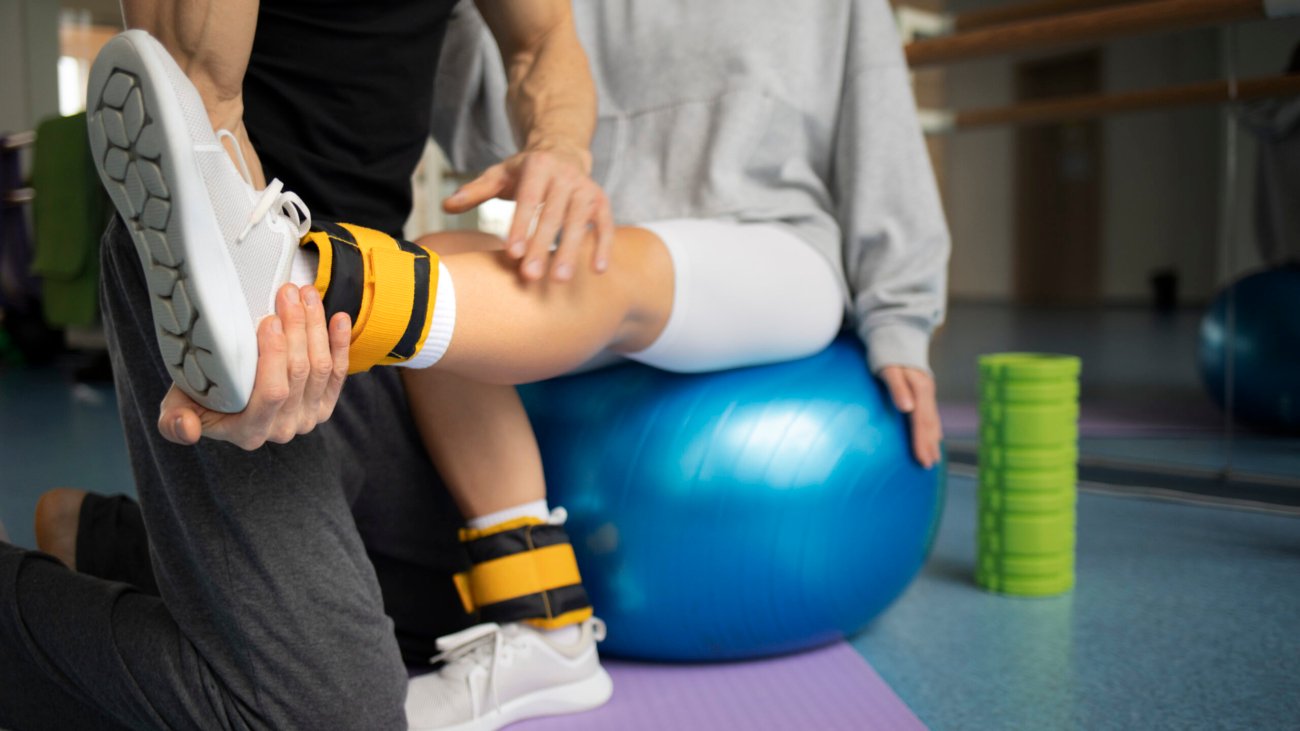
Sports injury rehabilitation through physiotherapy plays a crucial role in helping individuals recover safely, regain strength, and return to activity without risking re-injury. In this blog, we’ll explore common sports injuries, how physiotherapy supports recovery, and why professional rehabilitation is essential—especially if you’re seeking expert care in Mississauga.
Understanding Sports Injuries
Sports injuries can occur due to sudden trauma, repetitive stress, improper technique, or inadequate warm-up. They may affect muscles, joints, ligaments, tendons, or bones.
Common Types of Sports Injuries
1. Muscle Strains
Overstretching or tearing of muscles, commonly affecting the hamstrings, quadriceps, or calves.
2. Ligament Sprains
Injuries to ligaments such as the ACL, MCL, or ankle ligaments caused by sudden twists or impacts.
3. Tendon Injuries
Tendonitis or tendinopathy from overuse, often seen in the Achilles tendon or rotator cuff.
4. Joint Injuries
Includes shoulder dislocations, knee injuries, and ankle instability.
5. Stress Fractures
Small cracks in bones caused by repetitive force or overuse, common among runners.
Why Physiotherapy Is Essential for Sports Injury Recovery
Many people attempt to “push through” injuries, which often worsens the condition. Physiotherapy focuses on safe, structured recovery and long-term prevention.
Key Benefits of Sports Physiotherapy
- Reduces pain and inflammation
- Restores mobility and flexibility
- Improves strength and endurance
- Prevents re-injury
- Enhances athletic performance
Physiotherapy treats not just the injury, but the underlying cause, ensuring complete recovery.
The Phases of Sports Injury Rehabilitation
Phase 1: Acute Injury Management
The initial focus is pain relief and inflammation control. Treatment may include:
- Ice or heat therapy
- Manual therapy
- Gentle mobility exercises
- Education on activity modification
Phase 2: Restoration of Movement
Once pain decreases, physiotherapy focuses on restoring:
- Range of motion
- Muscle flexibility
- Joint stability
Controlled movements prevent stiffness and muscle weakness.
Phase 3: Strength and Conditioning
Targeted exercises help rebuild muscle strength and endurance, especially in injured or weakened areas.
Phase 4: Functional Training
This phase prepares the body for sport-specific movements such as running, jumping, or lifting.
Phase 5: Return to Sport
A gradual return-to-play plan ensures safety, confidence, and optimal performance.
Common Sports Injuries Treated with Physiotherapy
Knee Injuries
Including ACL tears, meniscus injuries, and patellar pain. Physiotherapy improves strength, stability, and alignment.
Shoulder Injuries
Common in sports like tennis, swimming, and weightlifting. Rehab focuses on mobility, rotator cuff strength, and posture.
Ankle Sprains
Physiotherapy restores balance, prevents chronic instability, and reduces re-injury risk.
Back Injuries
Lower back pain from sports activities is treated through core strengthening and posture correction.
Sports Physiotherapy for Different Athletes
Recreational Athletes
Physiotherapy helps manage minor injuries and prevent long-term issues caused by improper training.
Amateur and Competitive Athletes
Focused rehabilitation supports performance improvement and faster recovery.
Youth Athletes
Physiotherapy ensures safe growth, correct movement patterns, and injury prevention.
Injury Prevention Through Physiotherapy
Prevention is just as important as recovery. A physiotherapist can identify risk factors such as muscle imbalances, poor flexibility, or improper technique.
Preventive strategies include:
- Warm-up and cool-down routines
- Strength and conditioning programs
- Movement analysis
- Posture correction
Why Choose Physiotherapy in Mississauga?
Choosing a trusted clinic ensures high-quality care and personalized rehabilitation programs.
At Rishaan Physio, patients benefit from:
- One-on-one physiotherapy sessions
- Experienced sports rehabilitation specialists
- Customized recovery plans
- Modern equipment and techniques
- A patient-focused approach
When Should You See a Sports Physiotherapist?
You should seek professional care if:
- Pain lasts more than a few days
- Swelling or instability persists
- You experience repeated injuries
- Performance declines due to discomfort
Early intervention speeds up recovery and prevents chronic problems.
Final Thoughts
Sports injuries don’t have to end your active lifestyle. With the right physiotherapy approach, you can recover safely, regain strength, and return to your sport with confidence.
Whether you’re a weekend runner or a competitive athlete, physiotherapy provides the tools needed for long-term performance and injury prevention.
📍 Looking for Sports Physiotherapy in Mississauga?
Book your appointment with Rishaan Physio today and take the first step toward a stronger, safer recovery.