
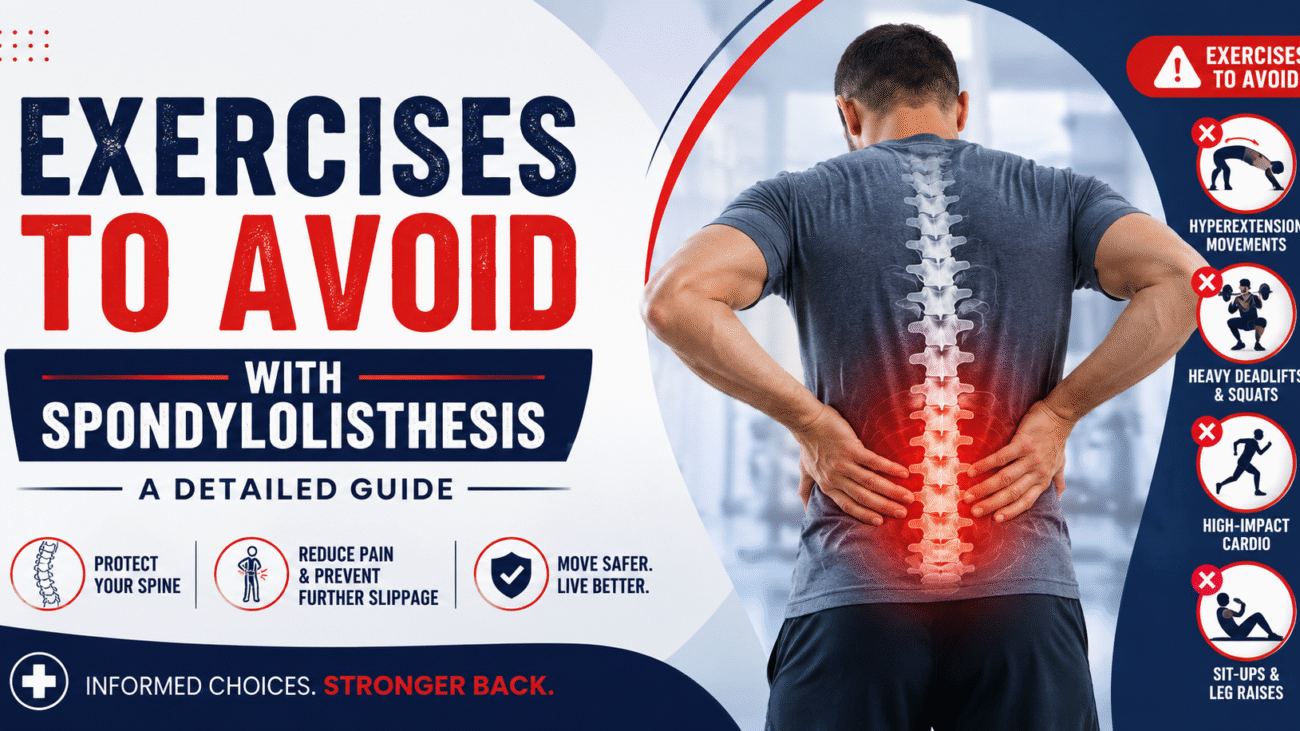
Exercises to Avoid with Spondylolisthesis A Detailed Guide

Exercises to Avoid with Spondylolisthesis: A Detailed Guide

If you’ve been diagnosed with spondylolisthesis in Mississauga or are currently receiving treatment for back pain, your physiotherapist has likely given you a list of movements to be careful about. But knowing exactly which exercises to avoid with spondylolisthesis — and why — can make a significant difference in your recovery and long-term spinal health.

At Rishaan Physio Wellness Clinic in Mississauga, we work with patients every day who are managing spondylolisthesis. This guide is designed to help you understand what’s happening in your spine, which movements can make things worse, and how targeted physiotherapy in Mississauga can help you get back to living pain-free.

What Is Spondylolisthesis?

Spondylolisthesis occurs when one vertebra in the spine slips forward over the vertebra below it. This slippage can place pressure on the spinal cord or nerve roots, causing pain, numbness, tingling, and weakness — particularly in the lower back and legs.

The condition is graded on a scale of I to IV based on how far the vertebra has slipped. Grade I and II are most common and are often manageable with conservative care, including physiotherapy, exercise modification, and in some cases, chiropractic care in Mississauga.

Common causes include degenerative disc changes (especially in adults over 40), sports-related stress fractures, trauma, or congenital spinal defects. Residents of Mississauga who sit for long hours at a desk or engage in high-impact sports are particularly vulnerable to developing or worsening this condition.

Why Exercise Modification Matters

Exercise is a double-edged sword with spondylolisthesis. The right exercises can strengthen the muscles that support your spine, reduce pain, and prevent further slippage. The wrong exercises, however, can increase shear forces on the vertebrae, irritate nerves, and accelerate degeneration.

Understanding which exercises to avoid — and replacing them with safer alternatives — is one of the first and most important steps in spondylolisthesis management. Our team at Rishaan Physio tailors every rehabilitation program to the individual, but there are general guidelines that apply to almost every spondylolisthesis patient.

Exercises to Avoid with Spondylolisthesis

1. Hyperextension Exercises

Extension-based movements — those that arch the lower back — are among the most dangerous for people with spondylolisthesis. These include:

  • McKenzie press-up extensions
  • Cobra pose (in yoga)
  • Standing backbends
  • Roman chair back extensions
  • Prone press-ups

Why are these harmful? When you hyperextend your lumbar spine, you compress the facet joints and increase the forward shear force on the already-slipped vertebra. For individuals with spondylolisthesis, this can aggravate symptoms significantly, causing acute pain flare-ups and potentially worsening the slip.

2. Heavy Deadlifts and Squats

While deadlifts and squats are excellent compound movements for general fitness, they load the lumbar spine under significant compressive force. For spondylolisthesis patients, especially those with higher-grade slips, heavy barbell deadlifts and back squats should be avoided entirely.

This doesn’t mean you can never perform lower body strengthening — it means you need to modify. Lighter, controlled movements with proper spinal alignment, such as wall sits or box squats with minimal load, may be appropriate under physiotherapist guidance. However, until your spine is stabilised, heavy axial loading is a major risk.

3. High-Impact Cardio

Running, jumping, and plyometric exercises transmit repetitive impact forces through the spine. For someone with vertebral slippage, this repetitive jarring can increase inflammation around the nerve roots and worsen the forward slip over time.

Exercises to avoid include:

  • Running on hard surfaces
  • Jump squats and box jumps
  • Burpees
  • Jump rope
  • High-intensity interval training (HIIT) involving jumping

Low-impact cardio options such as swimming, cycling (with proper posture), or walking on a treadmill at a gentle incline are far safer alternatives that still support cardiovascular health without stressing the vertebral joints. Our physiotherapy team in Mississauga can help identify which cardio options work best for your specific grade of spondylolisthesis.

4. Sit-Ups and Double Leg Raises

Traditional sit-ups involve a significant degree of hip flexor activation and spinal flexion, both of which can be problematic. When you perform a full sit-up, you create a “lever effect” that pulls on the lumbar vertebrae — this shear stress can exacerbate a spondylolisthesis slip.

Double leg raises are even more extreme — holding both legs straight and lowering them from a raised position dramatically increases lumbar lordosis and places severe stress on the L4-L5 or L5-S1 vertebrae, which are most commonly affected by spondylolisthesis.

Better alternatives include dead bugs, pelvic tilts, and supported abdominal work that engages the core without creating harmful spinal loads.

5. Heavy Overhead Pressing

Exercises that involve pressing heavy weights overhead — such as barbell overhead press, push press, or heavy dumbbell shoulder press — often cause people to inadvertently arch their lower back to generate force. This lumbar hyperextension, combined with axial loading, creates a compressive and shear force that is particularly harmful for spondylolisthesis patients.

If upper body strength training is important to you, lighter, supported alternatives such as seated cable rows or machine chest press (with back supported) are safer options to discuss with your Mississauga physiotherapist.

6. Rotational Exercises with Load

Rotational movements — especially under load — combine torsion (twisting) with shear forces that can destabilise the slipped vertebra. These exercises include:

  • Weighted Russian twists
  • Golf swings with full rotation
  • Loaded cable rotations
  • Twisting crunches

The lumbar spine has very limited natural rotation compared to the thoracic spine — forcing it through loaded rotation increases the risk of damaging already compromised disc tissue and facet joints. Gentle unloaded rotation with appropriate physiotherapist guidance may be introduced gradually once spinal stability improves.

7. Contact and Collision Sports

For younger patients in Mississauga who are active in sports like hockey, football, or rugby, it’s important to understand that contact sports carry a high risk of traumatic impact to an already unstable spine. Even a minor collision or fall could worsen vertebral slippage or cause acute nerve compression.

This doesn’t mean sport is off the table forever. With appropriate rehabilitation and graded return-to-sport protocols — developed with a physiotherapist experienced in sports injuries — many patients are able to return to modified activity over time. Our physiotherapy team at Rishaan Physio has helped many Mississauga athletes navigate a safe return to sport following spondylolisthesis treatment.

Warning Signs During Exercise

Even during exercises that have been approved by your physiotherapist, it’s crucial to watch for warning signs that may indicate the movement is too much for your current level of spinal stability:

  • Increased lower back pain during or after the exercise
  • Pain, tingling, or numbness radiating into the buttocks or legs
  • A sharp or catching sensation in the lower back
  • Loss of bladder or bowel control (seek emergency care immediately)
  • Worsening pain after rest that was previously helping

If you experience any of these symptoms, stop the exercise immediately and consult your physiotherapist. Continuing through pain with spondylolisthesis is never recommended and can lead to serious complications.

What You Should Be Doing Instead

The good news is that avoiding harmful exercises doesn’t mean sitting still. In fact, appropriate movement is one of the best treatments for spondylolisthesis. Evidence-based rehabilitation for this condition focuses on:

  • Core stabilisation exercises – Activating deep stabilising muscles (transversus abdominis, multifidus) to support the vertebral segment
  • Flexion-biased movements – Gentle pelvic tilts, knee-to-chest stretches, and lumbar flexion (which are often better tolerated than extension for spondylolisthesis)
  • Hip strengthening – Strengthening glutes and hip abductors to reduce the load transferred to the lumbar spine
  • Swimming and aquatic therapy – Buoyancy reduces spinal loading while allowing full-body conditioning
  • Walking – Gentle, consistent walking is one of the most effective and low-risk activities for managing chronic back conditions

These exercises form the foundation of the physiotherapy programs offered at Rishaan Physio for Mississauga residents with spondylolisthesis. Our registered physiotherapists design a progressive program that safely builds your strength and flexibility without risking further injury.

The Role of Physiotherapy in Spondylolisthesis Management in Mississauga

Physiotherapy is considered the gold standard first-line treatment for Grade I and II spondylolisthesis. A comprehensive physiotherapy program addresses pain management, movement correction, exercise prescription, posture education, and functional goal-setting.

At Rishaan Physio in Mississauga, our approach to spondylolisthesis includes:

  • Initial assessment – Thorough evaluation of your specific grade of slippage, symptoms, functional limitations, and lifestyle
  • Manual therapy – Gentle hands-on techniques to relieve muscle tension around the spine and improve segmental mobility in non-affected areas
  • Tailored exercise prescription – A structured, progressive program of safe stabilisation and strengthening exercises
  • Education – Teaching you exactly which movements and positions to avoid in daily life and during exercise
  • Postural correction – Improving how you sit, stand, lift, and move to reduce stress on the affected vertebra

Many of our patients also benefit from complementary services such as registered massage therapy in Mississauga to address the chronic muscle tension that develops around an unstable spinal segment, or acupuncture in Mississauga for pain relief and nerve calming. In some cases, custom orthotics may also be recommended to correct biomechanical imbalances that contribute to lumbar stress.

If you’ve been dealing with persistent lower back pain, you may also find our article on Why Lower Back Pain Happens & How Physiotherapy Fixes It helpful for understanding the bigger picture of lumbar spinal health.

When to Seek Immediate Care

While most cases of spondylolisthesis are managed conservatively, certain symptoms require urgent attention. Seek immediate medical care if you experience:

  • Sudden severe back pain following an injury or fall
  • Progressive leg weakness or difficulty walking
  • Loss of bladder or bowel control
  • Numbness or tingling spreading bilaterally into both legs

These could indicate significant nerve compression or cauda equina syndrome, which requires emergency intervention. If you’re unsure whether your symptoms are serious, contact our Mississauga clinic and we can help triage your situation.

Book Your Spondylolisthesis Assessment in Mississauga

Living with spondylolisthesis in Mississauga doesn’t mean living in pain. With the right guidance, the right exercises, and a trusted physiotherapy team behind you, significant improvements in pain, mobility, and quality of life are absolutely achievable.

At Rishaan Physio Wellness Clinic, we’ve helped countless Mississauga residents recover from spinal conditions — from back pain treatment to post-surgical rehabilitation. Our clinic is conveniently located and open 7 days a week to fit your busy schedule.

Ready to take the first step toward a stronger, more stable spine? Contact Rishaan Physio today to book your assessment and get a personalised spondylolisthesis management plan that’s right for you.


Rishaan physio

What Is Physiotherapy? A Complete Guide to Pain Relief, Recovery, and Better Movement

Pain, stiffness, injuries, and limited movement can affect daily life more than people realize. Whether it’s back pain from long office hours, a sports injury, muscle tightness, joint discomfort, or recovery after surgery, physical pain can slowly impact your routine, confidence, and overall quality of life.

Many people try to ignore these problems or rely only on temporary solutions like painkillers and rest. While these methods may provide short-term relief, they often fail to address the root cause of the issue. This is where physiotherapy becomes an important part of recovery and long-term health.

Physiotherapy is a natural and effective healthcare treatment focused on improving movement, reducing pain, restoring physical function, and helping the body heal safely. It is widely recommended for people of all ages dealing with injuries, chronic pain, mobility issues, or physical weakness.

At Rishaan Physio, physiotherapy treatments are designed to help patients recover comfortably, improve mobility, and return to daily activities with confidence.

In this blog, we’ll explain what physiotherapy is, how it works, its benefits, the conditions it treats, and why it plays such an important role in pain relief and rehabilitation.


What Is Physiotherapy?

Physiotherapy is a healthcare treatment that focuses on restoring movement, improving physical strength, reducing pain, and supporting recovery from injuries or medical conditions.

Physiotherapists are trained healthcare professionals who assess how the body moves and identify problems affecting muscles, joints, nerves, posture, and mobility. Based on this assessment, they create personalized treatment plans designed to improve physical function and overall well-being.

Physiotherapy treatments may include:

  • Manual therapy
  • Stretching exercises
  • Strengthening exercises
  • Posture correction
  • Joint mobilization
  • Soft tissue therapy
  • Rehabilitation programs
  • Balance and coordination training
  • Pain management techniques

Unlike treatments that only focus on symptoms, physiotherapy works to treat the underlying cause of pain and movement problems.


How Does Physiotherapy Work?

Physiotherapy works by helping the body move correctly, heal naturally, and regain strength and flexibility over time.

When muscles, joints, or nerves are injured or strained, the body may develop:

  • Pain
  • Stiffness
  • Weakness
  • Reduced mobility
  • Poor posture
  • Muscle imbalance

A physiotherapist carefully evaluates these issues and creates a treatment plan based on the patient’s condition and recovery goals.

Treatment may involve:

  • Hands-on therapy to reduce stiffness
  • Exercises to strengthen weak muscles
  • Stretching to improve flexibility
  • Posture correction techniques
  • Movement training to prevent future injuries

The overall goal is to help patients move comfortably and safely again.


Benefits of Physiotherapy

Physiotherapy offers many physical and long-term health benefits for people of all ages.

Pain Relief

One of the biggest reasons people seek physiotherapy is pain management. Physiotherapy helps reduce pain naturally by improving movement, reducing muscle tension, and strengthening weak areas of the body.

It is commonly used for:

  • Back pain
  • Neck pain
  • Joint pain
  • Shoulder pain
  • Muscle stiffness
  • Sports injuries

Improved Mobility and Flexibility

Injuries, aging, poor posture, and inactivity can limit movement and flexibility. Physiotherapy exercises and manual therapy techniques help restore mobility and improve physical function.

This makes everyday activities like walking, sitting, climbing stairs, and lifting easier and more comfortable.


Faster Recovery After Injury

Physiotherapy supports healing after injuries by improving blood circulation, reducing inflammation, and helping muscles and joints recover safely.

Whether it’s a sports injury, workplace injury, or accident-related pain, physiotherapy can help speed up recovery while reducing the risk of further damage.


Prevents Future Injuries

Weak muscles, poor posture, and incorrect movement patterns often lead to recurring injuries. Physiotherapy helps improve body mechanics, strength, and balance to prevent future pain and strain.


Better Posture

Poor posture has become increasingly common due to desk jobs, mobile phone use, and long sitting hours. Physiotherapy helps correct posture and reduce the strain placed on muscles and joints.

Improved posture can help relieve:

  • Neck pain
  • Shoulder stiffness
  • Back pain
  • Headaches

Supports Long-Term Health

Physiotherapy is not only for injuries. Many people use physiotherapy to stay active, improve mobility, maintain joint health, and support overall physical wellness.


Common Conditions Treated with Physiotherapy

Physiotherapy can help treat a wide range of musculoskeletal and mobility-related conditions.

Back Pain

Lower back pain is one of the most common problems treated with physiotherapy. Muscle strain, poor posture, prolonged sitting, and lifting injuries often contribute to back pain.

Physiotherapy helps strengthen the back and core muscles while improving flexibility and posture.


Neck and Shoulder Pain

Long hours at a desk or using mobile devices can create tension in the neck and shoulders. Physiotherapy helps release tight muscles and restore proper movement.


Sports Injuries

Athletes and active individuals often experience:

  • Muscle strains
  • Sprains
  • Joint injuries
  • Tendon problems

Physiotherapy supports recovery and helps improve physical performance safely.


Arthritis and Joint Pain

Conditions like arthritis can cause stiffness and pain in joints. Physiotherapy exercises help maintain mobility and reduce discomfort.


Sciatica

Sciatica occurs when the sciatic nerve becomes irritated, causing pain that travels through the lower back and legs. Physiotherapy helps reduce pressure on the nerve and improve movement.


Post-Surgical Rehabilitation

After surgery, many patients experience weakness, stiffness, and limited movement. Physiotherapy helps restore strength and mobility safely during recovery.


Workplace Injuries

Desk jobs, repetitive movements, and physically demanding work can lead to muscle strain and joint pain. Physiotherapy helps workers recover and prevent recurring injuries.


Types of Physiotherapy Treatments

Physiotherapists use different treatment methods depending on the patient’s condition.

Manual Therapy

Hands-on techniques are used to improve joint mobility, reduce stiffness, and relieve muscle tension.


Exercise Therapy

Customized exercises help improve strength, flexibility, posture, and balance.


Soft Tissue Mobilization

This treatment focuses on reducing muscle tightness and improving soft tissue mobility through manual techniques.


Stretching Programs

Stretching exercises improve flexibility and help reduce stiffness.


Posture Correction

Physiotherapists help patients improve posture and body mechanics to prevent long-term pain.


Who Can Benefit from Physiotherapy?

Physiotherapy is suitable for people of all ages and lifestyles.

Office Workers

People who sit for long hours often experience:

  • Back pain
  • Neck stiffness
  • Shoulder tension
  • Poor posture

Physiotherapy helps reduce strain caused by desk work and improve posture.


Athletes

Athletes use physiotherapy for:

  • Injury prevention
  • Recovery
  • Mobility improvement
  • Performance support

Seniors

As people age, maintaining strength and balance becomes important. Physiotherapy helps seniors stay active and independent.


Post-Surgery Patients

Rehabilitation programs help patients regain movement and strength after surgery.


Individuals with Chronic Pain

People dealing with long-term pain conditions benefit from physiotherapy’s natural and personalized approach.


What Happens During a Physiotherapy Session?

If you’ve never visited a physiotherapy clinic before, it’s normal to feel unsure about the process.

A typical physiotherapy appointment usually includes:

Initial Assessment

The physiotherapist will ask about:

  • Your pain or symptoms
  • Medical history
  • Lifestyle and activity levels
  • Movement limitations

Physical Examination

Your posture, strength, flexibility, mobility, and movement patterns will be assessed carefully.


Personalized Treatment Plan

Based on your condition, a treatment plan will be created to help achieve your recovery goals.


Treatment Session

Treatment may involve:

  • Exercises
  • Stretching
  • Manual therapy
  • Mobility training
  • Pain management techniques

Home Exercise Guidance

Patients are often given exercises and recovery advice to continue at home between sessions.


Why Early Physiotherapy Matters

Ignoring pain may lead to worsening symptoms and longer recovery periods. Early physiotherapy treatment can help:

  • Reduce inflammation earlier
  • Prevent chronic pain
  • Improve healing speed
  • Restore movement before stiffness worsens
  • Lower the risk of future injuries

Seeking professional care early often leads to better long-term results.


Mental and Emotional Benefits of Physiotherapy

Physical discomfort can affect mental well-being too. Chronic pain often contributes to:

  • Stress
  • Frustration
  • Poor sleep
  • Reduced confidence in movement

As patients regain mobility and reduce pain through physiotherapy, they often experience:

  • Better sleep quality
  • Increased confidence
  • Reduced stress
  • Improved daily comfort
  • Better overall mood

Being able to move freely again can positively impact both physical and emotional health.


Why Choose Rishaan Physio?

Choosing the right physiotherapy clinic is an important part of recovery.

At Rishaan Physio, treatment plans are personalized to each patient’s needs and goals. The clinic focuses on helping patients recover safely while improving mobility, strength, and overall wellness.

Patients receive support for:

  • Pain relief
  • Injury recovery
  • Mobility improvement
  • Rehabilitation
  • Posture correction
  • Long-term physical wellness

The goal is not only to reduce pain but also to help patients return to their daily lives comfortably and confidently.


Tips to Support Physiotherapy Recovery

To get the best results from physiotherapy, it’s important to maintain healthy habits.

Stay Consistent

Regular treatment sessions and exercises improve recovery outcomes.


Keep Moving

Gentle movement and stretching help prevent stiffness.


Follow Home Exercises

Home exercises strengthen muscles and support long-term improvement.


Maintain Good Posture

Proper posture reduces unnecessary strain on the body.


Stay Active

Physical activity supports circulation, flexibility, and overall health.


Conclusion

Physiotherapy is much more than a treatment for injuries. It is a natural and effective healthcare approach that helps reduce pain, improve movement, restore strength, and support long-term physical wellness.

Whether you are recovering from an injury, managing chronic pain, improving posture, or looking to move more comfortably, physiotherapy can help improve your quality of life significantly.

At Rishaan Physio, personalized physiotherapy care is designed to help patients feel stronger, move better, and recover with confidence.

Taking care of pain early and seeking professional physiotherapy support can help prevent future problems and keep you active for years to come.


Frequently Asked Questions (FAQs)

What is physiotherapy used for?

Physiotherapy is used to reduce pain, improve mobility, restore strength, support injury recovery, and improve physical function.


Is physiotherapy painful?

Most physiotherapy treatments are gentle and manageable. Some exercises or manual therapy techniques may cause mild discomfort during recovery, but treatments are designed to improve movement safely.


How many physiotherapy sessions will I need?

The number of sessions depends on your condition, pain level, and recovery goals. Some patients improve quickly, while others may require ongoing rehabilitation.


Can physiotherapy help with posture problems?

Yes. Physiotherapy helps improve posture through exercises, stretching, and movement correction techniques.


Is physiotherapy only for injuries?

No. Physiotherapy is also used for pain management, mobility improvement, rehabilitation, posture correction, and overall wellness.


Can seniors benefit from physiotherapy?

Absolutely. Physiotherapy helps seniors improve balance, flexibility, mobility, and strength while reducing the risk of falls and stiffness.


What should I wear to a physiotherapy appointment?

Wear comfortable clothing that allows easy movement and access to the area being treated.


Does physiotherapy help prevent future injuries?

Yes. Physiotherapy improves strength, flexibility, balance, and posture to reduce the risk of future injuries.

rishaan blog

Back Pain Physiotherapy Near Me: Find the Right Treatment Nearby

Back pain is something most people experience at some point in their lives. Whether it starts with long hours at a desk, poor posture, or an injury, it can slowly affect your daily routine. Simple tasks like sitting, walking, or even sleeping can become uncomfortable.

If you’ve been searching for “back pain physiotherapy near me in Mississauga,” you’re likely looking for a reliable and long-term solution. Physiotherapy is one of the most effective ways to treat back pain without depending on medication or surgery.

At Rishaan Physio & Wellness,
patients receive personalized care focused on real recovery, not just temporary relief.


Understanding Back Pain: What’s Really Causing It?

Back pain is not always the result of a serious injury. In many cases, it develops gradually due to daily habits and lifestyle.

Common causes include:

  • Sitting for long hours with poor posture
  • Lack of physical activity
  • Muscle strain from sudden movements
  • Weak core muscles
  • Herniated or slipped disc
  • Sciatica or nerve compression
  • Improper lifting techniques

Most people ignore early signs like stiffness or mild discomfort. Over time, this can turn into chronic pain that becomes harder to treat.


Why Physiotherapy Can Help with Back Pain

When dealing with back pain, many people rely on painkillers. While they may provide short-term relief, they do not solve the actual problem.

Physiotherapy takes a different approach. It focuses on treating the root cause and improving your body’s strength and movement.

Targets the Root Cause

A physiotherapist identifies what is causing your pain, whether it’s posture, muscle imbalance, or nerve issues.

Drug-Free Treatment

You don’t have to depend on medication. Treatment is based on exercises and physical techniques.

Long-Term Results

Physiotherapy helps prevent pain from coming back by strengthening your muscles and improving posture.

Improves Daily Function

You can sit, stand, and move comfortably again without constant discomfort.


When Should You See a Physiotherapist?

If you are unsure whether you need treatment, here are some clear signs:

  • Back pain lasting more than a week
  • Difficulty sitting or standing for long periods
  • Stiffness in the lower back
  • Pain spreading to legs or hips
  • Tingling or numbness
  • Repeated episodes of back pain

If you notice these symptoms, it’s time to search for a trusted physiotherapy clinic near you in Mississauga.


What Happens During a Physiotherapy Session?

Visiting a physiotherapy clinic for the first time can feel unfamiliar, but the process is simple and focused on your comfort.

1. Detailed Assessment

Your physiotherapist will understand your pain, lifestyle, and daily habits. They will assess your posture, flexibility, and movement.

2. Diagnosis

The root cause of your pain is identified.

3. Personalized Treatment Plan

Your treatment may include:

  • Massage therapy
  • Stretching and strengthening exercises
  • Posture correction techniques

4. Home Exercise Plan

You will also be guided on exercises you can do at home to support recovery.


Types of Physiotherapy Treatments for Back Pain

Different patients require different treatments depending on their condition.

Massage Therapy

Hands-on techniques to reduce stiffness and improve mobility.

Exercise Therapy

Strengthening exercises to support your spine and improve flexibility.

Posture Correction

Teaches proper sitting and standing habits to prevent future pain.

Functional Training

Focuses on helping you return to daily activities without discomfort.


Benefits of Choosing a Physiotherapy Clinic Near You in Mississauga

Searching for “back pain physiotherapy near me” is not just about convenience. It plays an important role in your recovery.

Easy Access to Treatment

A nearby clinic makes it easier to attend regular sessions.

Better Consistency

Regular visits are important for faster and effective recovery.

Immediate Support

You can quickly consult your physiotherapist if your pain increases.

Home Physiotherapy Options

Many clinics offer home visits for added comfort and convenience.


How to Choose the Right Physiotherapy Clinic in Mississauga

Choosing the right clinic can make a big difference in your recovery.

Here’s what you should look for:

  • Experienced and qualified physiotherapists
  • Personalized treatment approach
  • Positive patient reviews
  • Clean and professional environment
  • Modern equipment and techniques
  • Clear communication and guidance

At Rishaan Physio & Wellness, the focus is always on patient-centered care, ensuring every treatment plan is tailored to individual needs.


Daily Habits to Prevent Back Pain

Preventing back pain is just as important as treating it.

Here are some simple habits you can follow:

  • Maintain proper posture while sitting
  • Take breaks during long working hours
  • Keep your screen at eye level
  • Exercise regularly
  • Strengthen your core muscles
  • Avoid lifting heavy objects incorrectly
  • Use a supportive chair and mattress

These small changes can significantly improve your spinal health.


When to Seek Immediate Help

Some symptoms should not be ignored and require immediate attention:

  • Severe pain after an accident
  • Numbness or weakness in legs
  • Difficulty walking
  • Loss of movement
  • Pain affecting daily life

In such cases, visiting a physiotherapy clinic immediately is important.


Why Choose Rishaan Physio & Wellness?

If you are looking for back pain physiotherapy near you in Mississauga, choosing the right clinic is essential.

Rishaan Physio & Wellness offers:

  • Personalized treatment plans
  • Experienced professionals
  • Physiotherapy techniques
  • Focus on long-term recovery
  • Comfortable and patient-friendly environment

Address:
Unit No 7 – 5105 Hurontario Street
Mississauga, ON L4Z 0C9

With the right care and guidance, recovery becomes faster and more effective.


Conclusion

Back pain may seem like a common issue, but it should never be ignored. What starts as mild discomfort can turn into a serious condition if left untreated.

Physiotherapy provides a safe and effective solution by treating the root cause of the pain. It helps improve strength, posture, and overall quality of life.

If you’ve been searching for “back pain physiotherapy near me in Mississauga,” now is the time to take action. Early treatment leads to faster recovery and long-term relief.


Frequently Asked Questions (FAQs)

1. How many physiotherapy sessions are needed for back pain?

It depends on your condition. Mild pain may improve in a few sessions, while chronic pain may require several weeks.

2. Is physiotherapy better than medication?

Yes, physiotherapy treats the root cause, while medication only provides temporary relief.

3. Can I do exercises at home?

Yes, but it is important to learn the correct technique from a physiotherapist first.

4. Is physiotherapy safe for all age groups?

Yes, it is safe and effective for people of all ages.

5. Do I need a doctor’s referral?

No, you can directly visit a physiotherapy clinic.

6. How soon can I see results?

Some patients feel relief within a few sessions, but full recovery depends on consistency.

7. Is physiotherapy expensive in Mississauga?

Costs vary, but it is generally affordable compared to long-term medication or surgery.

ChatGPT Image Feb 20, 2026, 02_59_50 PM

Natural Pain Relief Options: Why Choose Chiropractic Therapy?

Pain has become a part of modern life. Long working hours, poor posture, stress, lack of movement, and injuries all contribute to back pain, neck stiffness, headaches, and joint discomfort. Many people rely on painkillers for quick relief, but medication only masks the symptoms. It does not fix the root cause.

If you are looking for a safer, long-term solution, chiropractic therapy is one of the most effective natural pain relief options available today.

In this blog, we will explore how chiropractic care works, what conditions it treats, and why more people are choosing it over temporary fixes.


Understanding Natural Pain Relief

Natural pain relief focuses on treating the body without relying on medication or invasive procedures. Instead of covering up pain, it works to correct the underlying issue.

Common natural pain relief methods include:

  • Chiropractic therapy
  • Physiotherapy
  • Massage therapy
  • Exercise rehabilitation
  • Posture correction
  • Lifestyle modifications

Among these, chiropractic therapy stands out because it directly addresses spinal alignment and nervous system function, which play a major role in pain.


What Is Chiropractic Therapy?

Chiropractic therapy is a hands-on treatment focused on diagnosing and correcting musculoskeletal issues, especially related to the spine.

The spine protects the nervous system. When it becomes misaligned due to poor posture, injury, stress, or repetitive strain, it can create pressure on nerves. This leads to pain, stiffness, reduced mobility, and even headaches.

A chiropractor uses controlled, precise spinal adjustments to restore proper alignment. These adjustments help reduce nerve irritation, improve movement, and promote natural healing.


Why Painkillers Are Not a Long-Term Solution

Pain medications can provide temporary relief, but they come with limitations:

  • They do not fix structural problems
  • Pain often returns once medication wears off
  • Long-term use can cause side effects
  • Dependency risks increase with regular use

Chiropractic therapy focuses on correcting the source of pain rather than suppressing it. This makes it a safer and more sustainable solution.


How Chiropractic Therapy Provides Natural Pain Relief

Chiropractic care works in several ways:

1. Restores Spinal Alignment

Misalignment in the spine can create muscle tension and nerve irritation. Adjustments restore balance and reduce strain on surrounding tissues.

2. Reduces Inflammation

When joints move properly, inflammation decreases naturally, leading to pain relief.

3. Improves Nervous System Function

A properly aligned spine allows better communication between the brain and body, improving overall function.

4. Enhances Mobility

Stiff joints limit movement and cause discomfort. Chiropractic adjustments improve flexibility and range of motion.

5. Supports Natural Healing

The body has the ability to heal itself. Chiropractic care removes interference so healing can happen more efficiently.


Conditions Treated with Chiropractic Therapy

Chiropractic therapy is widely used for many common conditions:

Back Pain

Lower back pain is one of the leading reasons people seek chiropractic care. Spinal adjustments reduce pressure on nerves and improve posture.

Neck Pain

Long hours on phones and laptops lead to “tech neck.” Chiropractic treatment helps correct alignment and relieve tension.

Headaches and Migraines

Tension headaches often start from neck stiffness. Adjustments reduce muscle tension and improve blood flow.

Sciatica

Sciatica occurs when the sciatic nerve is irritated. Chiropractic therapy helps relieve nerve pressure.

Shoulder and Joint Pain

Joint misalignment affects surrounding muscles. Treatment restores proper joint mechanics.

Sports Injuries

Athletes use chiropractic care to recover faster and prevent future injuries.


Chiropractic Therapy vs Other Natural Treatments

Many people ask how chiropractic therapy compares to other options.

Chiropractic vs Physiotherapy

Physiotherapy focuses on strengthening muscles and rehabilitation exercises. Chiropractic therapy focuses more on spinal alignment and joint adjustments. In many cases, combining both provides effective results.

Chiropractic vs Massage Therapy

Massage therapy relaxes muscles and improves circulation. Chiropractic care corrects structural alignment. Massage offers temporary relief, while chiropractic works on the root cause.


Benefits of Choosing Chiropractic Therapy

Here are some key advantages:

Drug-Free Treatment

No medication required. Safe and natural.

Non-Invasive

No surgery, no injections.

Personalized Care

Treatment plans are tailored to individual needs.

Long-Term Results

Instead of short-term relief, chiropractic therapy aims for lasting improvement.

Improved Posture

Better spinal alignment leads to better posture and reduced strain.

Enhanced Overall Wellness

Many patients report better sleep, improved mobility, and increased energy levels.


What to Expect During a Chiropractic Session

If you are new to chiropractic therapy, here is what typically happens:

  1. Detailed consultation and medical history
  2. Physical examination and posture analysis
  3. Identification of problem areas
  4. Customized treatment plan
  5. Gentle spinal adjustments

Some patients feel immediate relief. Others notice gradual improvement over multiple sessions.

Mild soreness after an adjustment is normal and usually resolves within a day.


Is Chiropractic Therapy Safe?

Yes, chiropractic therapy is considered safe when performed by a licensed and trained professional. It is widely practiced around the world and supported by clinical research for treating back and neck pain.

However, it is important to consult a qualified chiropractor who performs proper assessment before beginning treatment.


Who Should Consider Chiropractic Therapy?

You may benefit from chiropractic therapy if you:

  • Experience chronic back or neck pain
  • Have frequent headaches
  • Sit for long hours daily
  • Have posture-related discomfort
  • Want a drug-free pain relief option
  • Are you recovering from a sports or accident injury

Early treatment often leads to faster recovery and prevents long-term complications.


Lifestyle Tips to Support Natural Pain Relief

Chiropractic therapy works well when combined with healthy habits:

  • Maintain good posture while sitting and standing
  • Stay physically active
  • Strengthen core muscles
  • Take regular breaks from screens
  • Stay hydrated
  • Follow ergonomic workstation setup

Your chiropractor may also recommend specific exercises to maintain alignment.


Why More People Are Choosing Chiropractic Therapy

Modern lifestyles create constant stress on the spine. More people are now looking for natural and holistic approaches to health.

Chiropractic therapy offers:

  • A root-cause approach
  • Long-term pain management
  • Improved mobility
  • Reduced dependence on medication
  • A proactive approach to spinal health

Instead of waiting for pain to worsen, people are choosing regular spinal checkups to maintain wellness.


Final Thoughts

Pain should not be accepted as a normal part of life. While medications may provide temporary comfort, they do not address the structural issues causing discomfort.

Chiropractic therapy offers a natural, safe, and effective solution for managing pain and improving overall health. By restoring spinal alignment and supporting the nervous system, it helps your body function the way it was designed to.

If you are searching for natural pain relief options, chiropractic therapy could be the right choice for you. A proper evaluation with a qualified chiropractor can help you understand the cause of your pain and start your journey toward lasting relief.

Your body deserves care that heals, not just hides the symptoms.

unnamed

Is Acupuncture Safe? Myths and Facts Explained

Acupuncture has become a key part of modern pain management and rehabilitation. Many physiotherapy clinics, wellness centers and integrative healthcare practices use it to help patients manage chronic pain, improve mobility and reduce stress. Even with its growing acceptance in medical settings, many people are still unsure about how safe it really is. Questions about needles, hygiene, side effects and clinical effectiveness often hold patients back from trying it.

This guide provides a clear, evidence informed explanation based on healthcare standards. It also highlights how Acupuncture Therapy in Mississauga is used safely and professionally to support recovery and long term wellness.


What Exactly Is Acupuncture? A Clinical Breakdown

Acupuncture is a therapeutic procedure where very fine, sterile needles are inserted at precise anatomical points on the body. Each point influences nerves, muscles, connective tissue and the body’s internal regulation systems. In a medical context, acupuncture is used to:

  • Reduce muscle tension
  • Improve blood circulation
  • Modulate pain pathways
  • Lower stress responses
  • Reduce inflammation
  • Support natural healing

Traditional Chinese Medicine views these points as part of an energy network. Modern healthcare explains the same effects through neurophysiology and musculoskeletal regulation.

Clinics providing Acupuncture Therapy in Mississauga commonly use it for:

Acupuncture is rarely used as a standalone treatment in modern clinics. Instead, it complements physiotherapy, exercise therapy and manual therapy for better long term results.


Is Acupuncture Safe? What Healthcare Evidence Says

Acupuncture is considered a safe, low risk treatment when performed by trained and certified practitioners who follow standard clinical protocols. Worldwide healthcare organizations including the WHO and several national health boards recognize acupuncture as safe when performed correctly.

The three main pillars of safety include:

1. Clinical training and certification

A qualified practitioner understands anatomy, nerve pathways, safe needle depth and correct point selection. This prevents complications and ensures a therapeutic response.

2. Sterile and single use needles

All professional clinics use pre-packaged, disposable needles. The risk of contamination or infection is extremely low.

3. Strict hygiene and clean needle technique

Skin is cleaned before inserting needles. All needles are disposed of immediately after use.

Because of these standards, professional clinics offering Acupuncture Therapy in Mississauga maintain a strong safety record and treat a wide range of patients daily.


Common Myths About Acupuncture and the Clinical Facts

Misinformation often creates fear. Here are the most common myths patients bring up, along with the facts used in healthcare practice.


Myth 1: Acupuncture is painful

Many people associate needles with injections, but acupuncture needles are much thinner. Most patients describe the sensation as:

  • A light tap
  • Mild tingling
  • Warmth
  • Pressure

Some feel nothing at all. Once the needles are placed, patients usually relax deeply. Many even fall asleep during sessions.


Myth 2: Acupuncture causes infections

Infection risk is almost zero in medical settings. Clinics follow strict sterilization protocols, including:

  • Disposable needles
  • Skin cleaning with alcohol
  • Hygienic treatment rooms

Any risk usually comes from untrained or non-certified practitioners. Professional clinics maintain high sanitation standards.


Myth 3: Acupuncture can damage organs

Certified practitioners insert needles only to safe depths. They understand where bones, organs and sensitive structures are located. Most needle insertions affect only the superficial muscle layer. Injury risk is extremely rare in trained hands.


Myth 4: Acupuncture works only as a placebo

Scientific studies show several measurable responses:

  • Endorphin release
  • Relaxation of muscle tissue
  • Reduction in inflammation markers
  • Improved blood flow
  • Changes in nerve activity

These physiological changes demonstrate that acupuncture has real biological effects.


Myth 5: Acupuncture isn’t suitable for older adults

Older adults often benefit the most. It helps ease:

  • Osteoarthritis
  • Joint stiffness
  • Chronic muscle tightness
  • Sleep problems

Sessions can be adapted to be gentler and shorter to ensure comfort.


Why Acupuncture Therapy in Mississauga Is Gaining Popularity

Many clinics in Mississauga are integrating acupuncture with physiotherapy because it supports faster recovery. The city has a large working population that experiences:

  • Postural strain
  • Long sitting hours
  • Desk related back and neck pain
  • Stress and sleep difficulties

Acupuncture helps address these common issues by relaxing muscles, improving circulation and reducing tension. Patients in Mississauga prefer it because it works well alongside exercise therapy, chiropractic care and massage therapy. It is safe for most people, non invasive and does not interfere with medication.

By combining acupuncture with personalized rehabilitation programs, clinics offering Acupuncture Therapy in Mississauga help patients achieve better mobility and long term relief.


Clinical Safety Standards Followed in Acupuncture Treatment

Professional acupuncture follows healthcare-level protocols. These standards ensure safe practice for all age groups.


1. Disposable needles

Each needle comes in sterile packaging and is used only once.

2. Clean needle technique

Clinics clean the skin thoroughly before insertion. Treatment surfaces are sanitized and practitioners maintain strict hygiene.

3. Anatomical precision

Practitioners study detailed anatomy to:

  • Avoid nerves
  • Avoid blood vessels
  • Avoid sensitive structures
  • Insert at the correct depth

4. Controlled needle insertion

The process is gentle, slow and supervised. Practitioners monitor patient comfort throughout the session.

5. Patient screening and history review

A thorough pre-treatment assessment is done to ensure suitability.


Who Should Avoid or Take Precautions?

Acupuncture is safe for most people but some conditions need special care.


1. People with bleeding disorders or on blood thinners

Lighter and shallower techniques are used.

2. Pregnant individuals

Certain points are avoided, but acupuncture can help with nausea, lower back pain and sleep issues.

3. People with severe skin infections

Needling is avoided on infected or inflamed areas.

4. Patients with metal allergies

Alternative needle materials may be used.

5. Patients with pacemakers

Electro-acupuncture is avoided unless approved by a cardiologist.

Clinics offering Acupuncture Therapy in Mississauga always conduct a proper health assessment before beginning treatment.


What to Expect During a Standard Acupuncture Session

New patients often feel unsure because they don’t know what will happen. A standard session includes:


1. Comprehensive Assessment

Your practitioner reviews your medical history, symptoms, lifestyle habits and treatment goals.

2. Identification of Trigger Points

Therapists locate tight muscles, imbalance patterns and pain areas.

3. Needle Placement

The needles are inserted gently at selected points. You may feel mild pressure or tingling.

4. Relaxation Phase

You rest for 15 to 30 minutes while the needles do their work. This phase helps decrease stress hormones and relax the nervous system.

5. Removal

Needles are removed easily and painlessly.

6. Post Treatment Feelings

Most patients feel lighter, calmer and sometimes slightly sleepy after a session.


Clinical Benefits of Acupuncture Supported by Research

Acupuncture is not a miracle cure, but consistent research supports its benefits.


1. Pain Relief

Effective for:

  • Back pain
  • Neck stiffness
  • Sciatica
  • Osteoarthritis
  • Shoulder pain
  • Muscle knots and tension

2. Stress and Anxiety Reduction

It modulates the nervous system and reduces cortisol, the stress hormone.

3. Better Sleep

Many patients experience deeper and more consistent sleep patterns.

4. Improved Digestive Function

Helps regulate bloating, acidity and sluggish digestion.

5. Fewer Headaches and Migraines

Acupuncture reduces frequency and intensity of headache episodes.

6. Hormonal Balance Support

Useful for menstrual discomfort and menopause symptoms.

Clinics offering Acupuncture Therapy in Mississauga often see strong results when combining acupuncture with rehabilitation programs.


How to Choose a Qualified Acupuncture Practitioner

Choosing the right practitioner is essential for safety.

Look for:

  • Certification and formal training
  • Clean and organized treatment space
  • Transparent communication
  • Personalized treatment planning
  • Experience in treating your specific condition

A good practitioner listens carefully, explains clearly and ensures you understand the process before starting.


Final Conclusion: Is Acupuncture Safe?

Yes. Acupuncture is safe when performed by a trained and certified practitioner. Its risk level is low, its benefits are supported by research and it can be safely combined with physiotherapy and rehabilitation. Clinics providing Acupuncture Therapy in Mississauga follow strict hygiene, anatomical and clinical guidelines to ensure consistent and safe care.

Patients looking for a non invasive, drug free and supportive approach to pain and stress management can confidently include acupuncture as part of their wellness plan.

medium-shot-physiotherapist-checking-arm

Discover the Best Physiotherapy Clinic Near Me in Mississauga

If you’ve ever searched for a physiotherapy clinic near me, chances are you’re dealing with pain, stiffness, or limited mobility that’s affecting your daily life. Whether it’s chronic back pain, a sports injury, post-surgical rehabilitation, or work-related strain, physiotherapy plays a crucial role in restoring movement, reducing pain, and improving overall quality of life.

For residents of Mississauga, finding the right physiotherapy clinic can make all the difference between prolonged discomfort and a faster, sustainable recovery. With several clinics available, it’s important to choose one that offers experienced therapists, personalized treatment plans, and evidence-based care.
In this guide, we’ll help you understand what to look for in a physiotherapy clinic, the benefits of professional physiotherapy care, and why choosing the best physiotherapist in Mississauga can transform your recovery journey.

Why People Search for a “Physiotherapy Clinic Near Me”

The phrase physiotherapy clinic near me isn’t just a convenience-based search—it reflects an urgent need for accessible, professional care. Most patients prefer a clinic close to home or work so they can attend regular sessions without disrupting their routine.
Common reasons people seek physiotherapy include:

  • Persistent neck or back pain
  • Sports injuries and muscle strains
  • Post-operative rehabilitation
  • Joint pain and arthritis
  • Poor posture and mobility issues
  • Workplace or repetitive strain injuries]
  • Recovery after accidents or falls

Physiotherapy doesn’t just address symptoms—it focuses on identifying the root cause of pain and dysfunction, helping patients achieve long-term relief rather than temporary fixes.

Understanding Physiotherapy and Its Benefits

Physiotherapy is a science-based healthcare profession that focuses on movement, function, and physical well-being. Through a combination of manual therapy, targeted exercises, posture correction, and advanced modalities, physiotherapists help patients regain strength, flexibility, and confidence in movement.

Key Benefits of Physiotherapy

  • Pain Relief Without Medication

Physiotherapy uses natural, non-invasive techniques to reduce pain and inflammation.

  • Improved Mobility and Flexibility

Structured exercises restore joint and muscle function.

  • Faster Recovery from Injuries

Early intervention can significantly reduce recovery time.

  • Prevention of Future Injuries

Correcting movement patterns helps prevent recurring problems.

  • Enhanced Quality of Life

Patients can return to work, sports, and daily activities with confidence.

If you’re looking for physiotherapy Mississauga, choosing a clinic that focuses on holistic recovery rather than short-term relief is essential.

What Makes a Physiotherapy Clinic Truly “The Best”?

Not all clinics are created equal. When searching for the best physiotherapist in Mississauga, consider the following factors:

1. Qualified and Experienced Physiotherapists
A top clinic employs licensed physiotherapists with hands-on experience treating a wide range of conditions, from acute injuries to chronic pain.

2. Personalized Treatment Plans
Every body is different. The best clinics avoid one-size-fits-all treatments and instead create customized plans based on your condition, lifestyle, and goals.

3. Evidence-Based Techniques
Modern physiotherapy relies on proven methods such as manual therapy, therapeutic exercise, electrotherapy, and functional rehabilitation.

4. Patient-Centered Approach
A great physiotherapy clinic listens, educates, and involves patients in their recovery process.

5. Convenient Location and Flexible Appointments
When people search for a physiotherapy clinic near me, accessibility matters. Easy scheduling and a welcoming environment improve consistency and outcomes.

Physiotherapy in Mississauga: A Growing Need

Mississauga is a fast-growing city with a diverse population and an active lifestyle. From office professionals and athletes to seniors and post-surgical patients, the demand for high-quality physiotherapy services continues to rise.


With long working hours, sedentary lifestyles, and increased screen time, musculoskeletal issues such as neck pain, lower back pain, and posture-related discomfort have become increasingly common. This makes physiotherapy Mississauga services more important than ever.


Choosing a clinic that understands local needs and offers comprehensive care can help residents stay active and pain-free.

Conditions Treated at a Professional Physiotherapy Clinic
A reputable physiotherapy clinic treats a wide range of conditions, including:

  • Back and neck pain
  • Shoulder, knee, and hip injuries
  • Sports-related injuries
  • Sciatica and nerve pain
  • Post-surgical rehabilitation
  • Arthritis and joint stiffness
  • Muscle strains and ligament sprains
  • Postural imbalances
  • Mobility and balance issues

If you’re searching for the best physiotherapist in Mississauga, ensure the clinic has experience handling both simple and complex cases.

Why Choose Rishaan Physio?

When it comes to trusted physiotherapy care in Mississauga, Rishaan Physio stands out for its patient-focused approach and commitment to long-term recovery.

What Sets Rishaan Physio Apart?

Expert Physiotherapists

The clinic is staffed by skilled professionals who focus on accurate diagnosis and effective treatment.

Customized Treatment Programs

Every patient receives a personalized plan tailored to their condition and recovery goals.

Modern Techniques and Hands-On Care

A combination of manual therapy, corrective exercises, and advanced physiotherapy techniques ensures optimal results.

    Holistic Recovery Approach

    Beyond pain relief, the focus is on restoring function, preventing recurrence, and improving overall movement quality.

    Convenient Location in Mississauga

    Ideal for anyone searching for a reliable physiotherapy clinic near me.

    For those seeking professional and compassionate physiotherapy Mississauga services, Rishaan Physio offers a balanced blend of expertise, care, and results.
    👉 Learn more or book an appointment at: https://rishaanphysio.com/

    How to Know When You Need Physiotherapy

    Many people delay physiotherapy, hoping pain will resolve on its own. However, early treatment often leads to better and faster outcomes.

    You may benefit from visiting a physiotherapy clinic if:

    • Pain persists for more than a few days
    • Movement feels restricted or painful
    • You’ve had surgery or an injury
    • Pain interferes with work or daily activities
    • You experience recurring stiffness or weakness

    Searching for the best physiotherapist in Mississauga early can help prevent minor issues from becoming long-term problems.

    The Role of Physiotherapy in Long-Term Health

    Physiotherapy isn’t only about recovery—it’s also about prevention and performance. Regular physiotherapy can help improve posture, increase strength, and enhance overall physical resilience.
    For athletes, it improves performance and reduces injury risk. For working professionals, it helps manage posture-related strain. For seniors, it supports balance, mobility, and independence.
    This proactive approach is why more people are actively searching for physiotherapy clinic near me instead of waiting until pain becomes severe.

    Tips for Getting the Most Out of Your Physiotherapy Sessions
    To maximize your recovery:

    • Attend sessions consistently
    • Follow your home exercise program
    • Communicate openly about pain or discomfort
    • Maintain good posture and ergonomics
    • Stay active within recommended limits

    A collaborative relationship with your physiotherapist plays a key role in successful outcomes.

    Final Thoughts: Finding the Right Physiotherapy Clinic Near You

    Choosing the right physiotherapy clinic is an important step toward pain-free movement and a healthier lifestyle. Whether you’re recovering from an injury, managing chronic pain, or aiming to improve mobility, professional physiotherapy care can make a lasting difference.

    If you’re searching for a physiotherapy clinic near me, looking for trusted physiotherapy Mississauga services, or want care from the best physiotherapist in Mississauga, selecting a clinic that prioritizes personalized treatment and patient education is essential.

    With experienced therapists, customized care plans, and a strong focus on recovery and prevention, Rishaan Physio is a reliable choice for individuals seeking quality physiotherapy care in Mississauga.

    👉 Visit https://rishaanphysio.com/ to take the first step toward better movement, less pain, and a healthier life.

    chiropractor-3

    Pelvic Physiotherapy in Mississauga: Restoring Balance, Strength, and Confidence

    For many residents, the term “Physiotherapy” brings to mind images of recovering from a sports injury or managing chronic knee pain. However, there is a vital branch of healthcare that is often discussed in whispers, despite its profound impact on our quality of life: Pelvic Floor Physiotherapy.

    At our clinic, we believe that pelvic health is the foundation of overall well-being. Whether you are a new mother, an athlete, or a senior, finding the right Physiotherapy in Mississauga can be the turning point in your journey toward a pain-free, confident life.

    What Exactly is the Pelvic Floor?

    Think of your pelvic floor as a sturdy “hammock” of muscles, ligaments, and connective tissues spanning the bottom of your pelvis. It has several crucial jobs:

    1. Support: It holds your pelvic organs (bladder, uterus/prostate, and rectum) in place.
    2. Sphincteric: It gives you control over your bowel and bladder movements.
    3. Core Stability: It works in tandem with your deep abdominal and back muscles.
    4. Sexual Function: It plays a key role in sexual health and sensation.

    When these muscles become too weak (hypotonic) or too tight (hypertonic), it can lead to a cascade of issues that affect your movement and self-esteem.

    The Missing Link: Why Your Back Pain Might Be a Pelvic Issue

    Many patients come to us looking for the best physiotherapy exercises for back pain relief. While traditional spinal work is essential, we often find that the root cause lies lower.

    The pelvic floor is the “base” of your core. If this base is unstable, your lower back muscles have to overwork to compensate. This is why we often integrate pelvic assessments for patients struggling with low back pain caused by poor posture. By restoring balance to the pelvis, we often see a dramatic reduction in chronic spinal tension.

    Who Can Benefit from Pelvic Physiotherapy in Mississauga?

    1. Pre and Postnatal Care

    Pregnancy and childbirth are perhaps the most significant stresses the pelvic floor will ever face. Mississauga moms often deal with “Diastasis Recti” (abdominal separation) or incontinence after delivery. Pelvic rehab helps in safely returning to exercise and ensuring long-term internal support.

    2. Athletes and Fitness Enthusiasts

    Even the strongest athletes can have pelvic floor dysfunction. High-impact sports can sometimes lead to “stress incontinence” (leaking during a jump or run). Integrating pelvic health into sports injury rehabilitation ensures that your “internal bracing” is as strong as your external muscles.

    3. Seniors and Aging Gracefully

    Aging shouldn’t mean losing control. For our older population, physiotherapy for seniors often focuses on mobility and balance. However, pelvic physiotherapy is equally important to prevent “slips and falls” that can happen when rushing to the bathroom. Strengthening these muscles provides the confidence to remain active in the community.


    Common Signs You Need Pelvic Rehab

    If you experience any of the following, it’s time to consult a professional:

    • Leaking urine when you cough, sneeze, or exercise.
    • A frequent or urgent need to rush to the bathroom.
    • Persistent pain in the pelvic region, sacroiliac (SI) joint, or lower back.
    • A feeling of “heaviness” or pressure in the pelvic area (Pelvic Organ Prolapse).
    • Pain during intimate moments or pelvic exams.

    How Pelvic Physiotherapy Restores Confidence

    The “Confidence” part of our title isn’t just a buzzword. Pelvic issues often lead to social withdrawal—people stop going for walks at Celebration Square or avoid social gatherings because they fear an “accident.”

    Through Physiotherapy in Mississauga, we use evidence-based techniques like:

    • Manual Therapy: To release overly tight muscles.
    • Biofeedback: To help you “see” how your muscles are contracting.
    • Corrective Exercises: Beyond just “Kegels” (which aren’t right for everyone!).
    • Behavioural Retraining: Learning how to manage fluid intake and bathroom habits.

    The Holistic Connection: Hip and Knee Health

    The body is a kinetic chain. We often see that managing chronic knee pain or hip stiffness involves checking the alignment of the pelvis. If your pelvis is tilted or weak, it changes how your femur (thigh bone) sits in the socket, putting uneven pressure on your knees. By addressing the “centre,” we often resolve pain that felt like it was just a joint issue.


    Choosing the Right Clinic in Mississauga

    With so many options available, you might wonder how to choose the right physiotherapy centre in Mississauga. When it comes to pelvic health, you need a clinic that prioritizes privacy, empathy, and specialized certification.

    At Rishaan, we understand that your first visit might feel intimidating. That’s why we’ve detailed what to expect during your first visit to a physiotherapy centre, ensuring you feel informed and comfortable from the moment you walk through our doors.


    Proactive Tips for Pelvic Health

    While professional guidance is key, you can start improving your health today:

    1. Stop “Just in Case” Peeing: Don’t go to the washroom unless your bladder is actually full; this retrains the brain-bladder connection.
    2. Breathe into your Belly: Deep diaphragmatic breathing naturally relaxes the pelvic floor.
    3. Watch Your Posture: Link your pelvic health to your spine by maintaining a neutral pelvis while sitting at your desk.

    Conclusion: Your Journey to Wellness

    Pelvic Physiotherapy is not just about “fixing a problem”—it’s about reclaiming your lifestyle. From playing with your grandkids to running a marathon, a strong and balanced pelvic floor is your secret weapon for longevity.

    If you are looking for expert Physiotherapy in Mississauga, don’t let silence hold you back. Let’s work together to restore your balance, strength, and most importantly, your confidence.

    sports injury rehabilitation

    Sports Injury Rehabilitation: How Physiotherapy Speeds Up Recovery

    Sports and physical activity are essential for maintaining a healthy lifestyle, but injuries are an unfortunate reality for athletes and active individuals. Whether you’re a professional athlete, a fitness enthusiast, or someone who enjoys recreational sports, injuries can disrupt your routine, limit mobility, and impact performance.

    Sports injury rehabilitation through physiotherapy plays a crucial role in helping individuals recover safely, regain strength, and return to activity without risking re-injury. In this blog, we’ll explore common sports injuries, how physiotherapy supports recovery, and why professional rehabilitation is essential—especially if you’re seeking expert care in Mississauga.


    Understanding Sports Injuries

    Sports injuries can occur due to sudden trauma, repetitive stress, improper technique, or inadequate warm-up. They may affect muscles, joints, ligaments, tendons, or bones.

    Common Types of Sports Injuries

    1. Muscle Strains

    Overstretching or tearing of muscles, commonly affecting the hamstrings, quadriceps, or calves.

    2. Ligament Sprains

    Injuries to ligaments such as the ACL, MCL, or ankle ligaments caused by sudden twists or impacts.

    3. Tendon Injuries

    Tendonitis or tendinopathy from overuse, often seen in the Achilles tendon or rotator cuff.

    4. Joint Injuries

    Includes shoulder dislocations, knee injuries, and ankle instability.

    5. Stress Fractures

    Small cracks in bones caused by repetitive force or overuse, common among runners.


    Why Physiotherapy Is Essential for Sports Injury Recovery

    Many people attempt to “push through” injuries, which often worsens the condition. Physiotherapy focuses on safe, structured recovery and long-term prevention.

    Key Benefits of Sports Physiotherapy

    • Reduces pain and inflammation
    • Restores mobility and flexibility
    • Improves strength and endurance
    • Prevents re-injury
    • Enhances athletic performance

    Physiotherapy treats not just the injury, but the underlying cause, ensuring complete recovery.


    The Phases of Sports Injury Rehabilitation

    Phase 1: Acute Injury Management

    The initial focus is pain relief and inflammation control. Treatment may include:

    Phase 2: Restoration of Movement

    Once pain decreases, physiotherapy focuses on restoring:

    • Range of motion
    • Muscle flexibility
    • Joint stability

    Controlled movements prevent stiffness and muscle weakness.

    Phase 3: Strength and Conditioning

    Targeted exercises help rebuild muscle strength and endurance, especially in injured or weakened areas.

    Phase 4: Functional Training

    This phase prepares the body for sport-specific movements such as running, jumping, or lifting.

    Phase 5: Return to Sport

    A gradual return-to-play plan ensures safety, confidence, and optimal performance.


    Common Sports Injuries Treated with Physiotherapy

    Knee Injuries

    Including ACL tears, meniscus injuries, and patellar pain. Physiotherapy improves strength, stability, and alignment.

    Shoulder Injuries

    Common in sports like tennis, swimming, and weightlifting. Rehab focuses on mobility, rotator cuff strength, and posture.

    Ankle Sprains

    Physiotherapy restores balance, prevents chronic instability, and reduces re-injury risk.

    Back Injuries

    Lower back pain from sports activities is treated through core strengthening and posture correction.


    Sports Physiotherapy for Different Athletes

    Recreational Athletes

    Physiotherapy helps manage minor injuries and prevent long-term issues caused by improper training.

    Amateur and Competitive Athletes

    Focused rehabilitation supports performance improvement and faster recovery.

    Youth Athletes

    Physiotherapy ensures safe growth, correct movement patterns, and injury prevention.


    Injury Prevention Through Physiotherapy

    Prevention is just as important as recovery. A physiotherapist can identify risk factors such as muscle imbalances, poor flexibility, or improper technique.

    Preventive strategies include:

    • Warm-up and cool-down routines
    • Strength and conditioning programs
    • Movement analysis
    • Posture correction

    Why Choose Physiotherapy in Mississauga?

    Choosing a trusted clinic ensures high-quality care and personalized rehabilitation programs.

    At Rishaan Physio, patients benefit from:

    • One-on-one physiotherapy sessions
    • Experienced sports rehabilitation specialists
    • Customized recovery plans
    • Modern equipment and techniques
    • A patient-focused approach

    When Should You See a Sports Physiotherapist?

    You should seek professional care if:

    • Pain lasts more than a few days
    • Swelling or instability persists
    • You experience repeated injuries
    • Performance declines due to discomfort

    Early intervention speeds up recovery and prevents chronic problems.


    Final Thoughts

    Sports injuries don’t have to end your active lifestyle. With the right physiotherapy approach, you can recover safely, regain strength, and return to your sport with confidence.

    Whether you’re a weekend runner or a competitive athlete, physiotherapy provides the tools needed for long-term performance and injury prevention.


    📍 Looking for Sports Physiotherapy in Mississauga?

    Book your appointment with Rishaan Physio today and take the first step toward a stronger, safer recovery.

    why-choose-image-3

    Physiotherapy for Seniors: Improving Mobility, Balance & Quality of Life

    As we age, our bodies naturally undergo changes that can affect strength, balance, flexibility, and overall mobility. For many seniors, daily activities such as walking, climbing stairs, or even standing for long periods may become challenging. However, aging does not have to mean loss of independence or constant discomfort.

    Physiotherapy for seniors plays a vital role in maintaining mobility, managing pain, and improving overall quality of life. With the right approach, seniors can stay active, confident, and independent well into their later years.

    In this blog, we explore how physiotherapy benefits seniors, common age-related conditions, and why professional physiotherapy care in Mississauga can make a life-changing difference.


    Why Physiotherapy Is Important for Seniors

    Aging brings natural changes such as reduced muscle mass, joint stiffness, slower reaction times, and decreased bone density. These changes increase the risk of falls, injuries, and chronic pain.

    Physiotherapy helps seniors by:

    • Improving balance and coordination
    • Strengthening muscles and joints
    • Reducing pain and stiffness
    • Enhancing mobility and flexibility
    • Preventing falls and injuries
    • Supporting recovery after surgery or illness

    Unlike medication, physiotherapy addresses the root cause of physical limitations rather than just masking symptoms.


    Common Conditions Treated with Physiotherapy in Seniors

    1. Arthritis and Joint Pain

    Osteoarthritis is one of the most common conditions among seniors. It causes joint pain, stiffness, and reduced range of motion, especially in the knees, hips, and hands.

    Physiotherapy helps by:

    • Reducing inflammation
    • Improving joint mobility
    • Strengthening surrounding muscles
    • Teaching joint-protection techniques

    2. Balance Disorders and Fall Prevention

    Falls are one of the leading causes of injury among older adults. Poor balance, muscle weakness, and vision changes increase fall risk.

    Physiotherapy focuses on:

    • Balance training
    • Core strengthening
    • Gait correction
    • Confidence-building movement strategies

    These exercises significantly reduce the risk of falls and improve overall stability.


    3. Post-Surgical Rehabilitation

    Many seniors undergo surgeries such as knee replacements, hip replacements, or spinal procedures. Physiotherapy is essential for safe and effective recovery.

    Rehabilitation helps:

    • Restore movement and flexibility
    • Reduce post-surgical pain and swelling
    • Improve walking and daily function
    • Prevent complications

    4. Chronic Pain Management

    Chronic pain from conditions like arthritis, sciatica, or lower back pain can greatly affect quality of life.

    Physiotherapy offers:

    • Manual therapy techniques
    • Therapeutic exercises
    • Pain management education
    • Improved posture and movement patterns

    5. Neurological Conditions

    Seniors with conditions such as stroke, Parkinson’s disease, or neuropathy benefit greatly from physiotherapy focused on mobility and coordination.


    How Physiotherapy Improves Quality of Life for Seniors

    Improved Mobility and Independence

    Physiotherapy helps seniors maintain independence by making everyday tasks easier and safer.

    Enhanced Strength and Endurance

    Strength training tailored for seniors helps maintain muscle mass and prevents weakness-related injuries.

    Better Balance and Confidence

    Improved balance reduces fear of falling and encourages more active lifestyles.

    Pain Reduction Without Medication

    Non-invasive physiotherapy techniques reduce reliance on pain medication.

    Mental and Emotional Well-being

    Staying active boosts confidence, reduces anxiety, and improves overall mental health.


    What to Expect During a Senior Physiotherapy Session

    At a professional physiotherapy clinic in Mississauga, treatment begins with a detailed assessment, including:

    • Medical history review
    • Mobility and balance assessment
    • Strength and flexibility testing
    • Functional movement evaluation

    Based on this assessment, a personalized treatment plan is created.

    Common Treatment Techniques Include:

    • Gentle strengthening exercises
    • Stretching and mobility work
    • Balance and coordination training
    • Manual therapy
    • Education on posture and safe movement

    Each session is paced according to comfort and ability, ensuring safety at every stage.


    Home Exercises and Lifestyle Tips for Seniors

    Physiotherapy is most effective when combined with healthy daily habits:

    • Stay physically active with light exercises or walking
    • Maintain a healthy weight
    • Wear supportive footwear
    • Keep living spaces free of tripping hazards
    • Follow prescribed home exercise programs

    Consistency plays a key role in long-term improvement.


    When Should Seniors Seek Physiotherapy?

    Seniors should consider physiotherapy if they experience:

    • Difficulty walking or standing
    • Frequent falls or balance issues
    • Joint stiffness or chronic pain
    • Reduced mobility after illness or surgery
    • Fear of movement due to pain

    Early intervention leads to better outcomes and prevents further decline.


    Why Choose Physiotherapy in Mississauga?

    Choosing the right clinic is essential for effective recovery. A trusted physiotherapy clinic in Mississauga offers:

    • Experienced and licensed physiotherapists
    • Personalized one-on-one care
    • Modern treatment techniques
    • A supportive and patient-centered environment

    At Rishaan Physio, the goal is to help seniors move better, feel stronger, and live independently with confidence.


    Final Thoughts

    Aging should not limit your ability to live fully and actively. With the right physiotherapy support, seniors can regain strength, improve balance, and enjoy a healthier, more independent lifestyle.

    If you or a loved one is experiencing mobility challenges, pain, or reduced confidence in movement, physiotherapy can make a meaningful difference.


    📍 Looking for Senior Physiotherapy in Mississauga?

    Book an appointment at Rishaan Physio today and take the first step toward improved mobility, strength, and independence.

    physiotherapy-01

    Physiotherapy for Knee Pain: Causes, Treatment & Recovery in Mississauga

    Knee pain is one of the most common musculoskeletal complaints affecting people of all ages. Whether caused by injury, aging, overuse, or medical conditions like arthritis, knee pain can significantly impact mobility, independence, and overall quality of life. From difficulty climbing stairs to discomfort while walking or standing, knee pain often interferes with daily routines.

    Fortunately, physiotherapy for knee pain offers a safe, effective, and long-term solution. With targeted exercises, manual therapy, and personalized rehabilitation programs, physiotherapy helps reduce pain, restore strength, and prevent future injuries.

    In this blog, we’ll explore the causes of knee pain, how physiotherapy helps, treatment approaches, and when to seek professional care—especially if you’re looking for expert knee pain treatment in Mississauga.

    Understanding Knee Pain: Why Does It Happen?

    The knee is one of the largest and most complex joints in the body. It supports body weight, allows movement, and absorbs impact during daily activities. Because of this, it is highly susceptible to injury and wear.

    Common Causes of Knee Pain

    1. Osteoarthritis

    One of the most common causes, especially in older adults. It occurs when the cartilage cushioning the knee joint gradually wears down, leading to pain, stiffness, and swelling.

    2. Ligament Injuries

    Injuries to ligaments such as the ACL, MCL, or PCL often occur during sports or sudden twisting movements.

    3. Meniscus Tears

    The meniscus acts as a shock absorber in the knee. Tears can occur due to sudden movements or degeneration over time.

    4. Patellofemoral Pain Syndrome (Runner’s Knee)

    Pain around the kneecap caused by overuse, poor alignment, or muscle imbalances.

    5. Tendonitis

    Inflammation of tendons around the knee, often seen in athletes or individuals performing repetitive movements.

    6. Post-Surgical Knee Pain

    Pain and stiffness following knee surgeries such as ACL reconstruction or knee replacement.


    Signs You Should Not Ignore

    Knee pain may start mildly, but ignoring early symptoms can worsen the condition. Common warning signs include:

    • Persistent pain lasting more than a few days
    • Swelling or stiffness
    • Difficulty bending or straightening the knee
    • Clicking or popping sounds
    • Weakness or instability
    • Pain during walking or climbing stairs

    If you experience any of these, it’s time to consider professional physiotherapy.


    How Physiotherapy Helps with Knee Pain

    Physiotherapy addresses the root cause of knee pain rather than just masking symptoms. A personalized physiotherapy plan focuses on restoring mobility, strength, and function while preventing recurrence.

    1. Pain Relief and Inflammation Reduction

    Physiotherapists use techniques such as:

    • Manual therapy
    • Soft tissue mobilization
    • Modalities like ultrasound or electrical stimulation
    • Ice or heat therapy

    These help reduce inflammation and ease discomfort.

    2. Strengthening Muscles Around the Knee

    Weak muscles—especially the quadriceps, hamstrings, and glutes—can increase stress on the knee joint. Targeted strengthening exercises improve stability and reduce strain.

    3. Improving Flexibility and Mobility

    Tight muscles can restrict movement and alter biomechanics. Stretching programs restore flexibility and enhance joint function.

    4. Correcting Movement Patterns

    Poor walking, running, or posture habits often contribute to knee pain. Physiotherapists assess gait and movement patterns to correct imbalances.

    5. Injury Prevention

    Physiotherapy not only treats pain but also reduces the risk of re-injury through education, strengthening, and ergonomic advice.


    Common Physiotherapy Treatments for Knee Pain

    At a professional physiotherapy clinic in Mississauga, treatment may include:

    ✔ Manual Therapy

    Hands-on techniques to mobilize joints and soft tissues, improving flexibility and reducing pain.

    ✔ Therapeutic Exercises

    Customized exercise programs targeting strength, balance, and coordination.

    ✔ Electrotherapy

    Modalities such as TENS or ultrasound to relieve pain and promote healing.

    ✔ Kinesiology Taping

    Provides support, reduces swelling, and improves joint alignment.

    ✔ Gait Training

    Helps correct walking patterns and improve overall movement efficiency.


    Knee Pain in Different Age Groups

    Knee Pain in Young Adults

    Often linked to sports injuries, overuse, or poor biomechanics. Early physiotherapy helps prevent long-term damage.

    Knee Pain in Middle Age

    Often due to muscle imbalances, weight changes, or early joint degeneration.

    Knee Pain in Seniors

    Commonly caused by arthritis, reduced muscle strength, and balance issues. Physiotherapy helps maintain independence and mobility.


    At-Home Tips to Support Knee Recovery

    While professional treatment is essential, you can support recovery at home by:

    • Maintaining a healthy weight to reduce knee stress
    • Performing prescribed home exercises regularly
    • Using proper footwear
    • Avoiding prolonged sitting or sudden increases in activity
    • Practicing good posture

    When Should You See a Physiotherapist?

    You should consult a physiotherapist if:

    • Pain lasts more than a week
    • Swelling or stiffness increases
    • Pain interferes with daily activities
    • You’ve had a sports injury or fall
    • You’re recovering from knee surgery

    Early intervention often leads to faster recovery and better outcomes.


    Why Choose Physiotherapy in Mississauga?

    If you’re experiencing knee pain, choosing a professional physiotherapy clinic in Mississauga ensures access to trained experts who understand your condition and create a personalized recovery plan.

    At Rishaan Physio, patients receive:

    • One-on-one care
    • Individualized treatment plans
    • Evidence-based physiotherapy techniques
    • A compassionate and patient-focused approach

    Whether your goal is pain relief, improved mobility, or returning to sports, physiotherapy can help you move confidently again.


    Final Thoughts

    Knee pain doesn’t have to limit your lifestyle. With the right diagnosis, personalized physiotherapy program, and expert guidance, long-term recovery is achievable. Early treatment not only relieves pain but also prevents future complications.

    If you’re dealing with persistent knee discomfort, don’t wait. Seek professional physiotherapy care and take the first step toward stronger, pain-free movement.


    📍 Looking for Expert Knee Pain Treatment in Mississauga?

    Book your appointment with Rishaan Physio today and experience personalized, effective physiotherapy care designed for lasting recovery.