ChatGPT Image Jul 20, 2026, 10_17_01 AM

Carpal Tunnel Syndrome Treatment in Mississauga — Physiotherapy vs. Surgery

Waking up at night with numb, tingling hands. Dropping things unexpectedly. Struggling to button a shirt or type without pain. These are the hallmarks of carpal tunnel syndrome — and they affect a significant number of Canadians, from office workers to tradespeople.

At Rishaan Physio & Wellness Clinic in Mississauga, our physiotherapists treat carpal tunnel syndrome successfully with conservative (non-surgical) methods in the majority of cases.

What Is Carpal Tunnel Syndrome?

The carpal tunnel is a narrow passageway in the wrist, surrounded by bones and ligaments. The median nerve — which controls sensation and movement in part of the hand — passes through this tunnel along with flexor tendons.

When the tunnel becomes narrowed or the tissues inside become inflamed, they compress the median nerve. This compression produces the characteristic symptoms of carpal tunnel syndrome.

Common symptoms include:

  • Numbness or tingling in the thumb, index, middle, and part of the ring finger
  • Burning or aching pain in the wrist and hand
  • Symptoms that worsen at night or with prolonged wrist positions
  • Weakness in grip strength
  • Dropping objects or difficulty with fine motor tasks

Who Gets Carpal Tunnel Syndrome?

Carpal tunnel syndrome is most common in:

  • Office workers and computer users (prolonged keyboard and mouse use)
  • Assembly line workers and tradespeople (repetitive hand/wrist movements)
  • Pregnant women (fluid retention increases pressure in the tunnel)
  • People with diabetes, thyroid disorders, or rheumatoid arthritis
  • Women (3x more common than in men)

Can Physiotherapy Treat Carpal Tunnel Without Surgery?

Yes — for mild to moderate carpal tunnel syndrome, physiotherapy is highly effective and is recommended as the first-line treatment before considering surgery.

Nerve Mobilization (Neural Flossing)

Gentle exercises that glide the median nerve through the carpal tunnel, reducing adhesions and improving nerve mobility. This is one of the most evidence-supported physiotherapy treatments for carpal tunnel syndrome.

Wrist Splinting

A neutral-position wrist splint worn at night keeps the wrist straight and reduces pressure on the median nerve during sleep — when symptoms are often worst. Your physiotherapist will advise on the right splinting protocol for your case.

Manual Therapy

Soft tissue mobilization of the wrist flexors and carpal bones. This can reduce mechanical tension on the nerve and improve circulation in the tunnel.

Activity Modification and Ergonomics

Identifying and modifying the activities that aggravate your carpal tunnel is essential for recovery. Your physiotherapist will assess your workstation, tool grip technique, and daily habits to reduce ongoing nerve compression.

Strengthening

As symptoms settle, targeted exercises to restore grip and pinch strength prepare the hand for return to full activity.

When Is Surgery Needed?

Surgery (carpal tunnel release) is considered when conservative treatment has not provided adequate relief after 3–6 months, or when there is significant muscle wasting at the base of the thumb (thenar atrophy) indicating severe nerve compression. Post-surgical physiotherapy is often recommended to optimize recovery.

Frequently Asked Questions

Can physiotherapy cure carpal tunnel syndrome?

For mild to moderate carpal tunnel syndrome, physiotherapy is highly effective and can fully resolve symptoms in many patients. Nerve mobilization, splinting, and activity modification address the cause of nerve compression. Severe cases with muscle wasting may require surgery.

What are the first signs of carpal tunnel?

The earliest signs are numbness and tingling in the thumb, index, and middle fingers — often waking you up at night. Symptoms may also occur during prolonged wrist positions like driving or typing.

How long does carpal tunnel take to heal with physiotherapy?

Mild cases often improve significantly within 4–8 weeks of consistent physiotherapy and splinting. More severe or long-standing cases may take 3–6 months. Early treatment leads to faster, more complete recovery.

Is carpal tunnel surgery always necessary?

No — surgery is a last resort, recommended only when conservative treatment has failed after 3–6 months, or when there is significant nerve damage (thenar muscle wasting). Most patients with mild to moderate symptoms respond well to physiotherapy.

Can typing cause carpal tunnel syndrome?

Prolonged typing and mouse use can contribute to carpal tunnel syndrome, particularly if the wrists are held in a flexed or extended position. Ergonomic adjustments, taking regular breaks, and neutral wrist positioning can reduce this risk.

Book Carpal Tunnel Treatment at Rishaan Physio

Try physiotherapy before surgery. Most patients don’t need an operation.

No referral needed  |  Same-day appointments  |  Direct billing

📍 5105 Hurontario St, Unit 7, Mississauga 📞 Call (905)-800-1661

ChatGPT Image Jul 17, 2026, 10_41_15 AM

Headaches and Neck Pain — How Physiotherapy Treats Cervicogenic Headaches in Mississauga

If you’re suffering from frequent headaches, you might be surprised to learn that the source isn’t always in your head. Many chronic headaches originate in the neck — a condition called cervicogenic headache. At Rishaan Physio & Wellness Clinic in Mississauga, our physiotherapists are trained to identify and treat these headaches at their root cause.

What Is a Cervicogenic Headache?

A cervicogenic headache is a headache that originates from dysfunction in the cervical spine (neck). The upper cervical joints, muscles, and nerves share pain pathways with structures in the head — so when the neck is irritated or restricted, it can produce pain that is felt as a headache.

Cervicogenic headaches typically:

  • Start at the base of the skull and radiate to the forehead, temple, or behind the eye
  • Affect one side of the head
  • Are triggered or worsened by certain neck positions or movements
  • Come with neck pain or stiffness
  • Are not associated with nausea, vomiting, or light sensitivity (unlike migraines)

Cervicogenic vs. Tension vs. Migraine — Key Differences

Cervicogenic headache: Originates from the neck; accompanied by neck stiffness; triggered by neck movement or prolonged postures; one-sided.

Tension headache: Band-like pressure around the head; often bilateral; triggered by stress and muscle tension. May have a cervical component.

Migraine: Moderate to severe; throbbing; often one-sided; accompanied by nausea, light/sound sensitivity; can last 4–72 hours.

Physiotherapy is most effective for cervicogenic and tension headaches. Some migraines also have a cervical component that responds to treatment.

How Physiotherapy Treats Headaches

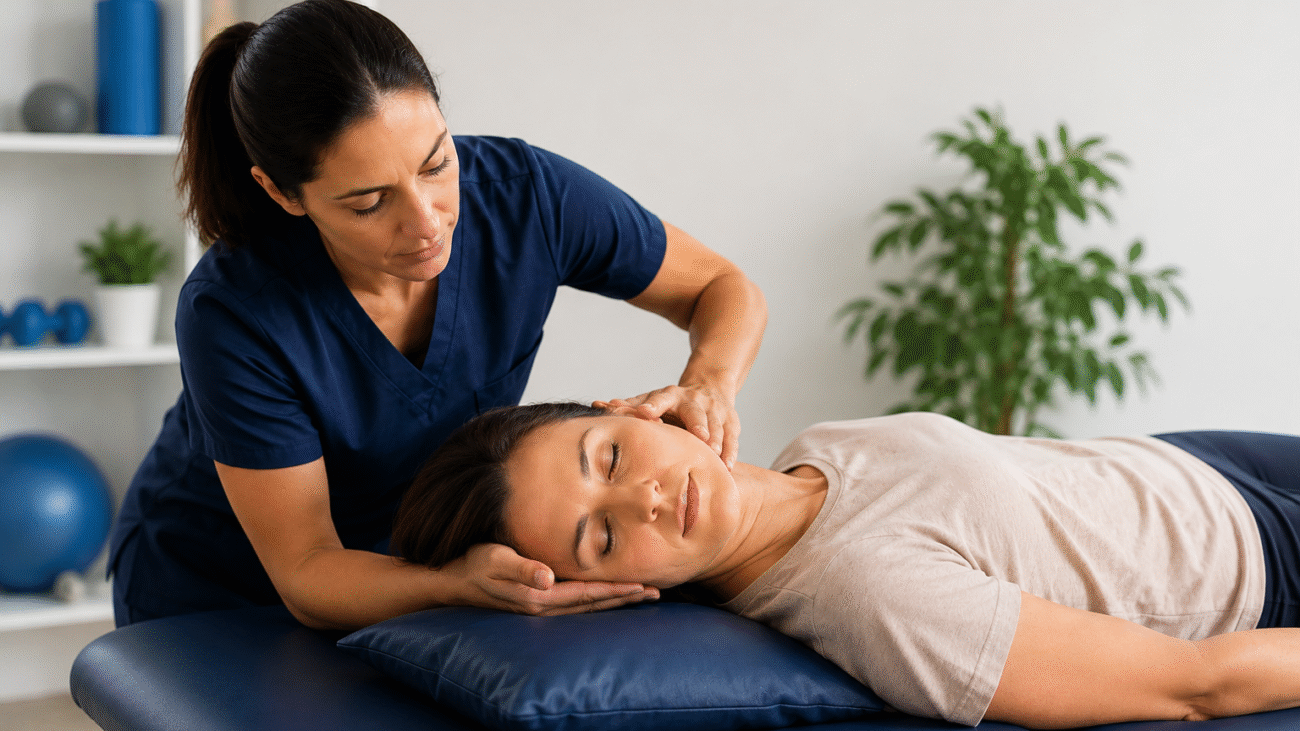
Manual Therapy — Cervical Joint Mobilization

The most powerful tool for cervicogenic headaches. Skilled mobilization of the upper cervical spine (C1–C3) reduces joint irritation and the referred pain that drives headaches. Many patients feel relief within 2–3 sessions.

Soft Tissue Release

Release of the suboccipital muscles (at the base of the skull), upper trapezius, and levator scapulae — muscles that are chronically tight in headache sufferers and contribute to referred head pain.

Dry Needling / IMS

Targeting trigger points in the neck and shoulder muscles that refer pain to the head. This is particularly effective for tension-type headaches.

Postural Correction

Forward head posture places enormous load on the cervical spine. Correcting posture — especially for office workers and those using phones or computers for extended periods — significantly reduces headache frequency.

Exercise Program

Deep neck flexor strengthening, chin tuck exercises, and shoulder blade stabilization exercises to address the muscular imbalances that contribute to cervical dysfunction and headaches.

Lifestyle Factors That Trigger Headaches

  • Poor workstation ergonomics
  • Extended screen time without breaks
  • Sleeping in awkward positions (stomach sleeping)
  • Stress and jaw clenching (bruxism)
  • Dehydration and irregular meals

Frequently Asked Questions

Can physiotherapy cure headaches?

Physiotherapy is highly effective for cervicogenic and tension headaches — conditions where neck dysfunction is a primary driver. Many patients experience significant reduction in headache frequency and severity, and some become headache-free. It is not a cure for all headache types, particularly migraines with no cervical component.

What is a cervicogenic headache?

A cervicogenic headache originates from dysfunction in the neck (cervical spine). The upper cervical joints and muscles share pain pathways with the head, so neck problems produce pain felt as a headache — typically starting at the base of the skull and radiating forward.

How do I know if my headache is coming from my neck?

Signs include: headache that starts at the base of the skull, one-sided headache, headache triggered by neck movement or prolonged positions (like looking at a screen), accompanying neck stiffness. A physiotherapy assessment can confirm whether your neck is contributing to your headaches.

How many physio sessions do I need for headaches?

Most patients with cervicogenic headaches notice significant improvement within 4–6 sessions. A full course of treatment is typically 8–12 sessions, combined with a home program for posture and exercises.

Is physiotherapy effective for tension headaches?

Yes — physiotherapy addresses the muscle tension and postural factors that cause tension headaches. Manual therapy, trigger point release, and posture correction consistently reduce tension headache frequency and severity.

Book Headache Treatment at Rishaan Physio

Stop masking headaches with painkillers. Treat the source.

No referral needed  |  Same-day appointments  |  Direct billing

📍 5105 Hurontario St, Unit 7, Mississauga 📞 Call (905)-800-1661

ChatGPT Image Jul 15, 2026, 11_39_28 AM

Post-Surgical Rehabilitation in Mississauga — Physiotherapy After Surgery

Surgery is only half the equation. What you do in the weeks and months following your procedure determines how well — and how completely — you recover. Post-surgical physiotherapy isn’t optional; it’s the bridge between the operating table and returning to your normal life.

At Rishaan Physio & Wellness Clinic in Mississauga, our registered physiotherapists work closely with your surgical team’s protocols to create a structured rehabilitation program that safely rebuilds your strength, range of motion, and function after surgery.

Why Post-Surgical Physiotherapy Is Essential

After surgery, your body goes through predictable healing stages. Without guided physiotherapy:

  • Scar tissue forms in an uncontrolled way, restricting movement
  • Muscles weaken rapidly due to disuse and neurological inhibition
  • Joint stiffness sets in, which can become permanent if not addressed early
  • Swelling and pain persist longer than necessary
  • Compensatory movement patterns develop, leading to secondary injuries

Physiotherapy manages all of these — systematically and safely.

Surgeries That Require Physiotherapy Rehabilitation

Knee Replacement (Total & Partial)

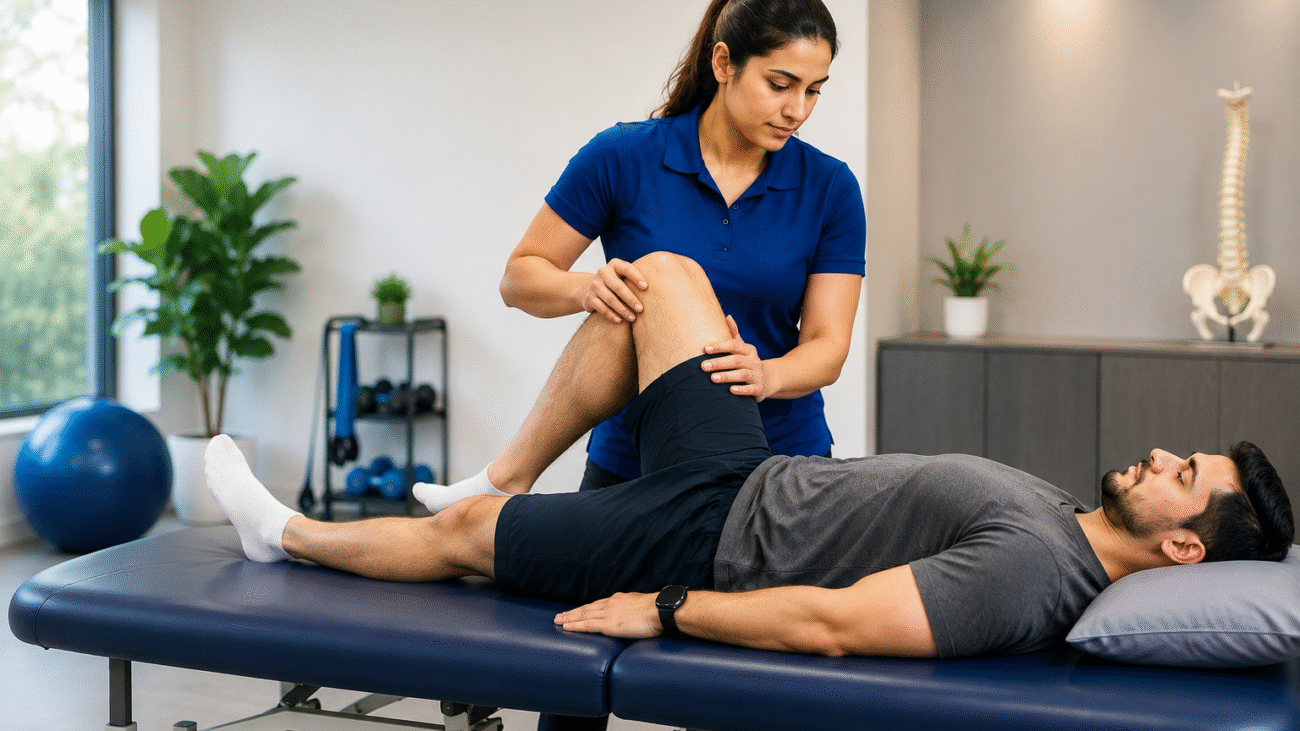
Physiotherapy typically begins within 24 hours of surgery. Early mobilization, swelling management, range of motion exercises, and progressive strengthening are critical to achieving full function. Most patients need 3–6 months of structured rehab.

ACL Reconstruction

ACL rehab is a 9–12 month process. Returning to sport too early without completing all phases of rehabilitation dramatically increases re-rupture risk. Our physiotherapists follow evidence-based return-to-sport criteria — not just timelines.

Rotator Cuff Repair

Shoulder surgery rehabilitation is staged carefully to protect the surgical repair while restoring range of motion. Premature loading is one of the most common causes of re-tear. Our team follows the specific weight-bearing and loading restrictions your surgeon has prescribed.

Hip Replacement

Post-hip replacement rehab focuses on safe movement, gait training, and progressive strengthening of the hip abductors and extensors. Precautions (avoiding certain movements in the early weeks) are carefully monitored.

Spinal Surgery (Discectomy, Spinal Fusion, Laminectomy)

Core stabilization, posture retraining, and gradual return to activity are the pillars of spinal surgery rehabilitation. Our physiotherapists understand the specific restrictions and loading guidelines following each type of spinal procedure.

Phases of Post-Surgical Rehabilitation

Phase 1 (0–6 weeks): Pain and swelling management, gentle range of motion, preventing muscle wasting, safe ambulation.

Phase 2 (6–12 weeks): Progressive strengthening, improving joint mobility, functional movement patterns.

Phase 3 (3–6 months): Sport- or work-specific conditioning, return to full activity, preventing re-injury.

Common Mistakes After Surgery That Slow Recovery

  • Waiting too long to start physiotherapy
  • Skipping sessions when pain improves
  • Returning to activity before clearance
  • Not doing home exercises between clinic visits
  • Ignoring swelling — persistent swelling inhibits muscle function

Frequently Asked Questions

When should I start physiotherapy after surgery?

For most surgeries, physiotherapy begins within days to weeks of the procedure. Knee replacement patients often start the day after surgery. Your surgeon will provide clearance timing; our physiotherapists then see you as soon as you’re ready.

How long is post-surgical physiotherapy?

It depends on the surgery. Knee replacement rehab typically runs 3–6 months. ACL reconstruction is 9–12 months. Rotator cuff repair is 4–6 months. Your physiotherapist will give you a realistic timeline based on your surgery and progress.

Is post-surgical physio covered by insurance?

Yes — most extended health insurance plans cover post-surgical physiotherapy. OHIP covers some physiotherapy in specific hospital-based programs. Rishaan Physio offers direct billing to most major insurance providers.

What happens if I skip physiotherapy after surgery?

Skipping post-surgical physiotherapy significantly increases the risk of permanent stiffness, muscle weakness, and poor surgical outcomes. Studies consistently show patients who complete rehabilitation achieve far better results than those who don’t.

Can physiotherapy help with post-surgical swelling?

Yes — manual lymphatic drainage, compression, elevation guidance, and specific exercises all help reduce post-surgical swelling. Managing swelling is a priority because it directly impacts your ability to regain strength and range of motion.

Start Your Post-Surgical Rehab at Rishaan Physio

We follow your surgeon’s protocol and get you back to full function safely.

No referral needed  |  Same-day appointments  |  Direct billing

📍 5105 Hurontario St, Unit 7, Mississauga 📞 Call (905)-800-1661

ChatGPT Image Jul 14, 2026, 11_58_05 AM

Custom Orthotics in Mississauga — Do You Need Them and What Do They Do?

Custom orthotics are one of the most misunderstood tools in physiotherapy. Some people think they’re just fancy insoles — others believe they’re only for elite athletes. The reality is that custom orthotics, when properly prescribed and fitted, can be one of the most effective tools for treating a wide range of foot, knee, hip, and back problems.

At Rishaan Physio & Wellness Clinic in Mississauga, our physiotherapists assess your foot mechanics and prescribe custom orthotics when they’re genuinely warranted — not as a one-size-fits-all recommendation.

What Are Custom Orthotics?

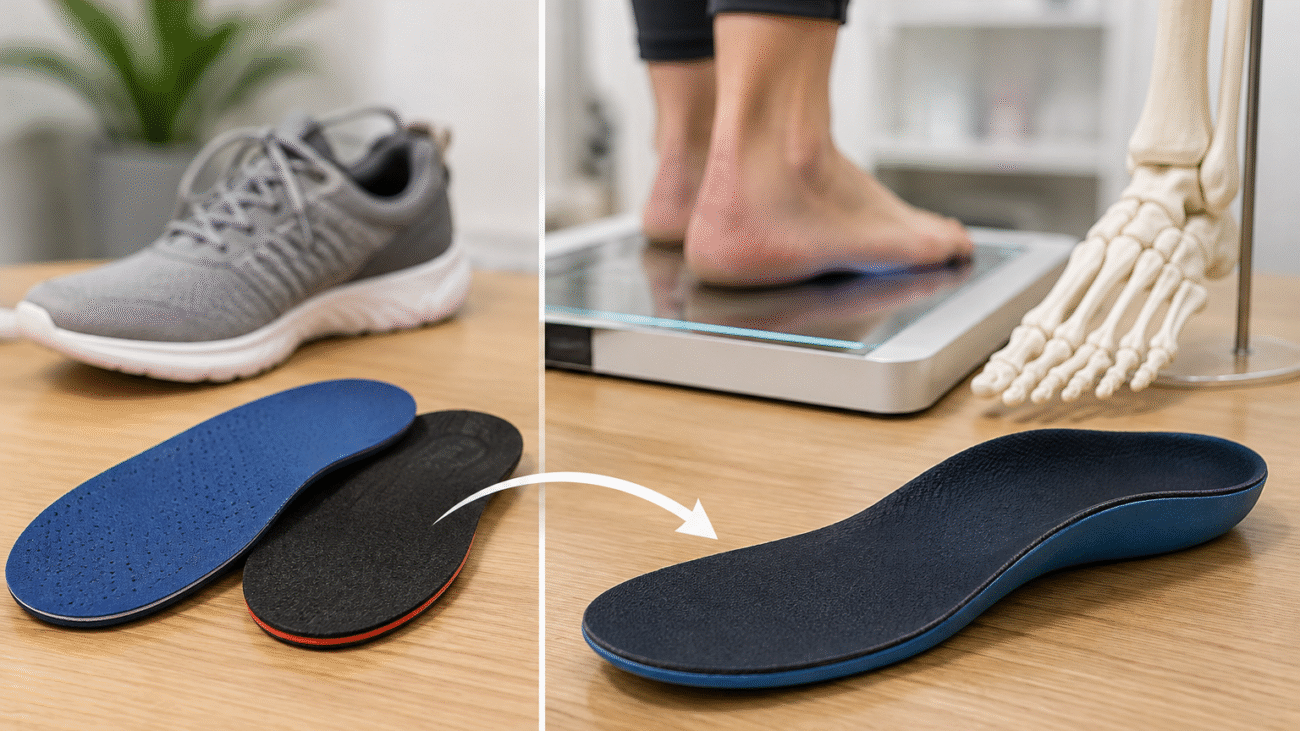
Custom orthotics are shoe inserts that are individually designed and fabricated based on a detailed assessment of your foot structure, gait, and the specific condition being treated. Unlike generic insoles bought at a pharmacy, custom orthotics are built from a cast or 3D scan of your foot and are designed to address your specific biomechanical issues.

Custom vs. Over-the-Counter — What’s the Difference?

Store-bought insoles offer basic cushioning and arch support. They’re built to fit the average foot — not yours. For mild foot fatigue or general comfort, they may be sufficient. But for actual biomechanical problems — flat feet, overpronation, leg length discrepancy, plantar fasciitis — they rarely provide adequate correction.

Custom orthotics are prescribed based on a clinical assessment, designed to control specific movement patterns at the foot, and built from materials matched to your activity level and body weight.

Conditions Custom Orthotics Help Treat

  • Plantar fasciitis — distributes load away from the heel and supports the arch
  • Flat feet (pes planus) — provides medial arch support and controls overpronation
  • High arches (pes cavus) — adds cushioning and improves shock absorption
  • Knee pain (patellofemoral syndrome) — corrects tibial rotation and reduces stress on the kneecap
  • IT band syndrome — addresses overpronation that contributes to hip and knee pain
  • Low back pain — corrects leg length discrepancies and pelvic tilt from foot imbalances
  • Achilles tendinopathy — offloads the tendon with a heel lift
  • Shin splints — controls excess tibial rotation during running

The Assessment Process at Rishaan Physio

Before prescribing orthotics, our physiotherapists conduct a comprehensive assessment including:

  • Static foot posture assessment
  • Dynamic gait analysis (watching how you walk and run)
  • Lower limb alignment assessment (knees, hips, pelvis)
  • Footwear review
  • Condition-specific testing

From this, a prescription is generated specifying the type of orthotic, posting, material, and any specific features needed for your condition and lifestyle.

Are Custom Orthotics Covered by Insurance?

Many extended health insurance plans in Ontario cover custom orthotics — typically requiring a prescription from a registered physiotherapist or physician, and a biomechanical assessment. Coverage amounts vary by plan (commonly $200–$500 per year). Our team at Rishaan Physio can help you navigate your coverage.

How Long Do Custom Orthotics Last?

With normal wear, custom orthotics typically last 2–5 years. Athletic orthotics used in high-impact activities may need replacement sooner. Regular check-ins with your physiotherapist help assess whether your orthotics still align with your current needs.

Frequently Asked Questions

Are custom orthotics worth it?

For the right patient, absolutely. When there’s a genuine biomechanical issue contributing to foot, knee, hip, or back pain, custom orthotics can provide relief that stretching and strengthening alone cannot achieve. Your physiotherapist will assess whether orthotics are appropriate for your specific situation.

Are custom orthotics covered by insurance in Ontario?

Yes — many extended health plans cover custom orthotics, typically $200–$500 per year, when prescribed by a registered physiotherapist. A biomechanical assessment is usually required. Rishaan Physio can provide the necessary documentation for your claim.

How long do custom orthotics last?

Most custom orthotics last 2–5 years with normal use. Athletic orthotics may need replacement sooner. Your physiotherapist will monitor wear at follow-up appointments.

Can orthotics fix flat feet?

Orthotics don’t “fix” flat feet structurally, but they can significantly reduce the symptoms caused by flat feet — including plantar fasciitis, knee pain, and back pain — by supporting the arch and controlling overpronation.

Do I need a prescription for custom orthotics?

A prescription from a registered physiotherapist or physician is required for insurance claims. At Rishaan Physio, your assessment and prescription are completed in the same visit.

Get Custom Orthotics at Rishaan Physio Mississauga

Assessment + prescription in one visit. Direct billing to insurance available.

No referral needed  |  Same-day appointments  |  Open 7 days

📍 5105 Hurontario St, Unit 7, Mississauga 📞 Call (905)-800-1661

19b108f8-2283-4456-ae39-eb01e563fe1d

Bulging Disc & Disc Herniation Physiotherapy in Mississauga

A disc herniation diagnosis can feel frightening — but it doesn’t automatically mean surgery. At Rishaan Physio & Wellness Clinic in Mississauga, our registered physiotherapists successfully treat disc herniations and bulging discs every day. For the vast majority of patients, physiotherapy is all that’s needed to relieve pain, restore function, and return to normal life.

What Is a Disc Herniation?

Your spinal discs are cushion-like structures that sit between each vertebra, absorbing shock and allowing movement. Each disc has a tough outer layer (annulus fibrosus) and a soft, jelly-like centre (nucleus pulposus).

bulging disc occurs when the outer layer weakens and the disc protrudes outward — like a tire with a bulge. A herniated disc (also called a slipped disc or ruptured disc) is more severe: the outer layer tears and the inner material pushes through, potentially pressing directly on nearby spinal nerves.

Common symptoms include:

  • Back or neck pain at the site of the disc
  • Radiating pain, numbness, or tingling into the arm (cervical disc) or leg (lumbar disc)
  • Weakness in the affected limb
  • Pain that worsens with prolonged sitting or bending forward
  • Sharp pain with sneezing or coughing

Can Physiotherapy Avoid Surgery?

In most cases, yes. Research consistently shows that 80–90% of disc herniation patients recover fully with conservative treatment — without surgery. The body has a remarkable ability to reabsorb disc material over time, and physiotherapy accelerates this process while managing pain and preventing the condition from worsening.

Surgery is typically only considered when there is progressive neurological deficit (worsening weakness or loss of sensation), bowel or bladder involvement, or when conservative treatment has been tried for 6–12 weeks without improvement.

How Physiotherapy Treats Disc Herniation

Directional Preference Exercise (McKenzie Method)

Many disc herniation patients have a “directional preference” — specific movements that centralize their pain (move it from the leg back to the back) and reduce symptoms. Extension-based exercises are common for lumbar herniations. Identifying and consistently performing these movements is often the most powerful tool in disc rehabilitation.

Manual Therapy

Gentle spinal mobilization and traction techniques to decompress the affected disc level, reduce nerve irritation, and restore movement to the spine.

Core Stabilization

The deep core muscles — the transverse abdominis, multifidus, and pelvic floor — act as a natural corset for the spine. Strengthening these muscles reduces load on the discs and prevents re-injury.

Postural and Ergonomic Education

Many disc herniations are aggravated by prolonged sitting in poor postures. Your physiotherapist will assess your workstation setup and show you the optimal postures and movement strategies to protect your discs throughout the day.

Neural Mobilization

When a herniation irritates a nerve, neural mobilization techniques (nerve flossing) help reduce the nerve’s sensitivity and restore its normal mobility through surrounding tissue.

What to Avoid With a Disc Herniation

  • Prolonged sitting without breaks
  • Heavy lifting with a flexed (rounded) spine
  • Repeated forward bending, especially in the morning
  • High-impact activities that compress the spine (running on hard surfaces)

Frequently Asked Questions

Can physiotherapy fix a herniated disc?

Yes — 80–90% of disc herniation patients recover fully with physiotherapy and conservative treatment, without surgery. Physiotherapy reduces nerve irritation, strengthens the supporting muscles, and corrects the movement patterns that contributed to the injury.

How long does disc herniation take to heal?

Most patients see significant improvement within 6–12 weeks of physiotherapy. The disc material is often reabsorbed by the body over 6–12 months. Recovery is faster with early, consistent treatment.

What exercises should I avoid with a herniated disc?

Avoid repeated forward bending, sit-ups, deadlifts with a rounded back, and any exercise that increases your leg pain. Your physiotherapist will identify your specific directional preference and prescribe safe exercises accordingly.

Does a bulging disc go away on its own?

Many disc herniations do resolve with time and appropriate physiotherapy. The body can reabsorb disc material, especially larger herniations. Physiotherapy speeds this process and prevents recurrence.

Is disc herniation covered by insurance in Ontario?

Yes — physiotherapy for disc herniation is covered by most extended health plans. WSIB and MVA coverage is also available if the injury occurred at work or in a motor vehicle accident. Rishaan Physio offers direct billing.

Book Disc Herniation Treatment at Rishaan Physio

Most patients recover without surgery. Let us help you be one of them.

No referral needed  |  Same-day appointments  |  Direct billing

📍 5105 Hurontario St, Unit 7, Mississauga 📞 Call (905)-800-1661

WhatsApp Image 2026-07-08 at 12.41.53 PM

Tennis Elbow Treatment in Mississauga — Physiotherapy for Lateral Epicondylitis

Despite its name, you don’t have to play tennis to develop tennis elbow. At Rishaan Physio & Wellness Clinic in Mississauga, we treat tennis elbow in office workers, tradespeople, musicians, and athletes alike — anyone who performs repetitive gripping or wrist movements.

The frustrating thing about tennis elbow is that it’s slow to heal. Many people try rest, ice, and over-the-counter pain relievers — only to find the pain returns the moment they go back to normal activity. The key is understanding why it becomes chronic and treating it properly.

What Is Tennis Elbow?

Tennis elbow — medically known as lateral epicondylitis — is a condition where the tendons that attach the forearm muscles to the bony bump on the outside of the elbow (the lateral epicondyle) become damaged and degenerated.

It’s caused by repetitive overuse — small tears accumulate in the tendon faster than the body can repair them. Over time, the tendon degenerates rather than healing, becoming a chronic problem.

Symptoms include:

  • Pain and burning on the outer side of the elbow
  • Weak grip strength
  • Pain when shaking hands, turning a doorknob, or lifting objects
  • Pain that radiates into the forearm
  • Tenderness when pressing on the lateral epicondyle

Tennis Elbow vs. Golfer’s Elbow — What’s the Difference?

Tennis elbow affects the outside of the elbow (extensor tendons). Golfer’s elbow (medial epicondylitis) affects the inside of the elbow (flexor tendons). Both are treated with physiotherapy, but with different exercise approaches. Your physiotherapist will assess which condition you have and tailor treatment accordingly.

Why Tennis Elbow Becomes Chronic

Early on, tennis elbow is an inflammatory problem. Left untreated, the tissue transitions into a degenerative state called tendinopathy — where the body has stopped actively trying to repair the tendon. At this stage, rest alone does almost nothing. The tendon needs specific loading stimulus to regenerate.

Physiotherapy Treatment for Tennis Elbow

Manual Therapy

Soft tissue release of the forearm extensors and deep transverse friction massage at the tendon attachment site. This breaks down adhesions, improves local circulation, and prepares the tissue for exercise.

Eccentric and Isometric Exercises

The most evidence-based approach for tendinopathy. Eccentric wrist extension exercises place a controlled load through the degenerating tendon, stimulating collagen production and tissue regeneration. Isometric exercises are used first when pain is more acute.

Shockwave Therapy

For chronic tennis elbow (3+ months), shockwave therapy is highly effective. The acoustic waves stimulate healing in the degenerated tendon tissue and provide lasting pain relief — usually within 3–5 sessions.

IFC (Interferential Current)

Electrical therapy to reduce pain and inflammation at the elbow, improving comfort during the rehabilitation process.

Bracing and Load Management

A counterforce brace worn just below the elbow can reduce stress on the lateral epicondyle during daily activities. Your physiotherapist will advise on when and how to use it.

Recovery Timeline

  • Mild / early tennis elbow: 4–6 weeks
  • Chronic tennis elbow: 3–6 months with consistent rehabilitation

Consistency with your home exercise program is the single biggest factor in how quickly you recover.

Frequently Asked Questions

Does tennis elbow go away on its own?

Mild cases may resolve with rest over several months, but chronic tennis elbow rarely heals without targeted treatment. Without addressing the tendon degeneration through specific loading exercises, the pain often returns.

How does physiotherapy treat tennis elbow?

Physiotherapy uses manual therapy, eccentric strengthening exercises, and shockwave therapy to break the cycle of degeneration and stimulate tendon healing. This addresses the root cause, not just the pain.

How long does tennis elbow take to heal?

Mild cases can resolve in 4–6 weeks with physiotherapy. Chronic cases (3+ months) typically take 3–6 months of consistent rehabilitation. Starting treatment early significantly shortens this timeline.

Is shockwave therapy effective for tennis elbow?

Yes — shockwave therapy is one of the most effective treatments for chronic tennis elbow. Studies show significant pain reduction and improved function in 70–80% of patients who haven’t responded to other treatments.

Can I still use my arm with tennis elbow?

Yes, but with modification. Completely resting the arm is not recommended — the tendon needs controlled loading to heal. Your physiotherapist will guide you on what activities to continue, modify, or temporarily avoid.

Book Tennis Elbow Treatment at Rishaan Physio

Manual therapy + shockwave therapy — at one clinic in Mississauga.

No referral needed  |  Same-day appointments  |  Direct billing

📍 5105 Hurontario St, Unit 7, Mississauga 📞 Call (905)-800-1661

26f1fa40-2ea6-4bc1-9110-dd80bdae4ff8

Hip Pain Physiotherapy in Mississauga — Causes, Diagnosis & Treatment

Hip pain is one of those problems that creeps up gradually — starting as occasional discomfort during a walk or when getting out of a chair, and slowly becoming something that affects every aspect of your day. At Rishaan Physio & Wellness Clinic in Mississauga, we assess and treat hip pain from a wide range of causes — and in many cases, physiotherapy is all that’s needed to restore full function.

Common Causes of Hip Pain

Hip Bursitis (Trochanteric Bursitis)

Bursae are small fluid-filled sacs that cushion the hip joint. When the bursa on the outer side of the hip becomes inflamed — often from repetitive movement, prolonged sitting, or direct pressure — it causes pain on the outside of the hip that can radiate down the thigh. This is one of the most common hip conditions we treat at our Mississauga clinic.

Hip Osteoarthritis

Wear and tear of the cartilage in the hip joint causes pain, stiffness, and reduced range of motion — particularly in the morning or after prolonged sitting. Physiotherapy cannot reverse arthritis, but it can significantly reduce pain, improve strength, and delay the need for surgery.

Labral Tear

The labrum is a ring of cartilage that lines the hip socket. Tears — common in athletes and active individuals — cause deep groin pain, clicking, or a “giving way” sensation in the hip.

IT Band Syndrome

The iliotibial band runs from the hip down to the knee. Tightness in this band causes pain on the outer hip and thigh, especially in runners and cyclists.

Hip Flexor Tightness

Prolonged sitting tightens the hip flexor muscles (iliopsoas), leading to anterior hip pain and reduced walking stride. This is extremely common in office workers and desk-based professionals.

Post-Hip Replacement Rehabilitation

Recovery after hip replacement surgery requires structured physiotherapy to restore strength, range of motion, and safe movement patterns.

How Physiotherapy Treats Hip Pain

Assessment First

Effective hip pain treatment starts with accurately identifying the source of pain. Hip pain can originate from the joint itself, surrounding muscles and tendons, the lumbar spine, or the sacroiliac joint. Our physiotherapists use clinical tests and movement assessments to determine exactly what’s driving your symptoms.

Manual Therapy

Joint mobilization and soft tissue release to reduce pain, improve hip mobility, and address muscle imbalances around the hip and pelvis.

Strengthening Program

Targeted exercises for the glutes, hip abductors, and core — the muscles that support the hip joint. Weakness in these areas is a major driver of both hip pain and injury.

Stretching and Flexibility

Hip flexor, piriformis, and IT band stretches to reduce tension around the joint and improve movement quality.

Gait and Movement Retraining

For patients with abnormal walking patterns that contribute to hip pain, our physiotherapists provide practical retraining to correct these habits and reduce joint load.

When Should I See a Physiotherapist for Hip Pain?

Book an appointment if:

  • Hip pain has lasted more than 2 weeks
  • You’re limping or avoiding certain movements because of pain
  • Pain is waking you up at night
  • You’ve been told you have arthritis and want to manage it conservatively
  • You’ve had hip surgery and need rehabilitation

Frequently Asked Questions

What are the most common causes of hip pain?

The most common causes include hip bursitis, osteoarthritis, labral tears, IT band tightness, and hip flexor tightness from prolonged sitting. A physiotherapy assessment can identify the specific cause and guide the right treatment.

Can physiotherapy fix hip pain without surgery?

In many cases, yes. Conditions like bursitis, IT band syndrome, hip flexor tightness, and even mild-to-moderate arthritis often respond very well to physiotherapy without any surgical intervention.

How long does hip pain take to heal with physiotherapy?

Mild conditions like bursitis or tightness can improve significantly in 4–8 weeks. More complex issues like arthritis or labral tears may require ongoing management over several months.

What exercises help hip pain?

Glute strengthening (clamshells, bridges), hip flexor stretches, and gentle range-of-motion exercises are commonly prescribed. The right exercises depend on your specific diagnosis — your physiotherapist will tailor your program.

Is hip bursitis treated with physiotherapy?

Yes — physiotherapy is the first-line treatment for hip bursitis. Manual therapy, targeted exercises, and activity modification can resolve most cases without injections or surgery.

Book Hip Pain Treatment at Rishaan Physio

Same-day appointments available  |  No referral needed  |  Direct billing

📍 5105 Hurontario St, Unit 7, Mississauga 📞 Call (905)-800-1661

ChatGPT Image Jul 3, 2026, 07_20_06 PM

Shockwave Therapy in Mississauga — What It Is, Who It Helps & What to Expect

If you’ve been dealing with chronic tendon pain or heel pain that just won’t go away — despite rest, stretching, and other treatments — shockwave therapy may be exactly what you need. It’s one of the most effective evidence-based treatments for stubborn musculoskeletal conditions, and it’s available right here at Rishaan Physio & Wellness Clinic in Mississauga.

What Is Shockwave Therapy?

Shockwave therapy — formally called Extracorporeal Shock Wave Therapy (ESWT) — uses high-energy acoustic (sound) waves to penetrate deep into injured tissue. These pulses stimulate the body’s natural healing processes, break down scar tissue and calcium deposits, and increase blood flow to chronically injured areas.

It’s called “shockwave” not because it delivers an electrical shock, but because of the rapid pressure waves it generates. The treatment is non-invasive — no needles, no incisions.

What Conditions Does Shockwave Therapy Treat?

Shockwave therapy is most effective for chronic tendon conditions — problems that have been present for 3 or more months and haven’t fully responded to rest, physio, or other conservative treatments.

  • Plantar fasciitis — chronic heel pain
  • Achilles tendinopathy — pain at the back of the heel
  • Tennis elbow (lateral epicondylitis)
  • Golfer’s elbow (medial epicondylitis)
  • Calcific shoulder — calcium deposits in the rotator cuff
  • Patellar tendinopathy — “jumper’s knee”
  • Greater trochanteric pain syndrome — hip tendon pain

The Science Behind Shockwave Therapy

Chronic tendon injuries don’t heal well on their own because they exist in a state of failed healing — the tissue has degenerated but the body is no longer actively trying to repair it. Shockwave therapy “restarts” the healing process by:

  • Increasing local blood circulation to the injured area
  • Stimulating the production of collagen — the building block of tendon repair
  • Breaking down calcium deposits in calcific tendinopathies
  • Desensitizing pain receptors for immediate pain relief

What Does a Session Feel Like?

During treatment, a handheld device is applied to the skin over the injured area — usually with gel to transmit the waves effectively. You’ll feel a series of rapid tapping or pulsing sensations. Some people describe it as mildly uncomfortable, particularly over areas that are already tender. The intensity is adjustable and your therapist works within your comfort level.

Each session lasts approximately 10–15 minutes. Immediately after, the treated area may feel sore for 24–48 hours — this is a normal part of the healing response being triggered.

How Many Sessions Will I Need?

Most conditions respond well to 3–5 sessions spaced 1 week apart. Some patients notice improvement after the first session; most see significant change after 3. Your physiotherapist will assess your response and adjust the treatment plan accordingly.

Is Shockwave Therapy Covered by Insurance?

Coverage varies by insurance plan. Many extended health plans that cover physiotherapy do include shockwave therapy. Our team at Rishaan Physio can help you check your coverage before starting treatment. Call us at (905)-800-1661 for more information.

Frequently Asked Questions

Does shockwave therapy hurt?

It can feel mildly uncomfortable, especially over already-tender areas. The intensity is adjustable, and most patients tolerate sessions well. There may be 24–48 hours of soreness after treatment, which is a normal healing response.

How many shockwave therapy sessions do I need?

Most conditions respond to 3–5 sessions spaced one week apart. Some patients feel improvement after the first session; most see significant results after 3.

Is shockwave therapy safe?

Yes — shockwave therapy is a well-researched, non-invasive treatment with a strong safety profile. It is not recommended for people with blood clotting disorders, active infections, or certain other conditions. Your physiotherapist will screen you before treatment.

What conditions does shockwave therapy treat?

Shockwave is most effective for chronic tendon conditions including plantar fasciitis, Achilles tendinopathy, tennis elbow, calcific shoulder, and patellar tendinopathy — particularly when other treatments haven’t fully resolved the problem.

Is shockwave therapy covered by insurance in Ontario?

Coverage varies by plan. Many extended health plans that cover physiotherapy also cover shockwave therapy. Call Rishaan Physio at (905)-800-1661 and our team can help verify your coverage.

Book Shockwave Therapy in Mississauga

Chronic pain? Get a shockwave consultation at Rishaan Physio today.

No referral needed  |  Same-day appointments  |  Direct billing

📍 5105 Hurontario St, Unit 7, Mississauga📞 Call (905)-800-1661

ChatGPT Image Jul 1, 2026, 11_40_18 AM

Plantar Fasciitis Treatment in Mississauga — What Works and What Doesn’t

That stabbing pain in your heel the moment you take your first steps in the morning — that’s the hallmark of plantar fasciitis. It’s one of the most common foot conditions we treat at Rishaan Physio & Wellness Clinic in Mississauga, and it affects runners, teachers, retail workers, and anyone who spends long hours on their feet.

The problem is that many people try to “rest it off” — only to find the pain returns the moment they go back to their normal activities. That’s because rest alone doesn’t fix plantar fasciitis. Here’s what actually does.

What Is Plantar Fasciitis?

The plantar fascia is a thick band of connective tissue that runs along the bottom of your foot, connecting your heel bone to your toes. It acts like a bowstring — supporting the arch and absorbing shock when you walk or run.

When this tissue is repeatedly stressed — through overuse, poor footwear, tight calf muscles, or biomechanical issues — it becomes inflamed at the point where it attaches to the heel bone. This is plantar fasciitis.

Typical symptoms include:

  • Sharp heel pain with the first steps in the morning
  • Pain that eases after a few minutes of walking but returns with prolonged activity
  • Tenderness at the base of the heel when pressed
  • Tightness in the Achilles tendon or calf

Why Rest Alone Doesn’t Work

Rest reduces inflammation temporarily — but it doesn’t address why the fascia became irritated in the first place. As soon as you return to activity, the same forces are applied to the same tissue, and the cycle of pain begins again.

The key is to fix the underlying cause: tight calves, weak foot muscles, poor footwear, or abnormal foot mechanics (flat feet or high arches).

What Actually Works: Physiotherapy for Plantar Fasciitis

Manual Therapy

Soft tissue release of the plantar fascia, calf muscles, and Achilles tendon. This reduces tension through the entire posterior chain that contributes to heel pain.

Shockwave Therapy

For chronic plantar fasciitis (lasting more than 3 months), shockwave therapy is one of the most effective treatments available. High-energy acoustic pulses stimulate healing in the damaged tissue and break down calcium deposits. Most patients respond within 3–5 sessions. Learn more about shockwave therapy at Rishaan Physio.

Stretching & Eccentric Loading

Specific calf stretches and eccentric heel drop exercises rebuild strength in the plantar fascia and Achilles tendon — the most evidence-based exercise approach for this condition.

Custom Orthotics

If abnormal foot mechanics (flat feet, overpronation, high arches) are contributing to your plantar fasciitis, custom orthotics can redistribute load away from the heel and dramatically reduce recurrence. Learn about custom orthotics at Rishaan Physio.

Taping

Low-Dye taping provides immediate pain relief by supporting the arch and offloading the plantar fascia. It’s a useful short-term tool while strength and flexibility are being restored.

How Long Does Plantar Fasciitis Take to Heal?

  • Mild / recent onset (under 3 months): 4–8 weeks with physiotherapy
  • Chronic plantar fasciitis (3+ months): 8–16 weeks; shockwave therapy recommended

The longer plantar fasciitis goes untreated, the more resistant it becomes. Don’t wait.

Frequently Asked Questions

What is the fastest way to cure plantar fasciitis?

A combination of physiotherapy, specific stretching, and shockwave therapy (for chronic cases) gives the fastest results. Rest alone is not sufficient — you need to address the underlying tissue damage and biomechanical causes.

Does physiotherapy help plantar fasciitis?

Yes — physiotherapy is highly effective for plantar fasciitis. Manual therapy, eccentric loading exercises, and shockwave therapy address both the pain and the root cause, preventing recurrence.

How long does plantar fasciitis take to heal?

With consistent physiotherapy, most patients see significant improvement in 4–8 weeks. Chronic cases (3+ months) may take 3–4 months and often benefit from shockwave therapy.

Can I walk with plantar fasciitis?

Yes, gentle walking is fine and encouraged. Avoid prolonged standing, running, or walking on hard surfaces without proper footwear. Your physiotherapist will guide you on activity modification.

Is shockwave therapy effective for plantar fasciitis?

Yes — shockwave therapy is one of the most evidence-supported treatments for chronic plantar fasciitis that hasn’t responded to rest and stretching. It stimulates healing in the damaged tissue and provides lasting pain relief in most patients.

Book Plantar Fasciitis Treatment at Rishaan Physio

Shockwave therapy & physiotherapy — at one clinic in Mississauga.

No referral needed  |  Same-day appointments  |  Direct billing

📍 5105 Hurontario St, Unit 7, Mississauga 📞 Call (905)-800-1661

ChatGPT Image Jun 30, 2026, 04_02_28 PM

Helping Mississauga Residents Return to an Active Life with Physiotherapy

Life is meant to be lived in motion. Whether it’s taking a morning walk through your neighborhood, enjoying a weekend bike ride, playing sports with friends, gardening, keeping up with your children or grandchildren, or simply climbing the stairs without discomfort, staying active contributes to both physical and mental well-being. When pain, stiffness, or an injury gets in the way, even these everyday activities can become challenging.

Many people believe pain is a normal part of aging or assume it will disappear on its own with enough rest. While this may be true for minor aches, persistent pain often indicates an underlying issue that needs professional attention. Ignoring it can lead to reduced mobility, recurring injuries, and a decline in your overall quality of life.

Physiotherapy offers a safe, evidence-based approach to treating pain, restoring movement, and improving strength. Instead of only focusing on symptoms, physiotherapy addresses the root cause of the problem to help you recover effectively and prevent future injuries.

At Rishaan Physio, we are committed to helping Mississauga residents regain their mobility and confidence through personalized physiotherapy care. Whether you’re recovering from an injury, managing a chronic condition, or looking to improve your physical function, our goal is to help you move comfortably and return to the activities that matter most.

This guide explains how physiotherapy supports recovery, who can benefit from treatment, and why taking action early can make a significant difference in your health and lifestyle.


Why Staying Active Matters

Regular physical activity is essential for maintaining good health at every stage of life. Movement keeps your muscles strong, supports healthy joints, improves circulation, enhances balance, and contributes to better mental health. It also helps reduce the risk of chronic conditions such as heart disease, diabetes, osteoporosis, and obesity.

Beyond the physical benefits, staying active allows you to enjoy life’s simple pleasures. Whether it’s travelling, participating in recreational sports, walking your dog, dancing, or spending quality time with family, good mobility gives you the freedom to live independently and confidently.

However, pain and limited mobility often discourage people from remaining active. Many begin avoiding activities they once enjoyed because they fear making their condition worse. Over time, reduced movement can weaken muscles, increase joint stiffness, and create a cycle that makes recovery even more difficult.

Physiotherapy helps break this cycle by restoring movement, reducing discomfort, and gradually rebuilding your confidence.


Common Conditions That Can Affect Your Mobility

People visit physiotherapy clinics for many different reasons. Some recover from sudden injuries, while others seek help for pain that has developed over months or years.

At Rishaan Physio, we commonly help patients experiencing:

Back Pain

Back pain is one of the most common reasons people seek physiotherapy. Poor posture, prolonged sitting, heavy lifting, muscle strains, or disc-related issues can all contribute to discomfort. Physiotherapy focuses on reducing pain while improving posture, flexibility, and core strength to support long-term recovery.

Neck Pain

Spending long hours at a computer or looking down at mobile devices can place significant stress on the neck. Whiplash injuries, muscle tension, and poor posture are also common causes. Treatment aims to improve mobility, reduce stiffness, and restore normal movement.

Shoulder Pain

Shoulder pain can make simple activities like reaching overhead, lifting groceries, or getting dressed uncomfortable. Conditions such as rotator cuff injuries, frozen shoulder, and shoulder impingement often respond well to physiotherapy.

Knee Pain

Whether caused by arthritis, sports injuries, ligament problems, or overuse, knee pain can affect walking, climbing stairs, and exercise. Rehabilitation strengthens the muscles around the knee while improving joint stability and flexibility.

Sports Injuries

Athletes and active individuals commonly experience muscle strains, ligament sprains, tendon injuries, and repetitive stress injuries. Physiotherapy helps reduce recovery time while preparing the body for a safe return to physical activity.

Arthritis

Although arthritis cannot be cured, physiotherapy plays an important role in managing pain, maintaining joint mobility, improving strength, and helping patients stay active despite their condition.

Sciatica

Sciatica occurs when irritation of the sciatic nerve causes pain that travels from the lower back into the leg. Physiotherapy helps reduce nerve irritation while improving spinal mobility and strengthening supporting muscles.

Post-Surgical Rehabilitation

Recovering after orthopedic surgery often requires structured rehabilitation to restore movement, strength, and confidence. Physiotherapy guides patients safely through each stage of recovery.


Signs You Should Consider Physiotherapy

Not every ache requires medical treatment, but certain symptoms shouldn’t be ignored.

You may benefit from physiotherapy if you experience:

  • Pain lasting longer than a week
  • Difficulty walking or climbing stairs
  • Limited range of motion
  • Joint stiffness
  • Muscle weakness
  • Swelling around a joint
  • Frequent sprains or strains
  • Pain during exercise
  • Difficulty performing daily activities
  • Poor balance or frequent falls

Seeking treatment early often leads to better outcomes and may prevent your condition from becoming more serious.


How Physiotherapy Helps You Return to an Active Life

Physiotherapy is much more than exercise. It combines clinical assessment, hands-on treatment, education, and rehabilitation to help your body recover naturally.

At Rishaan Physio, every patient’s journey begins with a comprehensive assessment. Your physiotherapist takes the time to understand your symptoms, medical history, daily activities, and personal goals before creating a customized treatment plan.

Treatment may include:

Manual Therapy

Hands-on techniques help improve joint movement, reduce muscle tension, relieve stiffness, and decrease pain.

Therapeutic Exercise

Targeted exercises strengthen weak muscles, improve flexibility, and restore balance. As your recovery progresses, exercises become more challenging to match your improving abilities.

Posture Education

Poor posture often contributes to neck, shoulder, and back pain. Learning healthier movement habits can significantly reduce strain on your body.

Balance and Coordination Training

Improving balance helps reduce the risk of falls and supports confidence during daily activities, especially for older adults.

Functional Rehabilitation

Instead of focusing only on isolated muscles, physiotherapy prepares your body for real-life movements such as walking, lifting, reaching, climbing stairs, and returning to work or recreational activities.


Every Recovery Journey Is Different

No two people recover in exactly the same way. Factors such as age, overall health, lifestyle, occupation, and the severity of the condition all influence the healing process.

That’s why personalized care is so important.

At Rishaan Physio, treatment plans are regularly adjusted as your recovery progresses. We monitor your improvement, celebrate your milestones, and modify exercises to ensure you’re continually moving toward your goals.

Whether your goal is returning to the gym, playing sports again, walking comfortably without pain, or simply enjoying daily life with greater ease, your rehabilitation program is designed around what matters most to you.


The Importance of Early Treatment

Many people wait weeks or even months before seeking professional care, hoping the pain will resolve on its own. Unfortunately, delaying treatment can sometimes lead to chronic pain, reduced mobility, muscle weakness, and longer recovery times.

Early physiotherapy can help:

Staying Active During Your Recovery

Recovering from an injury or managing chronic pain doesn’t always mean you have to stop moving completely. In fact, staying active in the right way can often support healing and improve recovery outcomes. The key is to choose activities that are appropriate for your condition and follow the guidance of your physiotherapist.

At Rishaan Physio, we create rehabilitation programs that help you stay active while protecting the injured area. As your recovery progresses, your exercises are gradually adjusted to rebuild strength, flexibility, and endurance without placing unnecessary stress on your body.

Simple low-impact activities such as walking, gentle stretching, swimming, or stationary cycling may be recommended depending on your condition. These activities help maintain joint mobility, improve circulation, and prevent muscle weakness while allowing your body to heal.

Most importantly, listen to your body. Mild muscle soreness after exercise can be normal, but sharp or worsening pain is a sign to stop and seek professional advice. A balanced recovery plan combines movement with adequate rest, proper nutrition, hydration, and good sleep habits to support your body’s natural healing process.


Small Lifestyle Changes Can Make a Big Difference

Many musculoskeletal problems develop because of everyday habits rather than a single injury. Fortunately, making a few simple lifestyle changes can help reduce pain, improve mobility, and lower the risk of future problems.

Here are some healthy habits worth adopting:

  • Stay physically active throughout the week.
  • Take regular breaks if you sit for long periods.
  • Practice good posture while working or using digital devices.
  • Stretch before and after physical activity.
  • Strengthen your core muscles to support your back.
  • Wear supportive footwear during exercise.
  • Lift heavy objects using proper body mechanics.
  • Maintain a healthy weight to reduce stress on your joints.
  • Stay hydrated and eat a balanced diet to support muscle recovery.
  • Prioritize quality sleep to allow your body time to repair itself.

These small changes, combined with personalized physiotherapy, can make a noticeable difference in how you move and feel every day.


Helping Mississauga Residents Return to an Active Life

At Rishaan Physio, our mission goes beyond treating pain. We believe everyone deserves the opportunity to enjoy an active, independent, and fulfilling life. Whether your goal is to return to sports, keep up with your family, walk comfortably through your neighbourhood, or simply complete everyday tasks without discomfort, we are here to support you every step of the way.

Our physiotherapists take the time to understand your lifestyle, listen to your concerns, and create a treatment plan tailored to your specific needs. We focus on helping you recover safely while giving you the knowledge and confidence to maintain your progress long after your treatment is complete.

We proudly support people from all walks of life, including:

  • Office workers experiencing neck and back pain
  • Athletes recovering from sports injuries
  • Seniors looking to improve mobility and balance
  • Individuals recovering after surgery
  • People managing arthritis or chronic pain
  • Workers recovering from repetitive strain injuries
  • Anyone looking to improve their overall movement and physical function

Every recovery journey is unique, and we are committed to helping you achieve your personal goals at a pace that is right for you.


Why Choose Rishaan Physio?

Choosing the right physiotherapy clinic is an important step in your recovery. At Rishaan Physio, we focus on providing patient-centered care that supports both your short-term recovery and long-term well-being.

When you visit Rishaan Physio, you can expect:

  • Personalized treatment plans based on your individual needs
  • Thorough assessments to identify the root cause of your condition
  • One-on-one care from experienced physiotherapists
  • Evidence-informed treatment techniques
  • Rehabilitation programs designed around your lifestyle and goals
  • Education to help prevent future injuries
  • A welcoming and supportive environment where your progress matters

Our goal isn’t just to help you recover from pain. We want to help you move with confidence, regain your independence, and enjoy an active lifestyle again.


Frequently Asked Questions (FAQs)

1. Who can benefit from physiotherapy?

Physiotherapy is suitable for people of all ages. Whether you’re recovering from an injury, managing chronic pain, healing after surgery, or experiencing mobility challenges, physiotherapy can help improve movement, reduce pain, and restore function.

2. Do I need a doctor’s referral to book a physiotherapy appointment?

In many cases, you can book an appointment directly with a physiotherapist. However, some extended health insurance providers may require a referral for reimbursement. It’s always a good idea to check with your insurance provider beforehand.

3. How many physiotherapy sessions will I need?

The number of sessions depends on your condition, recovery goals, and how your body responds to treatment. After your initial assessment, your physiotherapist will discuss a treatment plan and provide an estimate of the recommended number of visits.

4. Can physiotherapy help with chronic pain?

Yes. Physiotherapy can help manage chronic pain by improving strength, flexibility, posture, joint mobility, and movement patterns. Treatment focuses on reducing pain while improving your ability to perform daily activities.

5. Is physiotherapy only for sports injuries?

No. While physiotherapy is commonly used for sports injuries, it also helps people recovering from surgery, managing arthritis, treating workplace injuries, improving balance, and addressing back, neck, knee, and shoulder pain.

6. When should I see a physiotherapist?

You should consider seeing a physiotherapist if pain persists for more than a few days, limits your daily activities, affects your mobility, or continues to return during physical activity. Early treatment often leads to better outcomes.

7. What should I wear to my physiotherapy appointment?

Wear comfortable clothing that allows easy movement and provides access to the area being treated. Athletic wear or loose-fitting clothing is usually the best choice.

8. Can physiotherapy help prevent future injuries?

Absolutely. Physiotherapy identifies muscle imbalances, movement restrictions, and poor movement patterns that may increase your risk of injury. Treatment includes education and exercises designed to help prevent future problems.

9. Will my treatment plan be personalized?

Yes. Every patient receives an individualized assessment and treatment plan based on their condition, lifestyle, activity level, and personal goals.

10. Why choose Rishaan Physio in Mississauga?

Rishaan Physio provides personalized physiotherapy care focused on helping patients reduce pain, restore mobility, improve strength, and return to the activities they enjoy. Our team is committed to supporting your recovery with compassionate, evidence-informed care.


Conclusion

Living with pain or limited mobility can affect every part of your daily life, from work and exercise to spending time with family and enjoying your favorite hobbies. The good news is that you don’t have to face these challenges alone.

With personalized physiotherapy, the right rehabilitation plan, and ongoing support, it’s possible to reduce pain, restore movement, and regain the confidence to stay active. Whether you’re recovering from an injury, managing a long-term condition, or simply looking to move more comfortably, taking the first step toward treatment can make a lasting difference.

At Rishaan Physio, we’re proud to help Mississauga residents return to an active life through personalized care that focuses on your unique goals and needs. We’re here to support your recovery, celebrate your progress, and help you get back to doing the things you love.

Book your appointment with Rishaan Physio today and take the next step toward moving better, feeling stronger, and living a healthier, more active life.