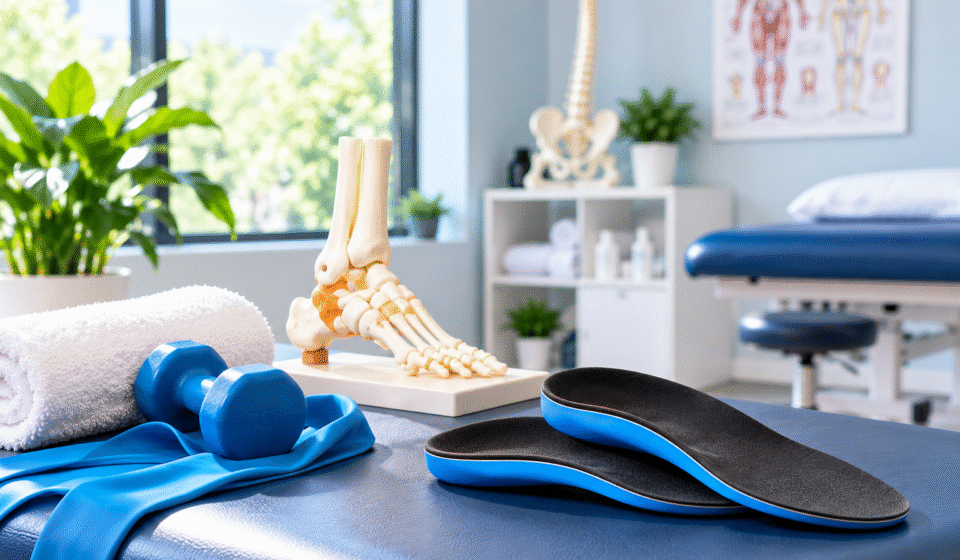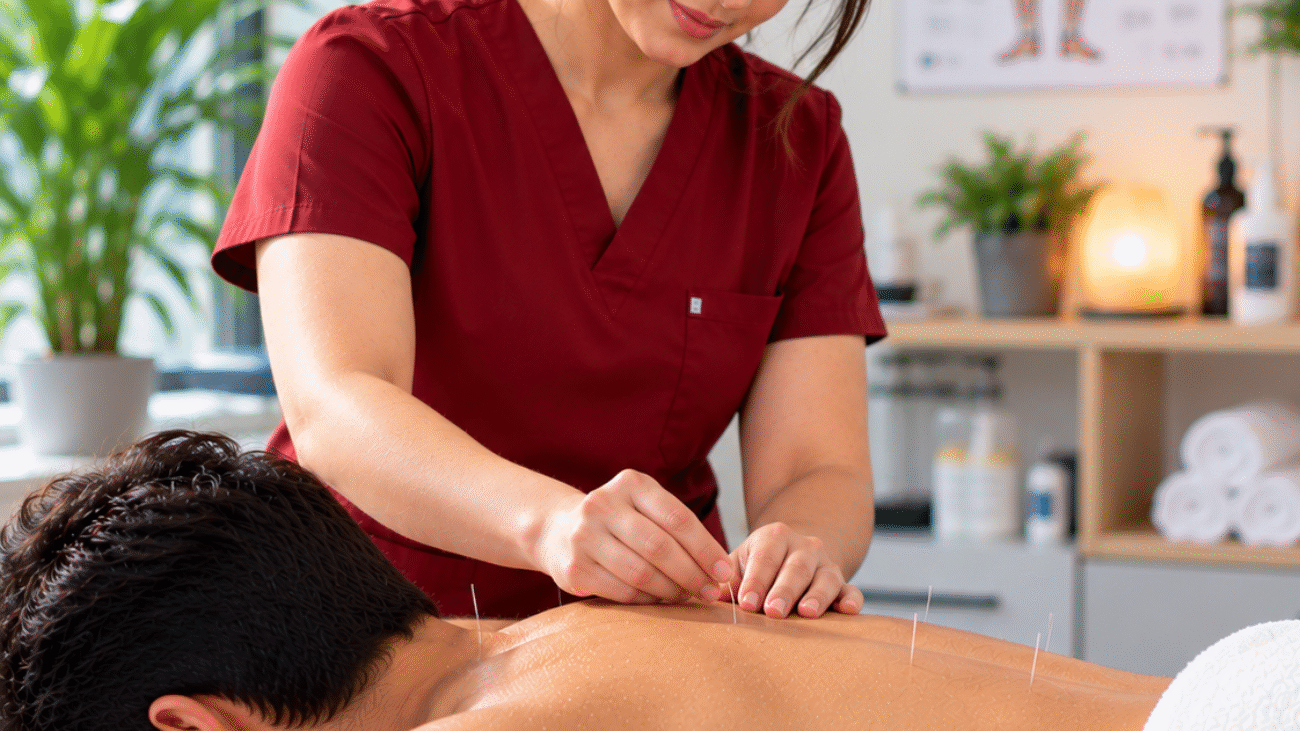
ChatGPT Image Aug 24, 2026, 10_50_09 AM

7 Signs You Need Custom Orthotics (And How to Get Fitted in Mississauga)

Your feet carry your entire body weight — every step, every day. When something isn’t working properly in the foot’s biomechanical structure, the effects ripple upward through the ankles, knees, hips, and lower back. Often, people manage these symptoms with painkillers, activity avoidance, or store-bought insoles — without ever addressing the underlying foot mechanics.

Custom orthotics — medical insoles prescribed and fabricated specifically for your foot structure — can correct these mechanics and provide relief for a surprising range of conditions. But how do you know if you actually need them?

Here are 7 signs that it may be time for a custom orthotic assessment at Rishaan Physio & Wellness Clinic in Mississauga.

SIGN 1: YOU HAVE CHRONIC HEEL PAIN OR PLANTAR FASCIITIS

If your first steps in the morning feel like walking on broken glass — intense heel pain that gradually eases as you walk around — you are likely experiencing plantar fasciitis. This is the most common cause of heel pain in adults, affecting approximately 10% of people during their lifetime.

Plantar fasciitis is almost always driven by abnormal foot mechanics — most commonly overpronation (the foot rolling inward excessively), which places repetitive excessive tension on the plantar fascia. Custom orthotics that control rearfoot pronation and provide a dedicated plantar fascia off-loading groove are one of the most effective conservative treatments available.

Multiple systematic reviews confirm that custom orthotics are significantly more effective than prefabricated insoles for plantar fasciitis.

SIGN 2: YOUR SHOES WEAR UNEVENLY

Turn your shoes over and look at the wear pattern on the soles. Normal wear is moderate and relatively even, concentrated at the heel and ball of the foot.

Heavy wear on the inner heel and ball = overpronation (flat foot mechanics)

Heavy wear on the outer edge = supination / underpronation

Uneven wear is a visible sign of biomechanical abnormality. Without correction, this uneven loading is transmitted to your joints — particularly the knees, hips, and lower back — increasing wear and the risk of injury.

SIGN 3: YOU HAVE PERSISTENT KNEE PAIN (ESPECIALLY RUNNER’S KNEE)

Patellofemoral pain syndrome (PFPS), commonly called “runner’s knee,” causes pain around or behind the kneecap — particularly with stairs, squatting, or prolonged sitting. It’s extremely common in runners, hikers, and people who stand for long hours.

The connection to your feet: overpronation causes the tibia (shin bone) to rotate inward, which in turn causes the kneecap to track abnormally, creating friction and pain. Custom orthotics that correct rearfoot mechanics reduce this abnormal tibial rotation and significantly decrease PFPS symptoms.

Research published in the British Journal of Sports Medicine demonstrates that custom orthotics significantly outperform flat insoles and stretching alone for patellofemoral pain.

SIGN 4: YOU HAVE LOWER BACK PAIN WITH NO CLEAR SPINAL CAUSE

Lower back pain that has persisted despite physiotherapy, massage, and spinal treatment — and has no clear disc, joint, or nerve cause identified on imaging — may have a biomechanical foot/leg origin.

A leg length discrepancy of as little as 6mm creates pelvic tilt, lumbar scoliosis, and compensatory muscle patterns that manifest as lower back pain. Overpronation of one foot can functionally shorten that leg, mimicking a structural length discrepancy.

If your physiotherapist identifies this pattern, a custom orthotic with a heel lift can correct the discrepancy and resolve the resulting lumbar symptoms.

SIGN 5: YOU HAVE FOOT PAIN DURING OR AFTER STANDING FOR LONG PERIODS

If your feet ache, throb, or feel fatigued after a day of standing — in a profession requiring prolonged time on your feet (healthcare, retail, hospitality, construction) — your feet are absorbing forces that your foot structure is not adequately equipped to distribute.

Custom orthotics redistribute pressure across the entire plantar surface of the foot, reducing localised overloading of the metatarsals, heel, or arch. Many patients in these professions find that custom orthotics eliminate foot fatigue and pain almost entirely.

SIGN 6: YOU HAVE FLAT FEET OR VERY HIGH ARCHES

FLAT FEET (Pes Planus)

Flat feet (absent or collapsed arch) are a common finding in both children and adults. Not all flat feet are symptomatic — but when they are associated with pain, fatigue, or instability, custom orthotics provide structural support that cannot be replicated by standard footwear.

HIGH ARCHES (Pes Cavus)

Feet with very high arches have rigid structures that absorb shock poorly, concentrating impact on the heel and ball of the foot. This predisposes to stress fractures, plantar fasciitis, Achilles tendinopathy, and ankle instability. Custom orthotics with appropriate cushioning and lateral posting address the specific biomechanics of a cavus foot — something store-bought cushioning insoles cannot adequately do.

SIGN 7: YOU’VE HAD MULTIPLE ANKLE SPRAINS OR ANKLE INSTABILITY

Recurrent ankle sprains suggest chronic lateral ankle instability — ligament laxity on the outer side of the ankle that predisposes the joint to rolling. While physiotherapy for ankle strengthening and proprioception training is the primary treatment, custom orthotics that post the lateral heel and improve rearfoot alignment reduce the tendency for the ankle to roll, providing an external stability supplement.

If you’ve sprained the same ankle more than once, a combined approach of physiotherapy and custom orthotics is strongly recommended.

WHAT HAPPENS AT A CUSTOM ORTHOTIC ASSESSMENT?

At Rishaan Physio in Mississauga, a custom orthotic assessment takes approximately 45 minutes and includes:

– Full lower limb biomechanical assessment (foot structure, ankle mobility, knee alignment, hip mechanics, gait analysis)

– Identification of the specific biomechanical dysfunction driving your symptoms

– Discussion of the type of orthotic most appropriate for your condition, footwear, and activity level

– Foot casting or 3D scanning

– Prescription and laboratory order

Orthotics typically arrive within 2–3 weeks. At the fitting appointment, your physiotherapist ensures correct fit, explains the break-in protocol, and assesses your gait with the devices in place.

INSURANCE COVERAGE IN ONTARIO

Most extended health insurance plans in Ontario include custom orthotic coverage of $200–$500 per year. At Rishaan Physio, we provide all required documentation (biomechanical assessment report, prescription) for your insurance claim and offer direct billing where available.

FREQUENTLY ASKED QUESTIONS

Q: Do I really need custom orthotics or will store-bought insoles work?

A: It depends on your specific condition and biomechanics. If you have significant structural foot abnormalities, a diagnosed condition like plantar fasciitis or PFPS, or multiple failed attempts with OTC insoles, custom orthotics are very likely to provide superior results. A professional assessment is the only way to know for certain.

Q: How long until I feel a difference with custom orthotics?

A: Most patients feel improvement within 2–6 weeks of consistent use. A break-in period is normal — start wearing orthotics for 1–2 hours per day and gradually increase use over 1–2 weeks.

Q: Will custom orthotics weaken my feet?

A: No — this is a common misconception. Custom orthotics are used alongside a strengthening program, not as a replacement for it. They correct position while exercises build the strength to maintain that position over time.

Q: Do orthotics go in any type of shoe?

A: Custom orthotics can typically be transferred between shoes of similar types. Running shoes, walking shoes, and casual shoes with removable insoles accommodate most orthotics. Dress shoes and very flat shoes may require slimmer orthotic designs.0

BOOK YOUR ORTHOTIC ASSESSMENT IN MISSISSAUGA

Rishaan Physio & Wellness Clinic

5105 Hurontario St, Unit 7, Mississauga, ON

Phone: (905) 800-1661

Website: rishaanphysio.com

Open 7 days a week | Direct billing available | Free pickup & drop-off

ChatGPT Image Aug 21, 2026, 10_53_56 AM

Prehabilitation: How Physiotherapy Before Surgery Helps You Recover Faster

Most people know that physiotherapy is important after surgery. But very few know that physiotherapy before surgery — called prehabilitation, or “prehab” — can be just as important, if not more so.

The concept is simple: the stronger and more functional you are going into surgery, the faster and more completely you will recover coming out. Research has consistently demonstrated that patients who complete a structured prehabilitation program before elective surgery have shorter hospital stays, fewer complications, faster return to function, and better long-term outcomes.

At Rishaan Physio & Wellness Clinic in Mississauga, prehabilitation is a structured, evidence-based program we offer for patients awaiting orthopaedic, cardiac, abdominal, or other major surgical procedures.

WHAT IS PREHABILITATION?

Prehabilitation is a proactive rehabilitation program undertaken in the weeks or months before surgery with the goal of optimising your physical condition before your procedure. Think of it as building your body’s “reserve capacity” so that the inevitable physical stress of surgery and recovery has less impact.

Prehabilitation typically includes:

  • Targeted strength training for the muscles surrounding the surgical site
  • Cardiovascular conditioning to improve surgical risk profile
  • Range of motion and flexibility exercises
  • Pain management and postural correction
  • Breathing exercises (particularly for abdominal and thoracic surgeries)
  • Education about what to expect post-operatively and how to use aids (crutches, walkers, etc.)
  • Nutritional and lifestyle counselling (in collaboration with your care team)

THE EVIDENCE FOR PREHABILITATION

The research supporting prehabilitation has grown substantially over the past decade:

KNEE REPLACEMENT SURGERY

A landmark study published in the Journal of Bone and Joint Surgery (JBJS) found that patients who completed 4–8 weeks of prehabilitation before total knee replacement had significantly better knee function scores at 12 months post-surgery compared to those who did not. They also required less physiotherapy post-operatively.

HIP REPLACEMENT SURGERY

A systematic review published in Disability and Rehabilitation found that prehabilitation before total hip replacement improved post-operative function, reduced length of hospital stay, and decreased discharge to rehabilitation facilities — saving patients and the healthcare system significant resources.

ACL RECONSTRUCTION

Neuromuscular prehabilitation before ACL reconstruction has been shown to reduce post-operative quadriceps weakness and accelerate return to sport timelines.

ABDOMINAL AND CARDIAC SURGERY

Inspiratory muscle training and aerobic conditioning prehabilitation has been shown to reduce post-operative pulmonary complications — one of the leading causes of surgical morbidity — by up to 50% in high-risk patients.

CANCER SURGERY

Prehabilitation for patients undergoing cancer-related surgery (colorectal, breast, lung) has demonstrated improvements in functional capacity, quality of life, and tolerance of chemotherapy.

WHO SHOULD CONSIDER PREHABILITATION?

Prehabilitation is beneficial for virtually anyone facing elective surgery, but it is particularly recommended for:

JOINT REPLACEMENT PATIENTS

Total knee replacement, total hip replacement, and shoulder arthroplasty patients benefit enormously. Post-surgical outcomes correlate strongly with pre-surgical quadriceps strength (for knee replacement), hip abductor strength (for hip replacement), and rotator cuff function (for shoulder replacement).

ACL AND KNEE LIGAMENT RECONSTRUCTION

Athletes and active individuals awaiting ACL reconstruction should begin prehab immediately after injury to reduce the muscle wasting (atrophy) that begins within days.

SPINAL SURGERY (DISC REPLACEMENT, FUSION, DECOMPRESSION)

Core stability, hip flexibility, and postural training before spinal surgery reduce post-operative pain and improve functional recovery.

ROTATOR CUFF REPAIR

Strengthening the non-torn components of the rotator cuff and the scapular stabilisers before surgery significantly improves post-surgical shoulder function.

OLDER ADULTS (65+) FACING ANY MAJOR SURGERY

Frailty is one of the strongest predictors of poor surgical outcomes. Even a 4–6 week resistance training program before surgery can meaningfully improve strength, reduce frailty risk, and improve post-operative resilience.

PATIENTS WITH SIGNIFICANT WEIGHT OR COMORBIDITIES

Physiotherapy-supervised exercise before surgery helps manage weight, improve cardiovascular health, and reduce the risk of surgical complications in patients with diabetes, hypertension, or obesity.

PREHABILITATION AT RISHAAN PHYSIO IN MISSISSAUGA

STEP 1: INITIAL ASSESSMENT

Your physiotherapist at Rishaan Physio conducts a comprehensive pre-surgical assessment covering:

– Current strength, range of motion, and functional capacity

  • Pain levels and pain behaviour patterns
  • Cardiovascular fitness (where relevant)
  • Surgical date and procedure details
  • Goals and expectations for post-surgical recovery

STEP 2: PERSONALISED PREHAB PROGRAM

Based on the assessment, we design a program specific to your surgery, timeframe, and baseline fitness. Most prehab programs run for 4–8 weeks at 2–3 sessions per week, with a robust home exercise component.

STEP 3: PROGRESS MONITORING

Your physiotherapist reassesses you every 2–4 weeks, progresses your exercises as appropriate, and communicates with your surgical team if needed.

STEP 4: PRE-SURGERY DEBRIEF

In the final week before surgery, your physiotherapist prepares you for what to expect: how to safely get up from a chair, how to use crutches or a walker, what movements to avoid post-operatively, and how quickly to expect your recovery to progress.

STEP 5: SEAMLESS TRANSITION TO POST-SURGICAL REHAB

At Rishaan Physio, your prehab physiotherapist becomes your post-surgical physiotherapist — providing continuity of care throughout your recovery. You will not need to re-explain your history or goals.

HOW LONG BEFORE SURGERY SHOULD I START?

The ideal prehab window depends on your timeframe:

6–12 weeks before surgery: Optimal. Enough time to make meaningful strength and fitness gains.

4–6 weeks: Still very beneficial — focus on quality movement, pain management, and surgical preparation.

2–4 weeks: Short window but worthwhile — focus on education, movement training, and reducing pre-operative anxiety.

If you don’t know your surgery date yet, start prehab as soon as the procedure is scheduled. The waitlist for elective joint replacement in Ontario can extend to several months — this is actually an opportunity to arrive at surgery in the best possible condition.

FREQUENTLY ASKED QUESTIONS

Q: Is prehabilitation covered by insurance?

A: Yes — prehabilitation is physiotherapy and is covered by most extended health insurance plans under physiotherapy benefits.

Q: Will exercising before surgery make my pain worse?

A: This is a common concern but is rarely the case. Your physiotherapist will design exercises that strengthen the muscles around the affected joint without aggravating it. The program begins at an appropriate level for your current condition and progresses gradually.

Q: My surgeon hasn’t mentioned prehab — should I still do it?

A: Yes. Prehabilitation is still underprescribed in the Canadian healthcare system despite strong evidence. You do not need a specific referral from your surgeon — you can book at Rishaan Physio directly. If your surgeon wants to be informed, we are happy to send a progress report.

Q: I have been told to rest before surgery. Doesn’t prehab contradict this?

A: Rest is typically recommended to avoid aggravating the surgical site — not to avoid therapeutic exercise. There is a significant difference between protecting an injured joint and allowing full body deconditioning. Your physiotherapist will work within the parameters recommended by your surgeon.

Q: Can I do prehab if I’m in significant pain?

A: Yes. Pain management is incorporated into every prehabilitation program. Exercises are selected and modified to remain within a tolerable pain range while still providing therapeutic benefit.

BOOK YOUR PREHABILITATION ASSESSMENT IN MISSISSAUGA

Don’t let surgery happen to a deconditioned body. Arrive stronger and recover faster with prehabilitation at Rishaan Physio.

Rishaan Physio & Wellness Clinic

5105 Hurontario St, Unit 7, Mississauga, ON

Phone: (905) 800-1661

Website: rishaanphysio.com

Open 7 days a week | Free pickup & drop-off available

ChatGPT Image Aug 19, 2026, 01_03_32 PM

Acupuncture vs Dry Needling: Key Differences and Which Is Right for You

Two techniques. Both use fine needles. Both relieve pain. Yet acupuncture and dry needling are distinct practices rooted in entirely different theoretical frameworks and clinical approaches.

If you’ve been told you might benefit from one or the other — or you’re simply curious about the difference — this guide from Rishaan Physio & Wellness Clinic in Mississauga will give you a clear, honest comparison.

WHAT IS TRADITIONAL ACUPUNCTURE?

Acupuncture is a practice with roots in Traditional Chinese Medicine (TCM) dating back over 2,000 years. It is based on the concept of qi (life energy) flowing through meridians — specific pathways throughout the body. When qi flow is disrupted or blocked, pain and disease result. Needles inserted at specific acupuncture points along these meridians are believed to restore the flow of qi and bring the body back into balance.

Modern research has provided physiological explanations for acupuncture’s effects that complement the traditional framework:

  • Stimulation of endorphin and serotonin release
  • Modulation of the central nervous system’s pain processing
  • Anti-inflammatory effects through cytokine regulation
  • Improved local blood circulation

WHAT TRADITIONAL ACUPUNCTURE TREATS:

Acupuncture has demonstrated effectiveness for a wide range of conditions, including:

  • Chronic pain (back, neck, knee, shoulder)
  • Headaches and migraines
  • Anxiety and stress
  • Insomnia
  • Digestive disorders
  • Nausea (including chemotherapy-related nausea)
  • Reproductive health conditions
  • Fatigue

WHAT IS DRY NEEDLING?

Dry needling is a modern, Western physiotherapy technique that uses the same fine filament needles as acupuncture but is based on anatomy, neurophysiology, and musculoskeletal science rather than TCM theory.

Specifically, dry needling targets myofascial trigger points — tight, hypersensitive bands within muscle tissue (“knots”) that cause local pain and referred pain patterns. The needle is inserted directly into the trigger point, producing a “local twitch response” — an involuntary muscle contraction that resets the neuromuscular junction, releases the trigger point, and reduces pain.

At Rishaan Physio, dry needling is performed by registered physiotherapists who have completed post-graduate training in intramuscular stimulation (IMS) — a specific form of dry needling developed by Dr. Chan Gunn at the University of British Columbia.

WHAT DRY NEEDLING TREATS:

Dry needling is specifically effective for:

KEY DIFFERENCES: SIDE BY SIDE

THEORETICAL BASIS

Acupuncture: Traditional Chinese Medicine — meridians, qi, energy balance

Dry Needling: Western anatomy and neurophysiology — trigger points, neuromuscular function

NEEDLE PLACEMENT

Acupuncture: Specific acupuncture points on meridian pathways (may be distant from the site of pain)

Dry Needling: Directly into myofascial trigger points in affected muscles

TARGET

Acupuncture: Systemic regulation — multiple body systems, not just pain

Dry Needling: Localised muscular dysfunction and pain

SENSATION DURING TREATMENT

Acupuncture: Dull ache (de qi) — often deeply relaxing

Dry Needling: Local twitch response — brief intense muscle cramp/twitch, followed by relaxation

TRAINING

Acupuncture: Provided by TCM practitioners (CTCMPAO regulated in Ontario) or physiotherapists with acupuncture training

Dry Needling/IMS: Provided by physiotherapists or other regulated health professionals with post-graduate needle therapy training

CONDITIONS TREATED

Acupuncture: Broader — pain, anxiety, insomnia, digestive issues, hormonal conditions, nausea

Dry Needling: More specific — musculoskeletal pain with trigger point component

NUMBER OF NEEDLES

Acupuncture: Typically 10–20 needles, retained for 20–30 minutes

Dry Needling: Fewer needles, shorter retention — often in and out within seconds per point

WHICH SHOULD YOU CHOOSE?

FOR MUSCULOSKELETAL PAIN WITH A CLEAR TRIGGER POINT COMPONENT

Choose dry needling (IMS). If you have a specific area of muscle tightness, a knot that won’t release, or referred pain from a trigger point, dry needling provides faster, more targeted relief for this mechanism.

FOR CHRONIC PAIN WITH ANXIETY, SLEEP ISSUES, OR SYSTEMIC SYMPTOMS

Choose acupuncture. If your pain is accompanied by high stress, poor sleep, digestive issues, or other systemic complaints, acupuncture addresses the whole-body dimension that dry needling does not.

FOR HEADACHES AND NECK PAIN

Either — or both. Cervicogenic headaches with muscle trigger point components respond very well to dry needling. Migraine and tension headaches with systemic components may respond better to acupuncture, or a combination of both.

FOR POST-SURGICAL MUSCLE GUARDING

Choose dry needling. Muscles that have gone into protective spasm after surgery respond well to IMS at Rishaan Physio.

THE GOOD NEWS: You don’t always have to choose.

At Rishaan Physio in Mississauga, our team includes practitioners trained in both acupuncture and IMS/dry needling. Depending on your assessment findings, your physiotherapist may incorporate elements of both approaches in a single treatment plan.

IS THERE A DIFFERENCE IN HOW THEY FEEL?

Yes — and this is important to understand:

Acupuncture typically feels relaxing. The sensation during needle retention (de qi) is a dull, heavy ache that most patients find deeply calming. Many patients fall asleep during acupuncture sessions.

Dry needling is more intense in the moment. The local twitch response is a brief, involuntary muscle cramp that can feel surprising or uncomfortable for a second — but is followed almost immediately by a deep muscle release. Post-treatment soreness (like post-workout muscle ache) is common for 24–48 hours and is a sign that the technique is working.

FREQUENTLY ASKED QUESTIONS

Q: Is dry needling the same as acupuncture?

A: No — they use the same type of needle but are entirely different in theory, technique, and target. Acupuncture follows TCM meridian theory; dry needling follows Western neuromuscular anatomy and targets trigger points.

Q: Are both safe?

A: Yes — both are safe when performed by trained, regulated practitioners using sterile, single-use needles. At Rishaan Physio, all needle therapies are performed under strict infection control protocols.

Q: Is dry needling painful?

A: The local twitch response feels like a brief, intense muscle cramp — most patients describe it as strange rather than painful. The duration is typically less than a second. Post-treatment muscle soreness for 24–48 hours is normal.

Q: Which one is covered by insurance?

A: Both are typically covered under extended health insurance. Acupuncture by a registered acupuncturist is covered under acupuncture benefits. Dry needling performed as part of physiotherapy is covered under physiotherapy benefits. Check your specific plan.

Q: How many sessions will I need?

A: Most patients see meaningful improvement in 4–6 sessions of dry needling for trigger point conditions. Acupuncture for systemic conditions typically requires 8–10 sessions for a full course.

BOOK YOUR NEEDLE THERAPY CONSULTATION IN MISSISSAUGA

Not sure which is right for you? Book an assessment at Rishaan Physio — our team will assess your condition and recommend the most appropriate approach.

Rishaan Physio & Wellness Clinic

5105 Hurontario St, Unit 7, Mississauga, ON

Phone: (905) 800-1661

Website: rishaanphysio.com

Open 7 days a week | Free pickup & drop-off

ChatGPT Image Aug 17, 2026, 12_57_07 PM

 Whiplash Injury After a Car Accident: Physiotherapy Treatment & Recovery in Mississauga

Car accidents happen every day on Mississauga’s busy roads — Hurontario, Highway 401, Eglinton, Dixie. And even low-speed collisions can cause whiplash — a soft tissue injury that, left untreated, can become a source of chronic pain for months or years.

If you’ve been in a motor vehicle accident and are experiencing neck pain, headaches, shoulder stiffness, or dizziness, physiotherapy is one of the most effective and evidence-supported treatments available. At Rishaan Physio & Wellness Clinic in Mississauga, we have extensive experience managing whiplash-associated disorders (WAD) and helping patients recover fully through MVA insurance.

Here’s everything you need to know about whiplash injury, physiotherapy treatment, and your rights as an accident victim in Ontario.

WHAT IS WHIPLASH?

Whiplash — medically known as whiplash-associated disorder (WAD) — is an injury caused by a sudden, forceful back-and-forth movement of the neck, most commonly resulting from rear-end car collisions. The rapid acceleration-deceleration forces overstress the cervical spine’s soft tissues — muscles, ligaments, tendons, discs, and nerves.

Common symptoms include:

Symptoms may begin immediately after the accident or may be delayed by 12–24 hours. If you’ve been in an accident, do not wait for symptoms to worsen before seeking assessment.

WHY EARLY PHYSIOTHERAPY IS CRITICAL

Research consistently shows that the outcome from whiplash injury is significantly better when physiotherapy begins early — within the first 2 weeks post-accident. Early intervention:

  • Prevents the establishment of chronic pain pathways in the nervous system
  • Maintains range of motion before stiffness sets in
  • Reduces fear-avoidance behaviour (the tendency to stop moving to avoid pain, which paradoxically worsens outcomes)
  • Addresses postural compensations before they become habitual
  • Establishes a documented clinical record of your injuries for insurance purposes

Delaying treatment — even for a few weeks — allows scar tissue to form, muscle imbalances to develop, and the nervous system to sensitise to pain, all of which significantly prolong recovery.

THE GRADES OF WHIPLASH INJURY

The Quebec Task Force classification system grades WAD as follows:

Grade 0: No complaints or physical signs (no injury)

Grade 1: Neck complaint only — no physical signs on examination. Ache, stiffness, or tenderness without objective findings.

Grade 2: Neck complaint + musculoskeletal signs (reduced range of motion, point tenderness). Most common clinical presentation.

Grade 3: Neck complaint + neurological signs (reduced or absent deep tendon reflexes, weakness, sensory deficits).

Grade 4: Neck complaint + fracture or dislocation (requires immediate medical referral).

Physiotherapy is the primary treatment for Grade 1–3 WAD. Grade 4 requires orthopaedic or neurosurgical assessment.

HOW PHYSIOTHERAPY TREATS WHIPLASH

At Rishaan Physio in Mississauga, our whiplash rehabilitation program includes:

ACUTE PHASE (Weeks 1–3)

  • Cervical joint mobilisation to restore range of motion
  • Soft tissue massage to address muscle spasm and tenderness
  • Patient education: reassurance, pain science, and guidance on activity modification
  • TENS or other modalities for pain management
  • Gentle range-of-motion exercises
  • Postural correction advice

REHABILITATION PHASE (Weeks 3–12)

  • Progressive cervical strengthening exercises (deep flexors, extensors, scapular stabilisers)
  • Proprioception retraining (improving the neck’s positional awareness)
  • IMS / dry needling for persistent muscle trigger points
  • Functional activity restoration
  • Workplace and daily activity modification advice

RETURN TO FUNCTION (Weeks 8–16+)

  • Sport-specific or work-specific conditioning
  • Graded exposure to activities previously avoided
  • Vestibular rehabilitation if dizziness persists
  • Discharge planning and home exercise maintenance program

MVA INSURANCE AND PHYSIOTHERAPY IN ONTARIO

In Ontario, your auto insurance policy includes Statutory Accident Benefits (SABS) that cover physiotherapy for injuries sustained in a motor vehicle accident — regardless of who was at fault.

Key points for Ontario MVA patients:

  • You do not need to wait for a fault determination to begin physiotherapy
  • Physiotherapy is covered under the medical and rehabilitation benefit of your policy
  • Most standard auto policies in Ontario include $65,000–$130,000 in medical rehabilitation benefits for minor injuries
  • A Minor Injury Guideline (MIG) applies to most Grade 1–2 WAD cases, providing a treatment funding cap

At Rishaan Physio, we handle MVA insurance billing directly and work with accident benefit adjusters to ensure you receive the treatment you are entitled to. You will not pay out of pocket for approved treatment under your MVA claim.

WHAT TO DO AFTER A CAR ACCIDENT:

1. Seek medical attention — visit your family physician or a walk-in clinic immediately after the accident. Document your symptoms.

2. Report the accident to your insurance company — typically required within 7 days.

3. Book your physiotherapy assessment — the sooner the better. Call Rishaan Physio at (905) 800-1661. We will guide you through the MVA claims process.

4. Keep records — document your symptoms, activity limitations, and treatment visits.

WHAT ABOUT WSIB CLAIMS?

If your whiplash injury occurred as a result of a workplace vehicle accident (e.g., a collision while driving for work), your claim would typically be managed through WSIB rather than auto insurance. Rishaan Physio is an approved WSIB physiotherapy provider in Mississauga.

FREQUENTLY ASKED QUESTIONS

Q: How long does whiplash take to heal with physiotherapy?

A: Grade 1–2 WAD typically resolves in 6–12 weeks with appropriate physiotherapy. Grade 3 WAD (with neurological signs) may take 3–6 months. Research shows that approximately 50% of Grade 2 WAD patients achieve full recovery within 3 months with early physiotherapy.

Q: Should I wear a neck collar after a whiplash injury?

A: Current evidence does not support prolonged cervical collar use for whiplash. A collar used for more than a few days can actually slow recovery by preventing the movement necessary for tissue healing. Your physiotherapist will guide appropriate activity levels instead.

Q: Can whiplash cause permanent damage?

A: The majority of whiplash injuries resolve fully with appropriate treatment. A minority of patients — particularly those with Grade 3 injuries or who received delayed treatment — develop chronic whiplash-associated disorder. Early, evidence-based physiotherapy is the most effective strategy for preventing chronicity.

Q: My accident was minor and I feel okay — should I still see a physiotherapist?

A: Yes. Symptoms can be delayed by 12–24 hours after a whiplash injury as inflammation develops. A physiotherapy assessment shortly after the accident provides a clinical baseline, identifies subclinical dysfunction that may become symptomatic, and creates a documented treatment record.

Q: Do I need a referral to claim physiotherapy under MVA insurance?

A: No. In Ontario, you can access physiotherapy directly without a physician referral and have it covered under your SABS benefit. Contact your insurance adjuster and Rishaan Physio together to initiate the process.

BOOK YOUR WHIPLASH ASSESSMENT IN MISSISSAUGA

Don’t let whiplash become chronic pain. Contact Rishaan Physio & Wellness Clinic immediately after your accident — we’ll handle the insurance paperwork and focus on getting you better.

Rishaan Physio & Wellness Clinic

5105 Hurontario St, Unit 7, Mississauga, ON

Phone: (905) 800-1661

Website: rishaanphysio.com

Open 7 days a week | MVA & WSIB direct billing | Free pickup & drop-off

ChatGPT Image Aug 17, 2026, 11_44_30 AM

 Prenatal Massage Therapy in Mississauga: Benefits, Safety and What to Expect

Pregnancy is a time of profound physical change — and with it comes a range of discomforts that many expectant mothers simply accept as part of the experience. Lower back pain. Swollen feet and ankles. Hip discomfort. Sciatic nerve pain. Difficulty sleeping.

What many Mississauga moms-to-be don’t know is that registered massage therapy (RMT) is a safe, evidence-supported way to address these symptoms throughout pregnancy — and that it offers benefits well beyond simple relaxation.

At Rishaan Physio & Wellness Clinic in Mississauga, our registered massage therapists are trained in prenatal massage techniques appropriate for each trimester. Here’s everything expectant mothers need to know.

IS PRENATAL MASSAGE SAFE?

Yes — prenatal massage performed by a trained Registered Massage Therapist (RMT) is safe throughout pregnancy, including the first trimester. There is no credible scientific evidence that massage causes miscarriage. This is a common misconception, likely arising from the general caution health professionals take in the first trimester when miscarriage risk is naturally highest.

That said, certain precautions apply:

– Deep pressure is avoided over the abdomen and certain acupressure points

– Positioning is modified for safety and comfort at each trimester stage

– Women with high-risk pregnancies, preeclampsia, placenta previa, deep vein thrombosis, or other medical complications should obtain clearance from their obstetrician or midwife before booking

At Rishaan Physio, we conduct a thorough intake prior to every prenatal massage to ensure it is appropriate for your specific pregnancy.

BENEFITS OF PRENATAL MASSAGE

LOWER BACK PAIN RELIEF

Lower back pain affects approximately 70% of pregnant women. The growing uterus shifts the centre of gravity forward, increasing lumbar lordosis and loading the lumbar facet joints and sacroiliac joints. Prenatal massage targets the erector spinae, quadratus lumborum, and gluteal muscles to relieve tension and reduce pain — providing relief that medication cannot safely offer during pregnancy.

REDUCED SCIATIC NERVE PAIN

As the uterus expands, it can compress the sciatic nerve or the piriformis muscle (which overlies the sciatic nerve) can go into spasm. Gentle deep tissue techniques targeting the piriformis and surrounding hip muscles provide significant sciatic pain relief for many pregnant women.

REDUCED SWELLING (OEDEMA)

Pregnancy-related fluid retention causes swelling in the legs, ankles, and feet — particularly in the third trimester. Gentle lymphatic drainage techniques encourage fluid movement through the lymphatic system, reducing puffiness and improving comfort.

IMPROVED SLEEP

Pregnancy discomfort, anxiety, and the need for frequent bathroom trips significantly disrupt sleep. Prenatal massage activates the parasympathetic nervous system, reduces cortisol, and increases serotonin — helping pregnant women achieve deeper, more restorative sleep.

REDUCED ANXIETY AND DEPRESSION

A landmark 2004 study by Field et al. published in the Journal of Psychosomatic Obstetrics & Gynaecology found that women who received bi-weekly prenatal massage had significantly lower levels of anxiety, depression, and cortisol — and their newborns had fewer complications and higher birth weights. Subsequent research has supported these findings.

RELIEF FROM HEADACHES AND NECK TENSION

Postural changes, hormonal fluctuations, and increased blood volume during pregnancy contribute to tension headaches and neck tightness. Massage targeting the cervical, trapezius, and shoulder muscles provides effective relief.

HIP AND PELVIC GIRDLE PAIN

Relaxin — the hormone that loosens ligaments in preparation for birth — can cause hypermobility and pain in the sacroiliac joints and symphysis pubis. Prenatal massage combined with appropriate physiotherapy (if indicated) addresses both the muscular and joint components of pelvic girdle pain.

PRENATAL MASSAGE BY TRIMESTER

FIRST TRIMESTER (Weeks 1–12)

Massage is safe but typically focuses on gentle relaxation techniques. We avoid deep pressure and position clients on their back (with a wedge if needed) or side-lying. Priority areas: neck, shoulders, upper back, and legs.

SECOND TRIMESTER (Weeks 13–26)

This is often the most comfortable trimester for massage. Side-lying positioning becomes standard as the abdomen grows. More therapeutic work can be done on the lower back, hips, and piriformis. Sciatic pain typically appears in this trimester.

THIRD TRIMESTER (Weeks 27–40)

Full side-lying positioning is used throughout. Focus shifts to lower back, glutes, hips, legs, and feet — the areas carrying the most load. Lymphatic drainage for oedema is introduced. Many women find bi-weekly massage most beneficial in the third trimester.

WHAT TO EXPECT AT YOUR PRENATAL MASSAGE APPOINTMENT

At Rishaan Physio in Mississauga, your prenatal massage appointment begins with a detailed health intake form covering your pregnancy stage, current symptoms, medical history, and any concerns raised by your obstetrician or midwife.

You’ll be positioned comfortably using specialized prenatal pillows and bolsters in a side-lying position that is safe and comfortable at any stage of pregnancy. Sessions are typically 60 minutes.

Your RMT will use a combination of Swedish massage techniques (effleurage, petrissage), modified deep tissue work, and lymphatic drainage as appropriate for your trimester and symptoms.

POSTNATAL MASSAGE

Recovery from childbirth — whether vaginal or caesarean — places significant demand on the body. Postnatal massage helps restore muscle function, reduce postpartum pain, support mental health during the fourth trimester, and address breastfeeding-related postural strain.

We recommend waiting at least 2 weeks after a vaginal birth and 6 weeks after a caesarean before beginning postnatal massage, and always with your physician’s clearance for caesarean deliveries.

FREQUENTLY ASKED QUESTIONS

Q: Is prenatal massage covered by insurance in Ontario?

A: Yes — registered massage therapy (RMT) services are covered by most extended health plans in Ontario, typically under the massage therapy or paramedical services category. Prenatal massage performed by a licensed RMT qualifies for this coverage.

Q: When should I start prenatal massage?

A: You can start at any point during pregnancy. Many women begin in the second trimester when they feel more comfortable, though first trimester massage is safe and beneficial for nausea, fatigue, and anxiety management.

Q: How often should I get prenatal massage?

A: Most practitioners recommend once every 2–4 weeks in the first and second trimesters, increasing to weekly or bi-weekly in the third trimester as discomfort typically increases.

Q: Can prenatal massage induce labour?

A: There is no scientific evidence that prenatal massage performed by a trained RMT induces labour. Certain acupressure points traditionally associated with uterine stimulation are intentionally avoided in standard prenatal massage protocols.

Q: Do I need a referral for prenatal massage?

A: No — you can book directly at Rishaan Physio. However, if you have a high-risk pregnancy or any complications, we recommend obtaining clearance from your obstetrician or midwife first.

BOOK YOUR PRENATAL MASSAGE IN MISSISSAUGA

You deserve to feel comfortable during your pregnancy. Our registered massage therapists at Rishaan Physio in Mississauga are trained to provide safe, evidence-based prenatal care tailored to each stage of your pregnancy.

Rishaan Physio & Wellness Clinic

5105 Hurontario St, Unit 7, Mississauga, ON

Phone: (905) 800-1661

Website: rishaanphysio.com

Open 7 days a week | Free pickup & drop-off available

ChatGPT Image Aug 13, 2026, 11_28_19 AM

Vestibular Physiotherapy for Vertigo and Dizziness in Mississauga

If you’ve ever turned over in bed and felt the room spinning, stood up too quickly and had to grab a wall, or experienced a sudden dizzy spell that stopped you mid-step — you know how disorienting and frightening these sensations can be.

Vertigo and dizziness are among the most common complaints in adults over 40, and they can have a significant impact on quality of life, confidence, and safety. The good news is that many of the most common causes of dizziness and vertigo are highly treatable with vestibular physiotherapy — often resolving completely in just a few sessions.

At Rishaan Physio & Wellness Clinic in Mississauga, vestibular rehabilitation is a specialised service that many patients don’t know they can access without a specialist referral. Here’s everything you need to know.

WHAT IS VESTIBULAR PHYSIOTHERAPY?

Vestibular physiotherapy (also called vestibular rehabilitation therapy, or VRT) is a specialised form of physiotherapy that addresses disorders of the vestibular system — the part of the inner ear and brain that controls balance and spatial orientation.

When the vestibular system is disrupted, the brain receives conflicting signals from the inner ear, eyes, and body — causing symptoms like dizziness, vertigo (the sensation that you or the room is spinning), unsteadiness, and nausea.

Vestibular physiotherapy uses specific repositioning manoeuvres, balance exercises, and gaze stabilisation techniques to retrain the brain and resolve these symptoms.

COMMON CONDITIONS TREATED WITH VESTIBULAR PHYSIOTHERAPY

BPPV (BENIGN PAROXYSMAL POSITIONAL VERTIGO)

BPPV is the most common cause of vertigo, accounting for approximately 50% of all dizziness complaints in clinical practice. It occurs when tiny calcium carbonate crystals (otoconia) in the inner ear become dislodged from their normal position and migrate into the semicircular canals, where they do not belong.

The result is intense, brief episodes of spinning vertigo triggered by specific head movements — turning over in bed, looking up, bending forward, or tilting the head.

BPPV is highly responsive to the Epley Manoeuvre — a specific series of head and body repositioning movements performed by a trained physiotherapist that physically relocates the crystals back to where they belong. Most patients experience complete resolution in 1–3 sessions.

VESTIBULAR NEURITIS / LABYRINTHITIS

These conditions involve inflammation of the vestibular nerve (neuritis) or the entire labyrinth (labyrinthitis), usually following a viral infection. They cause sudden, severe, continuous vertigo that can persist for days to weeks, followed by a prolonged period of unsteadiness and dizziness.

Vestibular physiotherapy in the recovery phase (after the acute inflammation resolves) accelerates the brain’s compensatory process (vestibular compensation) through targeted gaze stabilisation and balance exercises.

UNILATERAL VESTIBULAR HYPOFUNCTION

This occurs when one vestibular system provides reduced or absent signals to the brain, causing chronic unsteadiness and gaze instability. Vestibular rehabilitation exercises help the brain adapt to rely on the functioning side and on proprioceptive and visual cues.

CERVICOGENIC DIZZINESS

Dizziness can also originate from the cervical spine rather than the inner ear — particularly in patients with neck injury, cervical spondylosis, or poor cervical proprioception. Vestibular physiotherapy combined with cervical treatment effectively addresses this component.

CONCUSSION-RELATED VESTIBULAR DYSFUNCTION

Post-concussion syndrome frequently includes vestibular symptoms — dizziness, light sensitivity, visual motion sensitivity, and balance problems. Vestibular rehabilitation is a core component of concussion recovery at Rishaan Physio.

HOW IS VESTIBULAR PHYSIOTHERAPY PERFORMED?

STEP 1: COMPREHENSIVE VESTIBULAR ASSESSMENT

Your physiotherapist conducts a detailed assessment including:

– Review of symptom history (type of dizziness, triggers, duration, associated symptoms)

– Oculomotor testing (eye movement assessment)

– Dix-Hallpike and Roll tests (positional testing for BPPV)

– Balance and gait assessment

– Cervical spine assessment

– Screening to rule out central causes of dizziness (stroke, tumour) that require medical referral

STEP 2: TREATMENT

Based on the assessment findings, treatment may include:

Canalith Repositioning Manoeuvres (Epley, Semont): For BPPV — moving the displaced crystals back to their correct position.

Vestibulo-Ocular Reflex (VOR) Exercises: Gaze stabilisation exercises that train the eyes and vestibular system to work together properly, reducing dizziness during head movement.

Balance and Proprioception Training: Progressive exercises that challenge balance systems while reducing fall risk.

Habituation Exercises: Controlled, repeated exposure to movements that provoke mild dizziness — desensitising the vestibular system over time.

Cervical Physiotherapy: When dizziness has a cervical component, manual therapy and exercise targeting the cervical spine are incorporated.

HOW MANY SESSIONS WILL I NEED?

This depends on the underlying cause:

BPPV: 1–3 sessions (often resolved completely in 1–2 Epley Manoeuvres)

Vestibular Neuritis / Hypofunction: 6–12 sessions over 4–8 weeks, as vestibular compensation is a gradual neurological process

Chronic Balance Problems / Cervicogenic Dizziness: 8–12 sessions, with a progressive home exercise program

Post-Concussion Vestibular Dysfunction: 6–16 sessions depending on severity and other concussion symptoms

WHEN TO SEE A DOCTOR FIRST

While vestibular physiotherapy is appropriate for most dizziness presentations, please seek urgent medical attention if your dizziness is accompanied by:

– Sudden severe headache (“thunderclap headache”)

– Double vision, difficulty swallowing, or facial numbness

– Sudden unilateral hearing loss

– Weakness or numbness in limbs

– Loss of consciousness

– Dizziness following head trauma

These may indicate a central neurological cause (stroke, brain tumour) that requires immediate medical evaluation.

FREQUENTLY ASKED QUESTIONS

Q: Can a physiotherapist treat BPPV?

A: Yes — physiotherapists trained in vestibular rehabilitation are the primary providers of BPPV treatment in Ontario. The Epley Manoeuvre performed by a trained physiotherapist has a success rate of over 85–90% for BPPV resolution, often in a single session.

Q: Is vestibular physiotherapy covered by insurance in Ontario?

A: Yes — vestibular physiotherapy is physiotherapy and is covered by most extended health insurance plans under physiotherapy benefits.

Q: How do I know if my dizziness is from my ear or my neck?

A: A trained vestibular physiotherapist can distinguish between inner ear, cervical, and central causes of dizziness through clinical assessment. This differentiation is essential for targeting the correct treatment.

Q: Will the Epley Manoeuvre make me feel worse?

A: The Epley Manoeuvre temporarily reproduces vertigo symptoms as the crystals are repositioned — but this lasts only seconds. Most patients feel significantly better immediately after the manoeuvre and continue to improve over the following days.

Q: Can I drive after a vestibular physiotherapy session?

A: For BPPV treatment, we advise patients not to drive themselves to the first session, as symptoms can be provoked during assessment. After successful crystal repositioning, most patients feel safe to drive within a few hours.

Q: How do I know if I have BPPV?

A: Classic BPPV produces intense, brief vertigo (lasting less than 1 minute) triggered by specific head positions — particularly lying down, rolling over in bed, or looking up. If this sounds like your symptoms, book an assessment at Rishaan Physio immediately.

BOOK YOUR VESTIBULAR ASSESSMENT IN MISSISSAUGA

Dizziness and vertigo do not have to control your life. Vestibular physiotherapy at Rishaan Physio offers fast, effective, drug-free relief for most vestibular conditions.

Rishaan Physio & Wellness Clinic

5105 Hurontario St, Unit 7, Mississauga, ON

Phone: (905) 800-1661

Website: rishaanphysio.com

Open 7 days a week | Free pickup & drop-off available

ChatGPT Image Aug 11, 2026, 11_48_58 AM

 Custom Orthotics vs Store-Bought Insoles: Which One Is Actually Worth It?

You’re standing in a pharmacy, looking at a rack of insoles ranging from $15 to $85. They promise arch support, cushioning, and relief from foot pain. Meanwhile, your physiotherapist has recommended custom orthotics — and the price difference is significant.

So what’s the real difference between custom orthotics and store-bought insoles? And how do you know which one you actually need?

At Rishaan Physio & Wellness Clinic in Mississauga, we prescribe custom orthotics as part of our treatment plans for a wide range of conditions — from plantar fasciitis to knee pain to lower back dysfunction. Here’s an honest, evidence-based comparison.

WHAT ARE STORE-BOUGHT INSOLES?

Over-the-counter (OTC) insoles are prefabricated, mass-produced foot supports designed for general foot shapes. They come in different sizes and sometimes different arch height categories (low, medium, high), and they are made from foam, gel, or a combination of materials.

What they can do:

  • Provide cushioning and shock absorption
  • Offer mild arch support
  • Reduce general foot fatigue from prolonged standing
  • Provide temporary comfort relief for mild foot discomfort

What they cannot do:

  • Address biomechanical issues specific to your foot structure
  • Correct overpronation, supination, or leg length discrepancies precisely
  • Adequately control rearfoot motion for complex conditions
  • Provide the structural rigidity needed for serious pathologies

WHAT ARE CUSTOM ORTHOTICS?

Custom orthotics are medical devices prescribed and fabricated specifically for your feet and your gait pattern. At Rishaan Physio in Mississauga, the custom orthotic process involves:

1. Comprehensive biomechanical assessment

Your physiotherapist assesses your foot structure, arch height, rearfoot alignment, ankle mobility, knee alignment, hip mechanics, and walking pattern (gait analysis). This gives us a complete picture of how your entire lower limb functions — not just your foot in isolation.

2. Foot casting or 3D scanning

A precise cast or 3D digital scan is taken of your feet in the subtalar neutral position — the functional position in which the foot is biomechanically most efficient. This captures the exact geometry of your foot.

3. Laboratory fabrication

The orthotic is fabricated by a certified orthotics laboratory from materials selected based on your weight, activity level, and condition. The device is designed to achieve specific biomechanical corrections unique to your assessment findings.

4. Fitting and follow-up

When your orthotics arrive, your physiotherapist ensures they fit correctly and makes any necessary adjustments. A follow-up assessment confirms the expected biomechanical improvements.

KEY DIFFERENCES: A SIDE-BY-SIDE COMPARISON

CUSTOMISATION

Store-bought: Generic shape for average foot geometry

Custom: Fabricated to your precise foot shape and biomechanics

BIOMECHANICAL CORRECTION

Store-bought: Minimal — cushioning only

Custom: Addresses specific pathologies — overpronation, supination, plantar fasciitis, etc.

MATERIAL AND DURABILITY

Store-bought: Foam or gel — typically lasts 6–12 months before compression

Custom: Rigid or semi-rigid shell with cushioning top cover — typically lasts 3–5 years

PRESCRIPTION-BASED

Store-bought: No professional assessment required

Custom: Prescribed by a regulated health professional following clinical assessment

INSURANCE COVERAGE

Store-bought: Not covered

Custom: Covered by most extended health plans in Ontario (typically $200–$500 per year)

COST

Store-bought: $15–$90

Custom: $400–$600 (largely offset by insurance for most patients with benefits)

WHEN STORE-BOUGHT INSOLES ARE SUFFICIENT

Store-bought insoles can be genuinely helpful in specific situations:

  • You have mild foot fatigue from prolonged standing (retail work, hospitality)
  • You need temporary cushioning for a specific pair of shoes
  • You’re using them as a short-term comfort measure while awaiting a professional assessment
  • You have no biomechanical abnormalities and simply want additional cushioning

WHEN YOU NEED CUSTOM ORTHOTICS

Custom orthotics are clinically indicated when:

PLANTAR FASCIITIS

The plantar fascia — the band of tissue on the bottom of your foot — is stressed by abnormal foot mechanics. Custom orthotics that control rearfoot pronation and off-load the plantar fascia are one of the most effective conservative treatments for chronic plantar fasciitis. Multiple clinical trials show custom orthotics superior to OTC insoles for this condition.

PATELLOFEMORAL PAIN SYNDROME (RUNNER’S KNEE)

Overpronation of the foot causes internal rotation of the tibia and femur, increasing compressive forces on the kneecap. Custom orthotics correct this mechanical chain and significantly reduce anterior knee pain.

ACHILLES TENDINOPATHY

A heel lift integrated into custom orthotics reduces tensile load on the Achilles tendon during the acute phase of treatment.

LOWER BACK PAIN FROM LEG LENGTH DISCREPANCY

A structural leg length difference of as little as 6mm can cause significant pelvic tilt and lumbar compensations. Custom orthotics with a heel lift on the shorter side correct this discrepancy and reduce lumbar loading.

DIABETIC FOOT CONDITIONS

Diabetic patients require custom orthotics to redistribute pressure across the foot, reducing the risk of ulceration and skin breakdown.

OVERPRONATION OR SUPINATION

Significant rearfoot valgus (pronation) or varus (supination) requires a structured custom device to control joint motion — not just cushioning.

HOW TO KNOW WHICH ONE YOU NEED

The honest answer is: get assessed. A comprehensive biomechanical assessment at Rishaan Physio in Mississauga takes approximately 45 minutes and gives you a clear clinical picture of your foot mechanics and whether custom orthotics are genuinely indicated for your condition.

We will never recommend custom orthotics unless your assessment findings support their use. If a store-bought insole will serve your needs, we’ll tell you that too.

INSURANCE COVERAGE FOR CUSTOM ORTHOTICS IN ONTARIO

Most extended health insurance plans in Ontario cover custom orthotics, provided they are:

  • Prescribed by a registered healthcare provider (physiotherapist, chiropodist, or physician)
  • Accompanied by a biomechanical assessment on file
  • Fabricated by an accredited laboratory

At Rishaan Physio, we provide all required documentation for insurance claims and offer direct billing where available. Our team will help you maximise your annual orthotic benefit.

FREQUENTLY ASKED QUESTIONS

Q: How long do custom orthotics last?

A: With proper care, custom orthotics typically last 3–5 years. The top cover cushioning may need replacing after 1–2 years. Children’s orthotics typically need replacement more frequently as their feet grow.

Q: Do I need a prescription for custom orthotics?

A: In Ontario, custom orthotics must be prescribed by a regulated health professional (physiotherapist, chiropodist, or physician) to qualify for insurance reimbursement. An assessment is required regardless.

Q: Will I feel immediate improvement with custom orthotics?

A: It typically takes 2–4 weeks to fully break in custom orthotics and notice the full therapeutic benefit. Some patients feel immediate improvement; others go through an adjustment period. Your physiotherapist will guide you through the break-in protocol.

Q: Can I use custom orthotics in multiple pairs of shoes?

A: Yes — most custom orthotics are designed to be transferred between shoes of similar types (e.g., running shoes, dress shoes). We can discuss footwear compatibility at your assessment.

BOOK YOUR ORTHOTIC ASSESSMENT IN MISSISSAUGA

Rishaan Physio & Wellness Clinic

5105 Hurontario St, Unit 7, Mississauga, ON

Phone: (905) 800-1661

Website: rishaanphysio.com

Open 7 days a week | Direct billing available

ChatGPT Image Aug 10, 2026, 12_00_43 PM

Acupuncture for Anxiety and Stress Relief: What the Research Says

When most people think of acupuncture, they think of pain relief — neck pain, back pain, sports injuries. But acupuncture’s effects extend well beyond the musculoskeletal system. An increasingly robust body of research supports acupuncture as an effective complementary therapy for anxiety, chronic stress, and stress-related physical symptoms.

At Rishaan Physio & Wellness Clinic in Mississauga, we regularly treat patients whose physical symptoms — tension headaches, muscle tightness, sleep disruption, digestive issues, and chronic pain — are driven or worsened by anxiety and stress. Acupuncture addresses both the physical and neurological dimensions of these conditions.

Here’s what the science says, and what you can realistically expect from acupuncture for anxiety in Mississauga.

HOW ACUPUNCTURE WORKS FOR ANXIETY

Traditional Chinese Medicine explains acupuncture through the concept of qi (life energy) flowing through channels called meridians. While this framework has cultural and historical value, modern neuroscience offers a complementary explanation:

NEUROLOGICAL MECHANISMS

Acupuncture needle insertion stimulates sensory nerve fibres (A-delta and C fibres) that carry signals to the brain. This activates the hypothalamus — the brain’s stress regulation centre — and modulates the hypothalamic-pituitary-adrenal (HPA) axis, which governs our stress hormone response.

Specifically, acupuncture has been shown to:

  • Reduce cortisol levels (the primary stress hormone)
  • Increase serotonin and endorphin release
  • Activate the parasympathetic nervous system (the “rest and digest” state, counteracting the “fight or flight” response)
  • Modulate the amygdala — the brain’s fear and anxiety centre

THE EVIDENCE

A 2018 systematic review and meta-analysis published in Evidence-Based Complementary and Alternative Medicine reviewed 20 randomised controlled trials and found that acupuncture was significantly more effective than control conditions at reducing anxiety symptoms. Effect sizes were particularly strong for Generalised Anxiety Disorder (GAD).

A 2017 study in Acupuncture in Medicine found that ear acupuncture (auricular acupuncture) reduced pre-operative anxiety as effectively as pharmacological sedation — without the side effects.

The World Health Organisation (WHO) lists anxiety disorders as one of the conditions for which acupuncture has demonstrable therapeutic effect.

WHAT CONDITIONS BENEFIT FROM ACUPUNCTURE FOR STRESS?

Acupuncture is most commonly used for anxiety and stress relief in the following situations:

GENERALISED ANXIETY DISORDER (GAD)

Persistent, excessive worry that is difficult to control. Acupuncture is used as a complement to cognitive behavioural therapy (CBT) and, in some cases, as an alternative to medication for patients who prefer non-pharmacological approaches.

STRESS-RELATED INSOMNIA

Anxiety-driven sleep disruption is one of the most responsive conditions to acupuncture. Most patients report improved sleep quality within 3–5 sessions. Acupuncture regulates the release of melatonin and reduces the sympathetic nervous system arousal that keeps people awake at night.

PANIC DISORDER

While panic disorder typically requires psychological treatment and sometimes medication, acupuncture can reduce the frequency and intensity of panic attacks by calming the HPA axis response.

STRESS-RELATED PHYSICAL SYMPTOMS

Many patients come to Rishaan Physio with physical complaints — tight shoulders, tension headaches, jaw clenching (TMJ), digestive discomfort, and fatigue — that are significantly driven by chronic stress. Acupuncture addresses both the psychological and physical dimensions simultaneously.

PERFORMANCE ANXIETY AND SITUATIONAL STRESS

Acupuncture sessions before high-pressure events (exams, presentations, medical procedures) can reduce acute anxiety without cognitive impairment — unlike anxiolytic medications.

WHAT DOES AN ACUPUNCTURE SESSION FOR ANXIETY FEEL LIKE?

Acupuncture for anxiety typically feels deeply relaxing — often the opposite of what first-time patients expect. Here’s what a typical session looks like at Rishaan Physio:

Initial Consultation (First Visit)

Your acupuncturist takes a detailed health history, including your anxiety symptoms, sleep patterns, stress triggers, and physical complaints. A tongue and pulse assessment may also be conducted as part of traditional diagnostic methods.

Needle Insertion

Fine, sterile, single-use needles (thinner than a human hair) are inserted at specific acupuncture points — commonly on the wrists, forearms, lower legs, and scalp for anxiety treatment. Insertion is typically painless or produces a brief, dull ache (called “de qi”) that passes quickly.

Rest Period

Most patients lie comfortably for 20–30 minutes with the needles retained. This is typically described as profoundly relaxing — many patients fall asleep. After the needles are removed, patients commonly feel calm, slightly drowsy, and physically lighter.

HOW MANY SESSIONS WILL I NEED?

Most patients notice meaningful improvements in anxiety and sleep after 4–6 sessions. A typical initial course for anxiety management is 8–10 sessions, after which many patients move to maintenance treatment of once or twice a month.

Unlike medication, acupuncture has no withdrawal effects and does not create dependency. The calming effects also tend to be cumulative — meaning they build and last longer over successive sessions.

IS ACUPUNCTURE SAFE FOR ANXIETY?

Yes — when performed by a trained practitioner using sterile, single-use needles, acupuncture is extremely safe. At Rishaan Physio in Mississauga, all acupuncture is performed by registered practitioners trained in both traditional acupuncture and the physiological mechanisms of needle therapy.

Side effects are rare and minor when they occur:

  • Mild bruising at needle sites
  • Temporary soreness
  • Occasional lightheadedness immediately after treatment (resolved by resting briefly)

Acupuncture is safe during pregnancy (with appropriate point selection), for elderly patients, and for those taking most medications. Your practitioner will conduct a thorough contraindication screening before treatment.

ACUPUNCTURE AND YOUR EXISTING MENTAL HEALTH TREATMENT

Acupuncture is best understood as a complementary therapy — not a replacement for psychological treatment or psychiatric medication when these are clinically indicated. If you are seeing a therapist, psychiatrist, or family physician for anxiety, acupuncture can work alongside your existing care to enhance outcomes.

We recommend discussing acupuncture with your mental health care team, especially if you are taking anti-anxiety medications, as acupuncture can affect how the body responds to medication.

FREQUENTLY ASKED QUESTIONS

Q: Can acupuncture cure anxiety?

A: Acupuncture is not a cure for anxiety disorders. However, it is an effective tool for managing symptoms, reducing the frequency and intensity of anxiety episodes, and improving sleep, mood, and physical wellbeing. Many patients report that regular acupuncture significantly reduces their need for anxiolytic medication over time — though any medication changes should be made in consultation with your physician.

Q: How quickly will I feel calmer after acupuncture?

A: Many patients report feeling noticeably calmer immediately after their first session. Lasting improvements in baseline anxiety typically develop over 3–6 sessions.

Q: Is acupuncture covered by insurance in Ontario?

A: Many extended health insurance plans in Ontario cover acupuncture services. Check your plan for annual maximums and per-visit limits. We offer direct billing at Rishaan Physio for most major insurers.

Q: Can I have acupuncture if I’m afraid of needles?

A: Many needle-phobic patients are surprised to find that acupuncture needles feel nothing like injection needles — they are extremely fine and inserted superficially. We take time with nervous patients and can start with minimal needles to build comfort. Ear acupressure (using seeds instead of needles) is also an option.

Q: What acupuncture points are used for anxiety?

A: Common points used for anxiety include Heart 7 (HT7) on the wrist, Pericardium 6 (PC6) on the forearm, Governor Vessel 24.5 (Yintang) between the eyebrows, Kidney 1 (KI1) on the sole of the foot, and various ear points. The specific selection is individualised to each patient.

BOOK AN ACUPUNCTURE APPOINTMENT IN MISSISSAUGA

If stress and anxiety are affecting your health, sleep, or quality of life, acupuncture at Rishaan Physio may offer the relief you’re looking for — without medication side effects or lengthy waitlists.

Rishaan Physio & Wellness Clinic

5105 Hurontario St, Unit 7, Mississauga, ON

Phone: (905) 800-1661

Website: rishaanphysio.com

Open 7 days a week | Free pickup & drop-off

ChatGPT Image Aug 7, 2026, 12_40_50 PM

Neck Pain and Cervical Spondylosis: How Physiotherapy Provides Lasting Relief in Mississauga

Neck pain is remarkably common — it’s estimated that up to 70% of adults will experience significant neck pain at some point in their lives. For many Mississauga residents who spend hours at desks, on computers, or in cars, it’s practically an occupational hazard.

But when neck pain becomes persistent, radiates down the arm, or is accompanied by headaches, numbness, or weakness, it may signal something more serious: cervical spondylosis. Understanding the difference — and getting the right treatment — can mean the difference between temporary relief and lasting resolution.

At Rishaan Physio & Wellness Clinic in Mississauga, cervical conditions are among the most common we treat. Here’s everything you need to know.

WHAT IS CERVICAL SPONDYLOSIS?

Cervical spondylosis is a form of age-related wear and tear that affects the discs and joints of the cervical spine (the seven vertebrae in your neck). As we age, the discs between the vertebrae lose hydration and shrink, the vertebrae may develop bone spurs (osteophytes), and the facet joints can become arthritic.

This can lead to:

  • Stiffness and reduced range of motion in the neck
  • Persistent or recurring neck pain
  • Headaches originating from the cervical spine (cervicogenic headaches)
  • Radiating pain, numbness, or tingling into the shoulder, arm, or hand (cervical radiculopathy)
  • In severe cases, weakness in the arms or legs if the spinal cord itself is affected (cervical myelopathy)

Cervical spondylosis is extremely common in adults over 40, and is present on imaging in over 85% of people over 60 — though not everyone with imaging changes has symptoms.

COMMON CAUSES OF NECK PAIN IN MISSISSAUGA PATIENTS

POSTURAL STRAIN (TECH NECK)

One of the biggest contributors to neck pain today is prolonged forward head posture — often called “tech neck” — caused by looking down at phones, laptops, or monitors for hours at a time. For every inch your head moves forward, it effectively doubles the load on your cervical spine. A head held 3 inches forward of neutral position creates approximately 42 pounds of force on the cervical spine, compared to just 12 pounds in neutral.

WHIPLASH FROM MOTOR VEHICLE ACCIDENTS

Whiplash is a sudden hyperextension-flexion injury of the cervical spine, most commonly caused by rear-end collisions. Without proper treatment, whiplash can lead to chronic neck pain and long-term functional limitations.

DISC HERNIATION

A herniated cervical disc occurs when the soft centre of an intervertebral disc pushes through a crack in its outer layer, potentially irritating nearby nerves. This can cause radiating arm pain (brachialgia) or weakness.

MUSCLE TENSION AND STRESS

Emotional stress causes the trapezius and cervical muscles to contract and tighten, leading to tension headaches and neck pain that originates in the soft tissue rather than the joints.

HOW PHYSIOTHERAPY TREATS NECK PAIN AND CERVICAL SPONDYLOSIS

Physiotherapy is the first-line recommended treatment for most cervical conditions. At Rishaan Physio in Mississauga, our approach combines several evidence-based techniques:

MANUAL THERAPY

Cervical joint mobilisation involves the physiotherapist applying gentle, controlled movements to the stiff joints of the cervical spine to restore range of motion and reduce pain. Multiple high-quality studies demonstrate that manual therapy combined with exercise is more effective than either approach alone for neck pain.

DEEP CERVICAL FLEXOR STRENGTHENING

The deep cervical flexors — small muscles at the front of the neck — are essential for supporting the head and maintaining neutral cervical alignment. In patients with chronic neck pain, these muscles are typically inhibited and weak. Specific exercises to retrain these muscles are one of the most important components of cervical rehabilitation.

IMS / DRY NEEDLING

Intramuscular stimulation (IMS) is particularly effective for treating the trigger points and muscle tightness that contribute to cervicogenic headaches and neck pain. At Rishaan Physio, our physiotherapists trained in IMS can achieve rapid relief of muscle-related neck pain that has been unresponsive to other treatments.

POSTURAL CORRECTION AND ERGONOMIC ADVICE

Your physiotherapist will assess your workstation setup, posture habits, and movement patterns — and make specific recommendations to reduce cervical load throughout your day. Simple changes like monitor height, chair positioning, and taking regular movement breaks can make a dramatic difference.

THERAPEUTIC EXERCISES

A progressive home exercise program will be provided to improve cervical mobility, strengthen the deep neck muscles, and restore normal movement patterns. Consistency with this program is a key predictor of long-term success.

WHEN TO SEE A PHYSIOTHERAPIST URGENTLY

While most neck pain is benign and responds well to physiotherapy, certain symptoms require urgent medical attention:

  • Sudden severe neck pain following a traumatic injury
  • Neck pain with fever, night sweats, or unexplained weight loss
  • Arm or leg weakness, particularly if progressive
  • Loss of bladder or bowel control
  • Neck stiffness with headache and sensitivity to light (possible meningitis)

If you are experiencing any of these symptoms, proceed to your nearest emergency room or call 911.

CERVICAL SPONDYLOSIS: CAN IT BE CURED?

The structural changes of cervical spondylosis — disc degeneration, bone spurs, joint changes — cannot be reversed. However, this does not mean you are destined for permanent pain. Many patients with advanced imaging findings have minimal or no symptoms when they receive the right treatment and maintain appropriate strength and mobility.

The goal of physiotherapy for cervical spondylosis is to:

  • Reduce pain and inflammation
  • Maximise the movement available in the cervical spine
  • Strengthen the muscles that support and protect the cervical joints
  • Teach you strategies to manage flare-ups independently
  • Slow the progression of functional decline over time

WHAT TO EXPECT FROM YOUR FIRST APPOINTMENT

At your initial assessment at Rishaan Physio in Mississauga, your physiotherapist will:

  • Take a detailed history of your neck pain, including onset, aggravating and relieving factors, and previous treatments
  • Perform a cervical spine assessment including range of motion, neurological testing, joint palpation, and postural analysis
  • Review any imaging you’ve had (X-ray, MRI, CT)
  • Explain the diagnosis in plain language and outline a personalised treatment plan
  • Begin treatment — often including manual therapy and an initial exercise prescription

Most patients feel some improvement after their first session.

FREQUENTLY ASKED QUESTIONS

Q: How long does it take for neck pain physiotherapy to work?

A: Acute neck pain typically responds within 4–8 sessions over 2–4 weeks. Cervical spondylosis with chronic symptoms usually requires 8–16 sessions over 6–12 weeks, with ongoing maintenance thereafter.

Q: Is it safe to have my neck manipulated?

A: At Rishaan Physio, we use cervical joint mobilisation — gentle, controlled techniques — rather than high-velocity manipulation. The techniques we use are safe, evidence-based, and appropriate for the vast majority of patients.

Q: Can I sleep differently to help my neck?

A: Yes. Your physiotherapist will advise you on optimal sleeping positions. Generally, sleeping on your back or side with a supportive pillow that keeps your cervical spine in neutral alignment is recommended. Sleeping on your stomach places significant rotational stress on the cervical spine and is not advised.

Q: Will I need surgery for cervical spondylosis?

A: The vast majority of cervical spondylosis patients do not require surgery. Surgery is considered only when conservative treatment has failed and there is significant neurological compromise (weakness, numbness, or spinal cord involvement).

Q: Can physiotherapy help cervicogenic headaches?

A: Yes — cervicogenic headaches (headaches caused by the cervical spine) respond very well to physiotherapy. Treatment targeting the upper cervical joints (C1–C3) and deep neck flexors is highly effective for this type of headache.

BOOK YOUR NECK PAIN ASSESSMENT IN MISSISSAUGA

If neck pain or stiffness is affecting your work, sleep, or quality of life, don’t wait for it to resolve on its own. The sooner you address cervical dysfunction, the better your long-term outcome.

Rishaan Physio & Wellness Clinic

5105 Hurontario St, Unit 7, Mississauga, ON

Phone: (905) 800-1661

Website: rishaanphysio.com

Open 7 days a week | Free pickup & drop-off available

ChatGPT Image Aug 7, 2026, 11_54_58 AM

Does OHIP Cover Physiotherapy in Ontario? What Mississauga Patients Need to Know

If you’ve been searching “does OHIP cover physiotherapy” before booking your first appointment, you’re not alone. It’s one of the most common questions we receive at Rishaan Physio & Wellness Clinic in Mississauga — and the answer is more nuanced than a simple yes or no.

Here is a complete, honest breakdown of OHIP physiotherapy coverage in Ontario, who qualifies, and how to access affordable care regardless of your insurance situation.

THE SHORT ANSWER: OHIP COVERS VERY LIMITED PHYSIOTHERAPY

In Ontario, OHIP (Ontario Health Insurance Plan) does cover physiotherapy — but only for very specific groups of people, under specific circumstances, at government-funded physiotherapy clinics.

For the majority of Ontario residents, routine physiotherapy for conditions like back pain, sports injuries, arthritis, or neck pain is NOT covered by OHIP. This is a source of significant confusion because physiotherapy is a regulated health profession and an essential service — but coverage through the public system remains restricted.

WHO IS ELIGIBLE FOR OHIP-COVERED PHYSIOTHERAPY?

As of the most recent Ontario government guidelines, OHIP-funded physiotherapy is available to the following groups:

1. Ontario residents aged 65 and older

Seniors qualify for OHIP-funded physiotherapy visits at publicly funded clinics. The number of funded visits per year is limited, and wait times at funded clinics can be long.

2. Children and youth aged 19 and under

Individuals under 20 years of age are eligible for funded physiotherapy services at government-funded clinics.

3. Individuals receiving social assistance

Those on Ontario Works (OW) or Ontario Disability Support Program (ODSP) may qualify for funded physiotherapy.

4. Patients recently discharged from hospital (within the past 12 months)

If you had an in-patient hospital stay in the past year, you may be eligible for OHIP-funded outpatient physiotherapy — but only at designated hospital-based outpatient clinics, not private clinics like Rishaan Physio.

IMPORTANT: Even if you fall into one of these categories, OHIP-funded physiotherapy is only available at publicly funded facilities — not at private physiotherapy clinics. Rishaan Physio is a private clinic and does not bill OHIP.

IF OHIP DOESN’T COVER ME, WHAT ARE MY OPTIONS?

The majority of Canadians who access physiotherapy at private clinics like Rishaan Physio in Mississauga pay through one of the following:

EXTENDED HEALTH INSURANCE (EMPLOYEE BENEFITS)

Most employer-sponsored benefit plans in Ontario include physiotherapy coverage, typically ranging from $300 to $1,500 per year per person. This is the most common way patients pay for physiotherapy at Rishaan Physio. We offer direct billing to most major insurers, so you often pay little or nothing upfront.

Major insurers we direct bill include:

  • Sun Life Financial
  • Manulife
  • Great-West Life (Canada Life)
  • Green Shield Canada
  • Desjardins
  • Blue Cross
  • CINUP, ClaimSecure, and others

WSIB (WORKPLACE SAFETY AND INSURANCE BOARD)

If your injury occurred at work, WSIB covers your physiotherapy treatment fully at approved providers. Rishaan Physio is a WSIB-approved physiotherapy clinic in Mississauga. You do not need to pay out of pocket for WSIB claims.

MVA / MOTOR VEHICLE ACCIDENT INSURANCE

If your physiotherapy need arises from a car accident, your auto insurance covers treatment under Statutory Accident Benefits (SABS) regardless of fault. You are entitled to physiotherapy treatment as part of your accident benefits. Contact your auto insurer to initiate a claim.

OUT-OF-POCKET (PRIVATE PAY)

If you do not have insurance coverage, you can pay privately. At Rishaan Physio, we offer competitive rates and flexible payment options. Physiotherapy fees paid out-of-pocket are also eligible as medical expenses for the Canada Revenue Agency (CRA) medical tax credit when you file your taxes.

HOW TO FIND OUT WHAT YOUR BENEFITS COVER

Before your appointment, do the following:

Step 1: Check your benefits booklet or online benefits portal. Look for “physiotherapy” or “physical therapy” under paramedical services. Note your annual maximum, any per-visit limits, and whether a physician’s referral is required (most plans no longer require one).

Step 2: Call your insurance provider or HR department if you’re unsure. Ask specifically: “Does my plan cover registered physiotherapy (RPT) services? Is a referral required? Is direct billing available?”

Step 3: Contact Rishaan Physio at (905) 800-1661. Our front desk team can help verify your benefits and confirm direct billing availability before your first appointment.

WHY PHYSIOTHERAPY IS WORTH THE INVESTMENT

Even if you’re paying out of pocket, physiotherapy is one of the most cost-effective investments in your health. Consider:

– A typical physiotherapy session at a private clinic costs significantly less than emergency room visits, specialist referrals, or surgery.

– Patients who access early physiotherapy for conditions like back pain, knee pain, and shoulder injuries often avoid the need for more expensive interventions later.

– Research published in the British Journal of Sports Medicine found that early physiotherapy reduced long-term healthcare costs for musculoskeletal conditions by up to 40%.

– Functioning well means staying at work, staying active, and avoiding costly complications.

WHAT IS COVERED AT RISHAAN PHYSIO

At Rishaan Physio & Wellness Clinic in Mississauga, our physiotherapy services include:

FREQUENTLY ASKED QUESTIONS

Q: Does OHIP cover physiotherapy for back pain in Ontario?

A: No. Back pain physiotherapy is not covered by OHIP for working-age adults. It is covered by most extended health insurance plans, WSIB (if work-related), or MVA insurance (if accident-related).

Q: Do I need a doctor’s referral for physiotherapy in Ontario?

A: No. Physiotherapists are primary healthcare providers in Ontario. You can book directly without a physician referral. However, your insurance plan may require a referral for reimbursement — check your benefits booklet.

Q: Does OHIP cover physiotherapy after knee surgery?

A: If your surgery required a hospital in-patient stay, you may qualify for hospital-based outpatient physiotherapy funded by OHIP. Most post-surgical physiotherapy, however, is covered through extended health benefits or paid privately. Contact us to discuss your specific situation.

Q: Is physiotherapy covered for seniors in Ontario?

A: Yes — Ontario residents aged 65 and older are eligible for OHIP-funded physiotherapy at publicly funded clinics. However, wait times can be long. Many seniors with extended health plans prefer private clinic access for faster, more personalised care.

Q: Can I claim physiotherapy on my taxes in Canada?

A: Yes. Physiotherapy fees paid out-of-pocket (not reimbursed by insurance) qualify as eligible medical expenses for the CRA medical expense tax credit. Keep all your receipts.

BOOK YOUR APPOINTMENT AT RISHAAN PHYSIO MISSISSAUGA

Whether you’re covered by insurance, WSIB, MVA, or paying privately — we make it easy to access the physiotherapy care you need.

Rishaan Physio & Wellness Clinic

5105 Hurontario St, Unit 7, Mississauga, ON

Phone: (905) 800-1661

Website: rishaanphysio.com

Open 7 days a week | Direct billing available | Free pickup & drop-off