WhatsApp Image 2026-07-08 at 12.41.53 PM

Tennis Elbow Treatment in Mississauga — Physiotherapy for Lateral Epicondylitis

Despite its name, you don’t have to play tennis to develop tennis elbow. At Rishaan Physio & Wellness Clinic in Mississauga, we treat tennis elbow in office workers, tradespeople, musicians, and athletes alike — anyone who performs repetitive gripping or wrist movements.

The frustrating thing about tennis elbow is that it’s slow to heal. Many people try rest, ice, and over-the-counter pain relievers — only to find the pain returns the moment they go back to normal activity. The key is understanding why it becomes chronic and treating it properly.

What Is Tennis Elbow?

Tennis elbow — medically known as lateral epicondylitis — is a condition where the tendons that attach the forearm muscles to the bony bump on the outside of the elbow (the lateral epicondyle) become damaged and degenerated.

It’s caused by repetitive overuse — small tears accumulate in the tendon faster than the body can repair them. Over time, the tendon degenerates rather than healing, becoming a chronic problem.

Symptoms include:

  • Pain and burning on the outer side of the elbow
  • Weak grip strength
  • Pain when shaking hands, turning a doorknob, or lifting objects
  • Pain that radiates into the forearm
  • Tenderness when pressing on the lateral epicondyle

Tennis Elbow vs. Golfer’s Elbow — What’s the Difference?

Tennis elbow affects the outside of the elbow (extensor tendons). Golfer’s elbow (medial epicondylitis) affects the inside of the elbow (flexor tendons). Both are treated with physiotherapy, but with different exercise approaches. Your physiotherapist will assess which condition you have and tailor treatment accordingly.

Why Tennis Elbow Becomes Chronic

Early on, tennis elbow is an inflammatory problem. Left untreated, the tissue transitions into a degenerative state called tendinopathy — where the body has stopped actively trying to repair the tendon. At this stage, rest alone does almost nothing. The tendon needs specific loading stimulus to regenerate.

Physiotherapy Treatment for Tennis Elbow

Manual Therapy

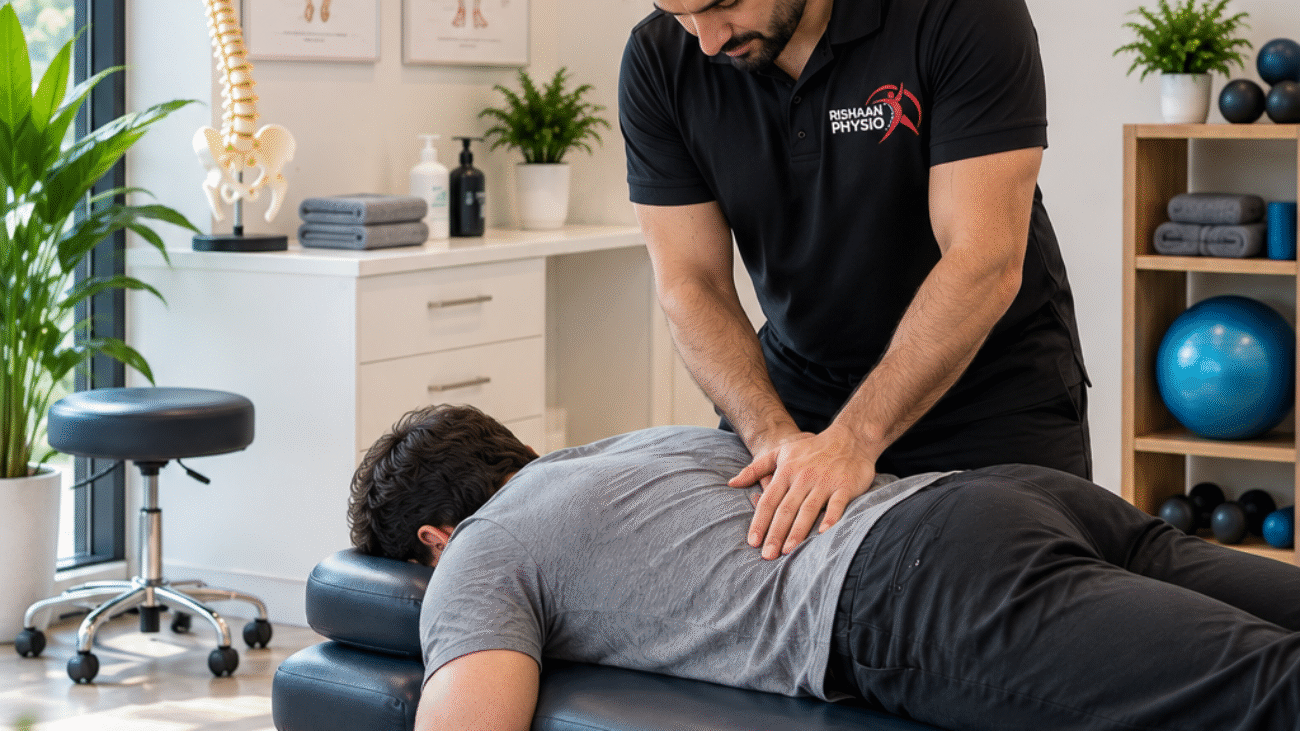
Soft tissue release of the forearm extensors and deep transverse friction massage at the tendon attachment site. This breaks down adhesions, improves local circulation, and prepares the tissue for exercise.

Eccentric and Isometric Exercises

The most evidence-based approach for tendinopathy. Eccentric wrist extension exercises place a controlled load through the degenerating tendon, stimulating collagen production and tissue regeneration. Isometric exercises are used first when pain is more acute.

Shockwave Therapy

For chronic tennis elbow (3+ months), shockwave therapy is highly effective. The acoustic waves stimulate healing in the degenerated tendon tissue and provide lasting pain relief — usually within 3–5 sessions.

IFC (Interferential Current)

Electrical therapy to reduce pain and inflammation at the elbow, improving comfort during the rehabilitation process.

Bracing and Load Management

A counterforce brace worn just below the elbow can reduce stress on the lateral epicondyle during daily activities. Your physiotherapist will advise on when and how to use it.

Recovery Timeline

  • Mild / early tennis elbow: 4–6 weeks
  • Chronic tennis elbow: 3–6 months with consistent rehabilitation

Consistency with your home exercise program is the single biggest factor in how quickly you recover.

Frequently Asked Questions

Does tennis elbow go away on its own?

Mild cases may resolve with rest over several months, but chronic tennis elbow rarely heals without targeted treatment. Without addressing the tendon degeneration through specific loading exercises, the pain often returns.

How does physiotherapy treat tennis elbow?

Physiotherapy uses manual therapy, eccentric strengthening exercises, and shockwave therapy to break the cycle of degeneration and stimulate tendon healing. This addresses the root cause, not just the pain.

How long does tennis elbow take to heal?

Mild cases can resolve in 4–6 weeks with physiotherapy. Chronic cases (3+ months) typically take 3–6 months of consistent rehabilitation. Starting treatment early significantly shortens this timeline.

Is shockwave therapy effective for tennis elbow?

Yes — shockwave therapy is one of the most effective treatments for chronic tennis elbow. Studies show significant pain reduction and improved function in 70–80% of patients who haven’t responded to other treatments.

Can I still use my arm with tennis elbow?

Yes, but with modification. Completely resting the arm is not recommended — the tendon needs controlled loading to heal. Your physiotherapist will guide you on what activities to continue, modify, or temporarily avoid.

Book Tennis Elbow Treatment at Rishaan Physio

Manual therapy + shockwave therapy — at one clinic in Mississauga.

No referral needed  |  Same-day appointments  |  Direct billing

📍 5105 Hurontario St, Unit 7, Mississauga 📞 Call (905)-800-1661

26f1fa40-2ea6-4bc1-9110-dd80bdae4ff8

Hip Pain Physiotherapy in Mississauga — Causes, Diagnosis & Treatment

Hip pain is one of those problems that creeps up gradually — starting as occasional discomfort during a walk or when getting out of a chair, and slowly becoming something that affects every aspect of your day. At Rishaan Physio & Wellness Clinic in Mississauga, we assess and treat hip pain from a wide range of causes — and in many cases, physiotherapy is all that’s needed to restore full function.

Common Causes of Hip Pain

Hip Bursitis (Trochanteric Bursitis)

Bursae are small fluid-filled sacs that cushion the hip joint. When the bursa on the outer side of the hip becomes inflamed — often from repetitive movement, prolonged sitting, or direct pressure — it causes pain on the outside of the hip that can radiate down the thigh. This is one of the most common hip conditions we treat at our Mississauga clinic.

Hip Osteoarthritis

Wear and tear of the cartilage in the hip joint causes pain, stiffness, and reduced range of motion — particularly in the morning or after prolonged sitting. Physiotherapy cannot reverse arthritis, but it can significantly reduce pain, improve strength, and delay the need for surgery.

Labral Tear

The labrum is a ring of cartilage that lines the hip socket. Tears — common in athletes and active individuals — cause deep groin pain, clicking, or a “giving way” sensation in the hip.

IT Band Syndrome

The iliotibial band runs from the hip down to the knee. Tightness in this band causes pain on the outer hip and thigh, especially in runners and cyclists.

Hip Flexor Tightness

Prolonged sitting tightens the hip flexor muscles (iliopsoas), leading to anterior hip pain and reduced walking stride. This is extremely common in office workers and desk-based professionals.

Post-Hip Replacement Rehabilitation

Recovery after hip replacement surgery requires structured physiotherapy to restore strength, range of motion, and safe movement patterns.

How Physiotherapy Treats Hip Pain

Assessment First

Effective hip pain treatment starts with accurately identifying the source of pain. Hip pain can originate from the joint itself, surrounding muscles and tendons, the lumbar spine, or the sacroiliac joint. Our physiotherapists use clinical tests and movement assessments to determine exactly what’s driving your symptoms.

Manual Therapy

Joint mobilization and soft tissue release to reduce pain, improve hip mobility, and address muscle imbalances around the hip and pelvis.

Strengthening Program

Targeted exercises for the glutes, hip abductors, and core — the muscles that support the hip joint. Weakness in these areas is a major driver of both hip pain and injury.

Stretching and Flexibility

Hip flexor, piriformis, and IT band stretches to reduce tension around the joint and improve movement quality.

Gait and Movement Retraining

For patients with abnormal walking patterns that contribute to hip pain, our physiotherapists provide practical retraining to correct these habits and reduce joint load.

When Should I See a Physiotherapist for Hip Pain?

Book an appointment if:

  • Hip pain has lasted more than 2 weeks
  • You’re limping or avoiding certain movements because of pain
  • Pain is waking you up at night
  • You’ve been told you have arthritis and want to manage it conservatively
  • You’ve had hip surgery and need rehabilitation

Frequently Asked Questions

What are the most common causes of hip pain?

The most common causes include hip bursitis, osteoarthritis, labral tears, IT band tightness, and hip flexor tightness from prolonged sitting. A physiotherapy assessment can identify the specific cause and guide the right treatment.

Can physiotherapy fix hip pain without surgery?

In many cases, yes. Conditions like bursitis, IT band syndrome, hip flexor tightness, and even mild-to-moderate arthritis often respond very well to physiotherapy without any surgical intervention.

How long does hip pain take to heal with physiotherapy?

Mild conditions like bursitis or tightness can improve significantly in 4–8 weeks. More complex issues like arthritis or labral tears may require ongoing management over several months.

What exercises help hip pain?

Glute strengthening (clamshells, bridges), hip flexor stretches, and gentle range-of-motion exercises are commonly prescribed. The right exercises depend on your specific diagnosis — your physiotherapist will tailor your program.

Is hip bursitis treated with physiotherapy?

Yes — physiotherapy is the first-line treatment for hip bursitis. Manual therapy, targeted exercises, and activity modification can resolve most cases without injections or surgery.

Book Hip Pain Treatment at Rishaan Physio

Same-day appointments available  |  No referral needed  |  Direct billing

📍 5105 Hurontario St, Unit 7, Mississauga 📞 Call (905)-800-1661

ChatGPT Image Jul 3, 2026, 07_20_06 PM

Shockwave Therapy in Mississauga — What It Is, Who It Helps & What to Expect

If you’ve been dealing with chronic tendon pain or heel pain that just won’t go away — despite rest, stretching, and other treatments — shockwave therapy may be exactly what you need. It’s one of the most effective evidence-based treatments for stubborn musculoskeletal conditions, and it’s available right here at Rishaan Physio & Wellness Clinic in Mississauga.

What Is Shockwave Therapy?

Shockwave therapy — formally called Extracorporeal Shock Wave Therapy (ESWT) — uses high-energy acoustic (sound) waves to penetrate deep into injured tissue. These pulses stimulate the body’s natural healing processes, break down scar tissue and calcium deposits, and increase blood flow to chronically injured areas.

It’s called “shockwave” not because it delivers an electrical shock, but because of the rapid pressure waves it generates. The treatment is non-invasive — no needles, no incisions.

What Conditions Does Shockwave Therapy Treat?

Shockwave therapy is most effective for chronic tendon conditions — problems that have been present for 3 or more months and haven’t fully responded to rest, physio, or other conservative treatments.

  • Plantar fasciitis — chronic heel pain
  • Achilles tendinopathy — pain at the back of the heel
  • Tennis elbow (lateral epicondylitis)
  • Golfer’s elbow (medial epicondylitis)
  • Calcific shoulder — calcium deposits in the rotator cuff
  • Patellar tendinopathy — “jumper’s knee”
  • Greater trochanteric pain syndrome — hip tendon pain

The Science Behind Shockwave Therapy

Chronic tendon injuries don’t heal well on their own because they exist in a state of failed healing — the tissue has degenerated but the body is no longer actively trying to repair it. Shockwave therapy “restarts” the healing process by:

  • Increasing local blood circulation to the injured area
  • Stimulating the production of collagen — the building block of tendon repair
  • Breaking down calcium deposits in calcific tendinopathies
  • Desensitizing pain receptors for immediate pain relief

What Does a Session Feel Like?

During treatment, a handheld device is applied to the skin over the injured area — usually with gel to transmit the waves effectively. You’ll feel a series of rapid tapping or pulsing sensations. Some people describe it as mildly uncomfortable, particularly over areas that are already tender. The intensity is adjustable and your therapist works within your comfort level.

Each session lasts approximately 10–15 minutes. Immediately after, the treated area may feel sore for 24–48 hours — this is a normal part of the healing response being triggered.

How Many Sessions Will I Need?

Most conditions respond well to 3–5 sessions spaced 1 week apart. Some patients notice improvement after the first session; most see significant change after 3. Your physiotherapist will assess your response and adjust the treatment plan accordingly.

Is Shockwave Therapy Covered by Insurance?

Coverage varies by insurance plan. Many extended health plans that cover physiotherapy do include shockwave therapy. Our team at Rishaan Physio can help you check your coverage before starting treatment. Call us at (905)-800-1661 for more information.

Frequently Asked Questions

Does shockwave therapy hurt?

It can feel mildly uncomfortable, especially over already-tender areas. The intensity is adjustable, and most patients tolerate sessions well. There may be 24–48 hours of soreness after treatment, which is a normal healing response.

How many shockwave therapy sessions do I need?

Most conditions respond to 3–5 sessions spaced one week apart. Some patients feel improvement after the first session; most see significant results after 3.

Is shockwave therapy safe?

Yes — shockwave therapy is a well-researched, non-invasive treatment with a strong safety profile. It is not recommended for people with blood clotting disorders, active infections, or certain other conditions. Your physiotherapist will screen you before treatment.

What conditions does shockwave therapy treat?

Shockwave is most effective for chronic tendon conditions including plantar fasciitis, Achilles tendinopathy, tennis elbow, calcific shoulder, and patellar tendinopathy — particularly when other treatments haven’t fully resolved the problem.

Is shockwave therapy covered by insurance in Ontario?

Coverage varies by plan. Many extended health plans that cover physiotherapy also cover shockwave therapy. Call Rishaan Physio at (905)-800-1661 and our team can help verify your coverage.

Book Shockwave Therapy in Mississauga

Chronic pain? Get a shockwave consultation at Rishaan Physio today.

No referral needed  |  Same-day appointments  |  Direct billing

📍 5105 Hurontario St, Unit 7, Mississauga📞 Call (905)-800-1661

ChatGPT Image Jul 1, 2026, 11_40_18 AM

Plantar Fasciitis Treatment in Mississauga — What Works and What Doesn’t

That stabbing pain in your heel the moment you take your first steps in the morning — that’s the hallmark of plantar fasciitis. It’s one of the most common foot conditions we treat at Rishaan Physio & Wellness Clinic in Mississauga, and it affects runners, teachers, retail workers, and anyone who spends long hours on their feet.

The problem is that many people try to “rest it off” — only to find the pain returns the moment they go back to their normal activities. That’s because rest alone doesn’t fix plantar fasciitis. Here’s what actually does.

What Is Plantar Fasciitis?

The plantar fascia is a thick band of connective tissue that runs along the bottom of your foot, connecting your heel bone to your toes. It acts like a bowstring — supporting the arch and absorbing shock when you walk or run.

When this tissue is repeatedly stressed — through overuse, poor footwear, tight calf muscles, or biomechanical issues — it becomes inflamed at the point where it attaches to the heel bone. This is plantar fasciitis.

Typical symptoms include:

  • Sharp heel pain with the first steps in the morning
  • Pain that eases after a few minutes of walking but returns with prolonged activity
  • Tenderness at the base of the heel when pressed
  • Tightness in the Achilles tendon or calf

Why Rest Alone Doesn’t Work

Rest reduces inflammation temporarily — but it doesn’t address why the fascia became irritated in the first place. As soon as you return to activity, the same forces are applied to the same tissue, and the cycle of pain begins again.

The key is to fix the underlying cause: tight calves, weak foot muscles, poor footwear, or abnormal foot mechanics (flat feet or high arches).

What Actually Works: Physiotherapy for Plantar Fasciitis

Manual Therapy

Soft tissue release of the plantar fascia, calf muscles, and Achilles tendon. This reduces tension through the entire posterior chain that contributes to heel pain.

Shockwave Therapy

For chronic plantar fasciitis (lasting more than 3 months), shockwave therapy is one of the most effective treatments available. High-energy acoustic pulses stimulate healing in the damaged tissue and break down calcium deposits. Most patients respond within 3–5 sessions. Learn more about shockwave therapy at Rishaan Physio.

Stretching & Eccentric Loading

Specific calf stretches and eccentric heel drop exercises rebuild strength in the plantar fascia and Achilles tendon — the most evidence-based exercise approach for this condition.

Custom Orthotics

If abnormal foot mechanics (flat feet, overpronation, high arches) are contributing to your plantar fasciitis, custom orthotics can redistribute load away from the heel and dramatically reduce recurrence. Learn about custom orthotics at Rishaan Physio.

Taping

Low-Dye taping provides immediate pain relief by supporting the arch and offloading the plantar fascia. It’s a useful short-term tool while strength and flexibility are being restored.

How Long Does Plantar Fasciitis Take to Heal?

  • Mild / recent onset (under 3 months): 4–8 weeks with physiotherapy
  • Chronic plantar fasciitis (3+ months): 8–16 weeks; shockwave therapy recommended

The longer plantar fasciitis goes untreated, the more resistant it becomes. Don’t wait.

Frequently Asked Questions

What is the fastest way to cure plantar fasciitis?

A combination of physiotherapy, specific stretching, and shockwave therapy (for chronic cases) gives the fastest results. Rest alone is not sufficient — you need to address the underlying tissue damage and biomechanical causes.

Does physiotherapy help plantar fasciitis?

Yes — physiotherapy is highly effective for plantar fasciitis. Manual therapy, eccentric loading exercises, and shockwave therapy address both the pain and the root cause, preventing recurrence.

How long does plantar fasciitis take to heal?

With consistent physiotherapy, most patients see significant improvement in 4–8 weeks. Chronic cases (3+ months) may take 3–4 months and often benefit from shockwave therapy.

Can I walk with plantar fasciitis?

Yes, gentle walking is fine and encouraged. Avoid prolonged standing, running, or walking on hard surfaces without proper footwear. Your physiotherapist will guide you on activity modification.

Is shockwave therapy effective for plantar fasciitis?

Yes — shockwave therapy is one of the most evidence-supported treatments for chronic plantar fasciitis that hasn’t responded to rest and stretching. It stimulates healing in the damaged tissue and provides lasting pain relief in most patients.

Book Plantar Fasciitis Treatment at Rishaan Physio

Shockwave therapy & physiotherapy — at one clinic in Mississauga.

No referral needed  |  Same-day appointments  |  Direct billing

📍 5105 Hurontario St, Unit 7, Mississauga 📞 Call (905)-800-1661

ChatGPT Image Jun 30, 2026, 04_02_28 PM

Helping Mississauga Residents Return to an Active Life with Physiotherapy

Life is meant to be lived in motion. Whether it’s taking a morning walk through your neighborhood, enjoying a weekend bike ride, playing sports with friends, gardening, keeping up with your children or grandchildren, or simply climbing the stairs without discomfort, staying active contributes to both physical and mental well-being. When pain, stiffness, or an injury gets in the way, even these everyday activities can become challenging.

Many people believe pain is a normal part of aging or assume it will disappear on its own with enough rest. While this may be true for minor aches, persistent pain often indicates an underlying issue that needs professional attention. Ignoring it can lead to reduced mobility, recurring injuries, and a decline in your overall quality of life.

Physiotherapy offers a safe, evidence-based approach to treating pain, restoring movement, and improving strength. Instead of only focusing on symptoms, physiotherapy addresses the root cause of the problem to help you recover effectively and prevent future injuries.

At Rishaan Physio, we are committed to helping Mississauga residents regain their mobility and confidence through personalized physiotherapy care. Whether you’re recovering from an injury, managing a chronic condition, or looking to improve your physical function, our goal is to help you move comfortably and return to the activities that matter most.

This guide explains how physiotherapy supports recovery, who can benefit from treatment, and why taking action early can make a significant difference in your health and lifestyle.


Why Staying Active Matters

Regular physical activity is essential for maintaining good health at every stage of life. Movement keeps your muscles strong, supports healthy joints, improves circulation, enhances balance, and contributes to better mental health. It also helps reduce the risk of chronic conditions such as heart disease, diabetes, osteoporosis, and obesity.

Beyond the physical benefits, staying active allows you to enjoy life’s simple pleasures. Whether it’s travelling, participating in recreational sports, walking your dog, dancing, or spending quality time with family, good mobility gives you the freedom to live independently and confidently.

However, pain and limited mobility often discourage people from remaining active. Many begin avoiding activities they once enjoyed because they fear making their condition worse. Over time, reduced movement can weaken muscles, increase joint stiffness, and create a cycle that makes recovery even more difficult.

Physiotherapy helps break this cycle by restoring movement, reducing discomfort, and gradually rebuilding your confidence.


Common Conditions That Can Affect Your Mobility

People visit physiotherapy clinics for many different reasons. Some recover from sudden injuries, while others seek help for pain that has developed over months or years.

At Rishaan Physio, we commonly help patients experiencing:

Back Pain

Back pain is one of the most common reasons people seek physiotherapy. Poor posture, prolonged sitting, heavy lifting, muscle strains, or disc-related issues can all contribute to discomfort. Physiotherapy focuses on reducing pain while improving posture, flexibility, and core strength to support long-term recovery.

Neck Pain

Spending long hours at a computer or looking down at mobile devices can place significant stress on the neck. Whiplash injuries, muscle tension, and poor posture are also common causes. Treatment aims to improve mobility, reduce stiffness, and restore normal movement.

Shoulder Pain

Shoulder pain can make simple activities like reaching overhead, lifting groceries, or getting dressed uncomfortable. Conditions such as rotator cuff injuries, frozen shoulder, and shoulder impingement often respond well to physiotherapy.

Knee Pain

Whether caused by arthritis, sports injuries, ligament problems, or overuse, knee pain can affect walking, climbing stairs, and exercise. Rehabilitation strengthens the muscles around the knee while improving joint stability and flexibility.

Sports Injuries

Athletes and active individuals commonly experience muscle strains, ligament sprains, tendon injuries, and repetitive stress injuries. Physiotherapy helps reduce recovery time while preparing the body for a safe return to physical activity.

Arthritis

Although arthritis cannot be cured, physiotherapy plays an important role in managing pain, maintaining joint mobility, improving strength, and helping patients stay active despite their condition.

Sciatica

Sciatica occurs when irritation of the sciatic nerve causes pain that travels from the lower back into the leg. Physiotherapy helps reduce nerve irritation while improving spinal mobility and strengthening supporting muscles.

Post-Surgical Rehabilitation

Recovering after orthopedic surgery often requires structured rehabilitation to restore movement, strength, and confidence. Physiotherapy guides patients safely through each stage of recovery.


Signs You Should Consider Physiotherapy

Not every ache requires medical treatment, but certain symptoms shouldn’t be ignored.

You may benefit from physiotherapy if you experience:

  • Pain lasting longer than a week
  • Difficulty walking or climbing stairs
  • Limited range of motion
  • Joint stiffness
  • Muscle weakness
  • Swelling around a joint
  • Frequent sprains or strains
  • Pain during exercise
  • Difficulty performing daily activities
  • Poor balance or frequent falls

Seeking treatment early often leads to better outcomes and may prevent your condition from becoming more serious.


How Physiotherapy Helps You Return to an Active Life

Physiotherapy is much more than exercise. It combines clinical assessment, hands-on treatment, education, and rehabilitation to help your body recover naturally.

At Rishaan Physio, every patient’s journey begins with a comprehensive assessment. Your physiotherapist takes the time to understand your symptoms, medical history, daily activities, and personal goals before creating a customized treatment plan.

Treatment may include:

Manual Therapy

Hands-on techniques help improve joint movement, reduce muscle tension, relieve stiffness, and decrease pain.

Therapeutic Exercise

Targeted exercises strengthen weak muscles, improve flexibility, and restore balance. As your recovery progresses, exercises become more challenging to match your improving abilities.

Posture Education

Poor posture often contributes to neck, shoulder, and back pain. Learning healthier movement habits can significantly reduce strain on your body.

Balance and Coordination Training

Improving balance helps reduce the risk of falls and supports confidence during daily activities, especially for older adults.

Functional Rehabilitation

Instead of focusing only on isolated muscles, physiotherapy prepares your body for real-life movements such as walking, lifting, reaching, climbing stairs, and returning to work or recreational activities.


Every Recovery Journey Is Different

No two people recover in exactly the same way. Factors such as age, overall health, lifestyle, occupation, and the severity of the condition all influence the healing process.

That’s why personalized care is so important.

At Rishaan Physio, treatment plans are regularly adjusted as your recovery progresses. We monitor your improvement, celebrate your milestones, and modify exercises to ensure you’re continually moving toward your goals.

Whether your goal is returning to the gym, playing sports again, walking comfortably without pain, or simply enjoying daily life with greater ease, your rehabilitation program is designed around what matters most to you.


The Importance of Early Treatment

Many people wait weeks or even months before seeking professional care, hoping the pain will resolve on its own. Unfortunately, delaying treatment can sometimes lead to chronic pain, reduced mobility, muscle weakness, and longer recovery times.

Early physiotherapy can help:

Staying Active During Your Recovery

Recovering from an injury or managing chronic pain doesn’t always mean you have to stop moving completely. In fact, staying active in the right way can often support healing and improve recovery outcomes. The key is to choose activities that are appropriate for your condition and follow the guidance of your physiotherapist.

At Rishaan Physio, we create rehabilitation programs that help you stay active while protecting the injured area. As your recovery progresses, your exercises are gradually adjusted to rebuild strength, flexibility, and endurance without placing unnecessary stress on your body.

Simple low-impact activities such as walking, gentle stretching, swimming, or stationary cycling may be recommended depending on your condition. These activities help maintain joint mobility, improve circulation, and prevent muscle weakness while allowing your body to heal.

Most importantly, listen to your body. Mild muscle soreness after exercise can be normal, but sharp or worsening pain is a sign to stop and seek professional advice. A balanced recovery plan combines movement with adequate rest, proper nutrition, hydration, and good sleep habits to support your body’s natural healing process.


Small Lifestyle Changes Can Make a Big Difference

Many musculoskeletal problems develop because of everyday habits rather than a single injury. Fortunately, making a few simple lifestyle changes can help reduce pain, improve mobility, and lower the risk of future problems.

Here are some healthy habits worth adopting:

  • Stay physically active throughout the week.
  • Take regular breaks if you sit for long periods.
  • Practice good posture while working or using digital devices.
  • Stretch before and after physical activity.
  • Strengthen your core muscles to support your back.
  • Wear supportive footwear during exercise.
  • Lift heavy objects using proper body mechanics.
  • Maintain a healthy weight to reduce stress on your joints.
  • Stay hydrated and eat a balanced diet to support muscle recovery.
  • Prioritize quality sleep to allow your body time to repair itself.

These small changes, combined with personalized physiotherapy, can make a noticeable difference in how you move and feel every day.


Helping Mississauga Residents Return to an Active Life

At Rishaan Physio, our mission goes beyond treating pain. We believe everyone deserves the opportunity to enjoy an active, independent, and fulfilling life. Whether your goal is to return to sports, keep up with your family, walk comfortably through your neighbourhood, or simply complete everyday tasks without discomfort, we are here to support you every step of the way.

Our physiotherapists take the time to understand your lifestyle, listen to your concerns, and create a treatment plan tailored to your specific needs. We focus on helping you recover safely while giving you the knowledge and confidence to maintain your progress long after your treatment is complete.

We proudly support people from all walks of life, including:

  • Office workers experiencing neck and back pain
  • Athletes recovering from sports injuries
  • Seniors looking to improve mobility and balance
  • Individuals recovering after surgery
  • People managing arthritis or chronic pain
  • Workers recovering from repetitive strain injuries
  • Anyone looking to improve their overall movement and physical function

Every recovery journey is unique, and we are committed to helping you achieve your personal goals at a pace that is right for you.


Why Choose Rishaan Physio?

Choosing the right physiotherapy clinic is an important step in your recovery. At Rishaan Physio, we focus on providing patient-centered care that supports both your short-term recovery and long-term well-being.

When you visit Rishaan Physio, you can expect:

  • Personalized treatment plans based on your individual needs
  • Thorough assessments to identify the root cause of your condition
  • One-on-one care from experienced physiotherapists
  • Evidence-informed treatment techniques
  • Rehabilitation programs designed around your lifestyle and goals
  • Education to help prevent future injuries
  • A welcoming and supportive environment where your progress matters

Our goal isn’t just to help you recover from pain. We want to help you move with confidence, regain your independence, and enjoy an active lifestyle again.


Frequently Asked Questions (FAQs)

1. Who can benefit from physiotherapy?

Physiotherapy is suitable for people of all ages. Whether you’re recovering from an injury, managing chronic pain, healing after surgery, or experiencing mobility challenges, physiotherapy can help improve movement, reduce pain, and restore function.

2. Do I need a doctor’s referral to book a physiotherapy appointment?

In many cases, you can book an appointment directly with a physiotherapist. However, some extended health insurance providers may require a referral for reimbursement. It’s always a good idea to check with your insurance provider beforehand.

3. How many physiotherapy sessions will I need?

The number of sessions depends on your condition, recovery goals, and how your body responds to treatment. After your initial assessment, your physiotherapist will discuss a treatment plan and provide an estimate of the recommended number of visits.

4. Can physiotherapy help with chronic pain?

Yes. Physiotherapy can help manage chronic pain by improving strength, flexibility, posture, joint mobility, and movement patterns. Treatment focuses on reducing pain while improving your ability to perform daily activities.

5. Is physiotherapy only for sports injuries?

No. While physiotherapy is commonly used for sports injuries, it also helps people recovering from surgery, managing arthritis, treating workplace injuries, improving balance, and addressing back, neck, knee, and shoulder pain.

6. When should I see a physiotherapist?

You should consider seeing a physiotherapist if pain persists for more than a few days, limits your daily activities, affects your mobility, or continues to return during physical activity. Early treatment often leads to better outcomes.

7. What should I wear to my physiotherapy appointment?

Wear comfortable clothing that allows easy movement and provides access to the area being treated. Athletic wear or loose-fitting clothing is usually the best choice.

8. Can physiotherapy help prevent future injuries?

Absolutely. Physiotherapy identifies muscle imbalances, movement restrictions, and poor movement patterns that may increase your risk of injury. Treatment includes education and exercises designed to help prevent future problems.

9. Will my treatment plan be personalized?

Yes. Every patient receives an individualized assessment and treatment plan based on their condition, lifestyle, activity level, and personal goals.

10. Why choose Rishaan Physio in Mississauga?

Rishaan Physio provides personalized physiotherapy care focused on helping patients reduce pain, restore mobility, improve strength, and return to the activities they enjoy. Our team is committed to supporting your recovery with compassionate, evidence-informed care.


Conclusion

Living with pain or limited mobility can affect every part of your daily life, from work and exercise to spending time with family and enjoying your favorite hobbies. The good news is that you don’t have to face these challenges alone.

With personalized physiotherapy, the right rehabilitation plan, and ongoing support, it’s possible to reduce pain, restore movement, and regain the confidence to stay active. Whether you’re recovering from an injury, managing a long-term condition, or simply looking to move more comfortably, taking the first step toward treatment can make a lasting difference.

At Rishaan Physio, we’re proud to help Mississauga residents return to an active life through personalized care that focuses on your unique goals and needs. We’re here to support your recovery, celebrate your progress, and help you get back to doing the things you love.

Book your appointment with Rishaan Physio today and take the next step toward moving better, feeling stronger, and living a healthier, more active life.

4283af69-b019-4844-bbca-3c75246b2885

Sports Injury Recovery in Mississauga: How Physiotherapy Gets You Back in the Game

Sports and physical activities are an important part of a healthy lifestyle. Whether you enjoy running, cycling, playing hockey, soccer, basketball, tennis, or working out at the gym, staying active helps improve your physical and mental well-being. However, with an active lifestyle comes the possibility of injuries that can interrupt your routine and keep you away from doing what you love.

A sports injury doesn’t just affect athletes. It can happen to anyone, from professional competitors and weekend warriors to people who exercise to stay fit. Even a seemingly minor injury can become a long-term problem if it isn’t treated properly. Pain, swelling, stiffness, and limited mobility can make everyday tasks difficult, while returning to sports too early may increase the risk of re-injury.

The good news is that most sports injuries respond well to physiotherapy. With the right treatment, guided rehabilitation, and personalized exercise program, you can recover safely, regain your strength, and return to your sport with confidence.

At Rishaan Physio, we believe recovery is about much more than relieving pain. Our goal is to identify the root cause of your injury, restore normal movement, improve strength and flexibility, and help you prevent future injuries. Every patient receives an individualized treatment plan based on their condition, activity level, and recovery goals.

If you’re looking for trusted Sports Injury Recovery in Mississauga, this guide explains how physiotherapy supports every stage of recovery and why professional rehabilitation plays such an important role in helping you get back in the game.


What Is a Sports Injury?

A sports injury is any injury that affects the muscles, ligaments, tendons, joints, or bones during physical activity. While some injuries happen suddenly due to a fall or collision, others develop gradually from repetitive movements or overuse.

Sports injuries can affect people of all ages and fitness levels. Whether you’re training for a marathon, playing recreational soccer, lifting weights, or simply going for a morning jog, improper movement, muscle imbalances, or overtraining can lead to pain and injury.

Sports injuries are generally divided into two categories:

Acute Injuries

Acute injuries occur suddenly during activity and usually involve immediate pain or swelling.

Examples include:

  • Ankle sprains
  • Knee ligament injuries
  • Shoulder dislocations
  • Muscle tears
  • Fractures

Overuse Injuries

Overuse injuries develop slowly because of repetitive stress placed on muscles, joints, or tendons.

Common examples include:

  • Tennis elbow
  • Golfer’s elbow
  • Runner’s knee
  • Achilles tendinitis
  • Shin splints
  • Rotator cuff tendinopathy

Many people continue exercising despite early symptoms, allowing the injury to worsen over time.


Common Sports Injuries We Treat

At Rishaan Physio, our experienced physiotherapists help patients recover from a wide range of sports-related injuries, including:

  • Sprained ankles
  • ACL and MCL injuries
  • Meniscus tears
  • Runner’s knee
  • Hamstring strains
  • Quadriceps injuries
  • Tennis elbow
  • Golfer’s elbow
  • Rotator cuff injuries
  • Frozen shoulder
  • Shoulder impingement
  • Hip pain
  • Shin splints
  • Achilles tendinitis
  • Plantar fasciitis
  • Muscle strains
  • Tendon injuries
  • Ligament injuries

Every injury is unique, which is why we develop personalized treatment plans rather than following a one-size-fits-all approach.


Why Do Sports Injuries Happen?

Sports injuries can happen for several reasons, and understanding the cause is the first step toward effective treatment.

Poor Warm-Up

Cold muscles are less flexible and more likely to become strained during physical activity. A proper warm-up prepares your body for movement and reduces the risk of injury.

Overtraining

Exercising too often without enough recovery time puts excessive stress on your muscles and joints, leading to overuse injuries.

Muscle Weakness

Weak muscles are unable to properly support your joints, increasing the chances of strains, sprains, and instability.

Incorrect Technique

Poor posture, improper lifting mechanics, or incorrect sports techniques can place unnecessary stress on certain areas of the body.

Previous Injuries

Returning to sports before fully recovering often causes recurring injuries because the affected muscles haven’t regained their full strength.

Inadequate Recovery

Lack of sleep, poor nutrition, dehydration, and insufficient rest slow down the body’s natural healing process.

At Rishaan Physio, we don’t just focus on treating symptoms. We identify the underlying causes of your injury to reduce the risk of future problems.


Signs You Should See a Physiotherapist

Many people assume pain will disappear with rest, but ignoring an injury can delay recovery and make the condition worse.

Consider booking a physiotherapy appointment if you experience:

  • Pain lasting more than a few days
  • Swelling around a joint
  • Difficulty walking or running
  • Limited range of motion
  • Muscle weakness
  • Joint instability
  • Pain during exercise
  • Repeated injuries
  • Difficulty performing daily activities

Early treatment often leads to quicker recovery and better long-term outcomes.


How Physiotherapy Helps You Recover Faster

One of the biggest benefits of physiotherapy is that it focuses on treating the root cause of your injury instead of simply masking pain with medication.

Your physiotherapist will begin with a detailed assessment to understand your injury, movement patterns, strength, flexibility, posture, and recovery goals.

Based on this assessment, a personalized rehabilitation program is created specifically for you.

Treatment may include:

  • Manual therapy
  • Joint mobilization
  • Soft tissue massage
  • Therapeutic exercises
  • Stretching programs
  • Strength training
  • Balance and coordination exercises
  • Sports-specific rehabilitation
  • Posture correction
  • Education on injury prevention

Each treatment plan is designed to reduce pain, improve movement, restore muscle strength, and prepare your body for a safe return to physical activity.


The Benefits of Sports Physiotherapy

Sports physiotherapy offers much more than pain relief. It helps you recover safely while improving your overall physical performance.

Some of the key benefits include:

  • Faster recovery from injuries
  • Reduced pain and inflammation
  • Improved flexibility and mobility
  • Increased muscle strength
  • Better balance and coordination
  • Lower risk of future injuries
  • Enhanced athletic performance
  • Improved confidence when returning to sports

Whether you’re recovering from a recent injury or managing a long-standing condition, physiotherapy helps you move better and perform at your best. Your Recovery Journey at Rishaan Physio

Recovering from a sports injury isn’t just about waiting for the pain to go away. A successful recovery requires a structured rehabilitation plan that restores your body’s strength, flexibility, balance, and confidence. At Rishaan Physio, we guide you through every stage of recovery with personalized care tailored to your lifestyle and fitness goals.

Step 1: Comprehensive Assessment

Your first appointment begins with a detailed assessment. Our physiotherapist will discuss your symptoms, how the injury occurred, your medical history, and your activity level. We also evaluate your posture, joint mobility, muscle strength, flexibility, balance, and movement patterns to understand the root cause of your injury.

This thorough assessment helps us create a rehabilitation plan that’s designed specifically for you rather than relying on a generic treatment approach.

Step 2: Pain and Inflammation Management

Pain and swelling can make even simple movements uncomfortable. During the early stages of recovery, the focus is on reducing inflammation and improving comfort while protecting the injured area.

Depending on your condition, treatment may include:

  • Manual therapy
  • Joint mobilization
  • Soft tissue release
  • Therapeutic taping
  • Guided stretching
  • Heat or cold therapy
  • Electrotherapy, when appropriate

These treatments help improve circulation, reduce muscle tension, and support your body’s natural healing process.

Step 3: Restoring Strength and Mobility

As your pain begins to improve, rehabilitation shifts toward rebuilding muscle strength and restoring normal movement.

Your physiotherapist will guide you through progressive exercises that target the injured area while also strengthening the surrounding muscles. This not only improves stability but also reduces stress on the affected joint or muscle.

The program may include:

  • Strength training
  • Flexibility exercises
  • Core stabilization
  • Balance training
  • Functional movement exercises
  • Sport-specific drills

Every exercise is carefully selected based on your recovery stage to ensure safe and steady progress.

Step 4: Safe Return to Sports

One of the biggest mistakes people make is returning to sports before their body is fully ready. Even if the pain has gone away, the muscles, tendons, and ligaments may still need time to regain their strength.

Before clearing you to return to your sport, your physiotherapist will assess:

  • Strength
  • Balance
  • Endurance
  • Coordination
  • Flexibility
  • Sport-specific movement patterns

Our goal is to ensure you return with confidence while minimizing the risk of re-injury.


Preventing Future Sports Injuries

While injuries can’t always be avoided, many can be prevented with the right habits and preparation.

Here are some simple yet effective ways to reduce your risk of injury:

Always Warm Up

Spend at least 10 to 15 minutes warming up before any physical activity. Dynamic stretches and light cardio prepare your muscles and joints for exercise.

Build Strength Gradually

Avoid increasing workout intensity too quickly. Gradually progressing your training allows your body to adapt safely.

Focus on Proper Technique

Using correct form during sports and exercise reduces unnecessary stress on your muscles and joints. If you’re unsure about your technique, seek professional guidance.

Listen to Your Body

Pain is your body’s way of telling you something isn’t right. Don’t ignore persistent discomfort or try to push through an injury.

Stay Flexible

Regular stretching improves mobility and helps reduce muscle tightness, lowering your risk of strains and other injuries.

Prioritize Recovery

Recovery is just as important as training. Adequate sleep, hydration, proper nutrition, and rest days all contribute to better performance and injury prevention.


Why Choose Rishaan Physio?

At Rishaan Physio, we know that no two injuries or patients are alike. That’s why we take a personalized approach to every treatment plan, focusing not only on relieving pain but also on helping you regain your confidence and return to the activities you enjoy.

When you choose Rishaan Physio, you can expect:

  • Experienced and compassionate physiotherapists
  • One-on-one personalized treatment sessions
  • Evidence-based rehabilitation techniques
  • Customized exercise programs
  • Modern treatment methods
  • Patient education and injury prevention advice
  • Ongoing support throughout your recovery

Whether you’re recovering from a recent sports injury or dealing with persistent pain that’s affecting your performance, our team is committed to helping you achieve long-term results.


Frequently Asked Questions

How long does sports injury recovery take?

Recovery depends on the severity of the injury and your overall health. Mild injuries may heal within a few weeks, while more serious conditions can take several months. Following your physiotherapist’s advice and rehabilitation program can help speed up recovery.

Can physiotherapy help without surgery?

Yes. Many sports injuries respond very well to physiotherapy. Personalized rehabilitation can reduce pain, improve function, and help many patients avoid surgery whenever possible.

Do I need a referral to see a physiotherapist in Mississauga?

In most cases, you can book an appointment directly without a doctor’s referral. However, some insurance providers may require one for reimbursement.

Can I continue exercising during treatment?

Depending on your injury, your physiotherapist may recommend modified exercises or low-impact activities to help maintain your fitness while protecting the injured area.

What sports injuries do you treat?

We commonly treat ankle sprains, ACL injuries, muscle strains, rotator cuff injuries, tennis elbow, runner’s knee, shin splints, Achilles tendinitis, plantar fasciitis, shoulder injuries, and many other sports-related conditions.

How can I reduce my risk of future injuries?

Following a proper warm-up routine, strengthening your muscles, improving flexibility, using correct technique, and allowing enough recovery time between workouts can significantly reduce your risk of injury.


Final Thoughts

A sports injury doesn’t have to stop you from living an active and healthy life. With early diagnosis, expert physiotherapy, and a personalized rehabilitation program, you can recover safely and return to your favorite activities with greater strength and confidence.

At Rishaan Physio, we’re passionate about helping our patients move better, feel stronger, and perform at their best. Whether you’re recovering from a recent injury or managing a long-term condition, our experienced team is here to support you every step of the way.

Don’t let pain keep you on the sidelines. Book your appointment with Rishaan Physio today and take the first step toward a safe, effective, and lasting recovery.

ChatGPT Image Jul 30, 2026, 05_56_01 PM

Frozen Shoulder Treatment in Mississauga — Stages, Symptoms & Physiotherapy

If you’ve been waking up at night with shoulder pain, struggling to reach behind your back, or finding it impossible to lift your arm above shoulder height — you may have frozen shoulder. It’s one of the most painful and misunderstood conditions our physiotherapists treat at Rishaan Physio & Wellness Clinic in Mississauga.

The frustrating reality is that many people with frozen shoulder are told to “wait it out.” And while frozen shoulder does eventually resolve on its own, it can take 2–3 years without treatment. Physiotherapy can cut that timeline dramatically.

What Is Frozen Shoulder?

Frozen shoulder — medically called adhesive capsulitis — is a condition where the capsule surrounding the shoulder joint becomes inflamed, thickened, and then forms scar tissue (adhesions). This shrinks the space inside the joint and restricts movement — sometimes severely.

It’s most common in people aged 40–60, and is more prevalent in women. People with diabetes, thyroid disorders, or those who’ve had a period of shoulder immobility (due to injury or surgery) are at higher risk.

The 3 Stages of Frozen Shoulder

Stage 1 — Freezing (2–9 months)

Pain gradually increases, especially at night. Movement becomes more restricted as inflammation builds up inside the joint capsule. This is often the most painful stage.

Stage 2 — Frozen (4–12 months)

Pain may slightly reduce, but stiffness is at its worst. The shoulder is significantly limited in all directions. Daily tasks — dressing, reaching, driving — become very difficult.

Stage 3 — Thawing (5–24 months)

Movement slowly begins to return. Without physiotherapy, this stage can drag on for years. With physiotherapy, the thawing stage is accelerated and patients often regain full function in a fraction of the time.

How Physiotherapy Treats Frozen Shoulder

Treatment at each stage is different. Our Mississauga physiotherapists tailor the approach based on which stage you’re in.

Manual Therapy & Joint Mobilization

Skilled hands-on techniques to gently stretch the capsule, break down adhesions, and restore movement to the joint. Grade III and IV mobilizations are particularly effective in the frozen and thawing stages.

Guided Stretching Program

Specific stretches that target the tight capsule — anterior, posterior, and inferior. These are carefully progressed so they don’t aggravate inflammation.

Heat Therapy

Applied before manual therapy sessions to warm the tissues, making mobilization more comfortable and effective.

Home Exercise Program

Pendulum exercises, wall walks, and cross-body stretches are assigned as home exercises to maintain progress between sessions. Consistency at home is critical to recovery.

Pain Management in the Freezing Stage

During the most painful early stage, aggressive mobilization can worsen inflammation. Our physiotherapists use gentler techniques, IFC therapy, and positioning advice to manage pain while slowly maintaining range of motion.

Frozen Shoulder vs. Rotator Cuff Tear — How to Tell the Difference

Both cause shoulder pain and limited movement, but they require different treatment. The key difference: with a rotator cuff tear, passive movement (where the therapist moves your arm for you) is often preserved. With frozen shoulder, all movement is restricted — both active and passive. A physiotherapy assessment can reliably distinguish between the two without imaging.

How Long Does Recovery Take with Physiotherapy?

  • With physiotherapy: Most patients regain functional movement in 3–6 months
  • Without physiotherapy: 2–3 years for natural resolution — often with incomplete recovery

Early intervention in the freezing stage gives the best outcomes. If you’re in the frozen or thawing stage, it’s never too late to start.

Frequently Asked Questions

Does physiotherapy help frozen shoulder?

Yes — physiotherapy is the most effective non-surgical treatment for frozen shoulder. Manual therapy and guided stretching can significantly reduce the duration of the condition and restore full range of motion faster than waiting for natural resolution.

How long does frozen shoulder last without treatment?

Without treatment, frozen shoulder typically lasts 2–3 years and may resolve incompletely. With physiotherapy, most patients regain functional movement within 3–6 months.

Can frozen shoulder come back after treatment?

Recurrence in the same shoulder is rare once fully resolved. However, approximately 20–30% of people develop frozen shoulder in the opposite shoulder at some point. Maintaining shoulder mobility and managing risk factors (like diabetes) reduces this risk.

What exercises should I avoid with frozen shoulder?

Avoid any exercises that cause sharp or severe pain — forcing range of motion can worsen inflammation, especially in the freezing stage. Your physiotherapist will prescribe the right exercises for your specific stage.

Is frozen shoulder covered by insurance in Ontario?

Yes — physiotherapy for frozen shoulder is covered by most extended health insurance plans in Ontario. Rishaan Physio offers direct billing so there’s no upfront cost to you.

b52cce04-579b-489d-aee2-04189ca5cb66

Sciatica Treatment in Mississauga — How Physiotherapy Relieves Nerve Pain

That sharp, burning pain that shoots from your lower back all the way down your leg — that’s sciatica. And if you’ve been living with it, you know how much it limits daily life. Walking hurts. Sitting hurts. Even lying down can be uncomfortable.

The good news? Sciatica responds very well to physiotherapy. At Rishaan Physio & Wellness Clinic in Mississauga, our registered physiotherapists treat sciatica every day — and most patients see significant improvement within a few weeks of starting treatment.

What Is Sciatica?

Sciatica refers to pain that travels along the path of the sciatic nerve — the longest nerve in the body — running from your lower back through your hips, buttocks, and down each leg. It almost always affects only one side of the body.

Most people describe the pain as:

  • A sharp, shooting, or burning sensation down the leg
  • Numbness or tingling in the foot or toes
  • Weakness in the affected leg
  • Pain that worsens when sitting for long periods
  • A constant ache in one side of the lower back

What Causes Sciatica?

Herniated or Bulging Disc

The most common cause. When a spinal disc bulges or ruptures, it can press directly on the sciatic nerve — especially common in people aged 30–50.

Spinal Stenosis

A narrowing of the spinal canal that puts pressure on the nerves. More common in older adults.

Piriformis Syndrome

The piriformis muscle in the buttocks can irritate the sciatic nerve when it becomes tight or spasms — causing sciatica-like pain that originates from the hip, not the spine.

Prolonged Sitting / Poor Posture

Long hours at a desk or in the car place uneven load on the lower back and can aggravate the sciatic nerve over time.

Why Sciatica Doesn’t Just “Go Away” on Its Own

Many people wait it out — hoping the pain disappears by itself. Some mild cases do settle with rest, but most don’t. Without addressing the cause of nerve compression, pain returns — often worse. The longer sciatica goes untreated, the more surrounding muscles weaken and posture deteriorates.

How Physiotherapy Treats Sciatica

At Rishaan Physio in Mississauga, our physiotherapists start with a thorough assessment to identify the exact cause and location of your nerve compression. Every plan is personalized.

Manual Therapy

Hands-on spinal mobilization to reduce pressure on the sciatic nerve and restore range of motion.

Neural Flossing (Nerve Mobilization)

Specialized techniques that gently move the nerve through surrounding tissue, reducing tension and improving nerve function.

Core Strengthening

A weak core puts extra load on the lower back. Targeted deep core exercises protect the spine and prevent re-irritation of the nerve.

Postural Correction

Practical guidance on ergonomics and body mechanics so you’re not re-compressing the nerve throughout your day.

IFC / TENS Therapy

Electrical modalities to reduce inflammation around the irritated nerve and manage pain during your recovery.

Recovery Timeline

  • Mild sciatica (recent onset): 4–6 weeks
  • Moderate sciatica: 6–12 weeks
  • Chronic / severe sciatica: 3–6 months

The earlier you start, the faster and more complete your recovery.

Frequently Asked Questions

Does physiotherapy actually help sciatica?

Yes — physiotherapy is one of the most evidence-supported treatments for sciatica. It addresses root-cause nerve compression through manual therapy, exercise, and posture correction. Most patients see significant improvement within 4–8 weeks.

How long does sciatica take to heal with physiotherapy?

Mild cases resolve in 4–6 weeks. Chronic or severe cases can take 3–6 months. Starting treatment early greatly reduces recovery time.

Should I rest or stay active with sciatica?

Stay gently active. Complete bed rest is no longer recommended — movement keeps the spine healthy. Your physiotherapist will guide you on what to avoid while you heal.

What causes sciatica to flare up?

Common triggers: prolonged sitting, sudden bending, sneezing, and activities that compress the lower spine. Your physiotherapist can help identify your specific triggers.

Is sciatica treatment covered by insurance in Ontario?

Yes — most extended health plans cover physiotherapy. Rishaan Physio direct bills most major insurers. WSIB coverage is also available for workplace injuries.Book Sciatica Treatment at Rishaan Physio

No referral needed  |  Same-day appointments  |  Direct billing to insurance

📍 5105 Hurontario St, Unit 7, Mississauga 📞 Call (905)-800-1661

Rishaan physio 2

Shoulder Pain Physiotherapy in Mississauga — What’s Causing It and How to Fix It

Shoulder pain is one of the most common reasons people visit a physiotherapy clinic in Mississauga.

It shows up in runners, gym-goers, office workers, and people who have never played a sport in their life. The shoulder is the most mobile joint in your body — and that mobility comes with a price. When something goes wrong, it affects almost everything you do.

Reaching overhead. Sleeping on your side. Lifting groceries. Putting on a jacket.

If shoulder pain is limiting your daily life, this guide explains what is likely happening — and how shoulder pain physiotherapy in Mississauga can help you recover fully.


Why Shoulder Pain Is So Common

The shoulder is not a simple hinge joint like the knee. It is a ball-and-socket joint held in place almost entirely by soft tissue — muscles, tendons, and ligaments. This gives it an enormous range of motion. It also makes it vulnerable.

Any weakness, tightness, or imbalance in the surrounding muscles puts extra stress on the joint. Over time, that stress causes pain, inflammation, and damage to the soft tissue structures inside.

The shoulder works as a system

Your shoulder does not work in isolation. It connects to your neck, your upper back, your chest, and your core. A stiff thoracic spine, tight chest muscles, or weak rotator cuff muscles can all contribute to shoulder pain — even if none of them hurt directly.

This is why treating only the spot that hurts rarely works long-term. Shoulder pain physiotherapy looks at the whole system, not just the painful area.


Common Causes of Shoulder Pain

Rotator Cuff Injuries

The rotator cuff is a group of four muscles that hold your upper arm bone in the shoulder socket and control rotation. These muscles are involved in almost every shoulder movement — and they are the most commonly injured structure in the shoulder.

Rotator cuff injuries include strains, partial tears, and full tears. They are common in people who do repetitive overhead work, throw, swim, or lift weights. They also happen with age — the tendons become less resilient over time and can tear even without a specific incident.

Symptoms include pain at the front or side of the shoulder, weakness with lifting or rotation, and disturbed sleep from lying on the affected side.

Shoulder Impingement Syndrome

Impingement happens when the tendons of the rotator cuff get pinched between the bones of the shoulder during arm movement. It causes sharp pain when lifting the arm to the side or overhead — often described as a painful arc between 60 and 120 degrees of elevation.

It is extremely common in desk workers with rounded posture, swimmers, tennis and baseball players, and anyone who regularly works with their arms at or above shoulder height.

Frozen Shoulder (Adhesive Capsulitis)

Frozen shoulder is a condition where the joint capsule — the connective tissue surrounding the shoulder — becomes inflamed and then thickens and tightens. Movement becomes progressively more restricted and painful.

It develops in three stages: freezing (painful), frozen (stiff), and thawing (gradual recovery). Without treatment, each stage can last months. Physiotherapy significantly speeds up recovery and reduces pain throughout the process.

Frozen shoulder is more common in people over 40, people with diabetes, and those who have kept their arm immobile after an injury.

AC Joint Injuries

The acromioclavicular (AC) joint sits at the top of the shoulder where the collarbone meets the shoulder blade. It is commonly injured in contact sports, falls onto an outstretched hand, or direct impacts — such as a car accident or a fall from a bike.

AC joint injuries cause pain and swelling at the top of the shoulder, with tenderness directly over the joint. Mild to moderate AC joint injuries respond very well to physiotherapy.

Bicep Tendon Irritation

The long head of the bicep tendon runs through the shoulder joint and attaches near the top of the socket. Overuse, repetitive lifting, or rotator cuff problems can cause this tendon to become inflamed and painful.

Pain is felt at the front of the shoulder and often radiates down the arm. It is common in gym-goers, manual workers, and overhead athletes.


How Shoulder Pain Physiotherapy Works in Mississauga

A registered physiotherapist does not just treat where it hurts. They find out why it hurts.

Your first appointment at Rishaan Physio begins with a detailed assessment. Your physiotherapist asks about your pain history, your daily activities, your sport or work demands, and any previous shoulder injuries. They then assess your posture, range of motion, strength, and movement quality.

This gives them a complete picture of what is actually driving your pain — not just the symptom, but the cause.

Manual Therapy

Hands-on treatment is one of the most effective tools for shoulder pain. Your physiotherapist uses joint mobilisation to restore normal movement in the shoulder, AC joint, and thoracic spine. They use soft tissue techniques to release tight muscles, reduce inflammation, and address trigger points that refer pain into the shoulder and arm.

Manual therapy reduces pain quickly and restores the mobility needed for exercise rehabilitation to be effective.

Exercise Rehabilitation

This is the most important part of long-term recovery.

Your physiotherapist designs a progressive exercise program specific to your shoulder problem, your strength deficits, and your goals. This includes rotator cuff strengthening, scapular stability training, postural correction, and movement retraining.

You also receive a home exercise program. Consistency between sessions is what drives recovery.

Shockwave Therapy

For chronic rotator cuff tendinopathy, calcific tendinitis, or shoulder impingement that is not responding to standard treatment, shockwave therapy is highly effective. It delivers high-energy acoustic waves to the affected tissue, stimulating the healing response at the cellular level.

Shockwave therapy is available at Rishaan Physio and is often used when tendon injuries have become stubborn or chronic.

Acupuncture

Acupuncture is an effective complementary treatment for shoulder pain. At Rishaan Physio, our registered acupuncturists target specific points around the shoulder, neck, and upper back to reduce inflammation, release muscle tension, and promote the body’s natural healing response.

Acupuncture works well alongside physiotherapy — particularly for frozen shoulder, chronic rotator cuff pain, and patients who want to reduce their reliance on pain medication during recovery.


How Long Does Shoulder Pain Take to Heal?

Recovery time depends on the type and severity of the injury, how long it has been present, and how consistently you follow your treatment plan.

General timelines:

  • Mild rotator cuff strain or impingement: 4 to 8 weeks
  • Moderate rotator cuff tear or AC joint injury: 2 to 4 months
  • Frozen shoulder: 3 to 9 months (significantly shorter with physiotherapy)
  • Post-surgical shoulder rehabilitation: 4 to 6 months or longer

The most important factor in recovery speed is starting treatment early. Waiting to see if shoulder pain goes away on its own often allows the problem to get worse and the recovery to take longer.


Shoulder Pain After a Car Accident

If you developed shoulder pain after a motor vehicle accident in Mississauga, your treatment is covered under Ontario’s Statutory Accident Benefits Schedule (SABS) through your auto insurance — with no out-of-pocket cost to you.

Shoulder injuries are extremely common in MVA patients. The force of a collision can strain or tear rotator cuff tendons, injure the AC joint, or cause muscle guarding that leads to frozen shoulder if left untreated.

At Rishaan Physio, we handle all MVA insurance paperwork directly. You focus on recovery — we handle the rest.


Shoulder Pain at Work — WSIB Claims

If you injured your shoulder at work, you may be eligible for WSIB coverage. Physiotherapy for workplace shoulder injuries is covered under WSIB, with direct billing available at our clinic.

Common workplace shoulder injuries include rotator cuff strains from lifting or repetitive overhead tasks, AC joint injuries from falls, and cumulative strain injuries from repetitive movements over time.


When to See a Physiotherapist for Shoulder Pain

Do not wait for shoulder pain to become severe before seeking help. See a physiotherapist if:

  • Your shoulder pain has lasted more than two weeks
  • Pain wakes you up at night or prevents comfortable sleep
  • You notice weakness when lifting your arm or rotating your shoulder
  • Your range of motion is decreasing
  • Pain started after an accident, fall, or workplace incident

Early assessment means faster recovery, fewer sessions, and a lower risk of the problem becoming chronic.


Shoulder Pain Physiotherapy at Rishaan Physio — Mississauga

At Rishaan Physio & Wellness Clinic, we treat shoulder pain every day. We work with office workers, athletes, post-surgical patients, and MVA injury patients — all with the same goal: get you back to full function as fast as possible.

Every patient receives a one-on-one assessment and a treatment plan built around their specific problem, lifestyle, and goals. We offer manual therapy, exercise rehabilitation, shockwave therapy, acupuncture, and direct billing for insurance.

We are located at 5105 Hurontario St, Unit 7, Mississauga — open 7 days a week, with same-day appointments available.

Book your shoulder assessment today at rishaanphysio.com or call (905)-800-1661.


Frequently Asked Questions — Shoulder Pain Physiotherapy Mississauga

Can physiotherapy fix a rotator cuff tear without surgery? Yes — many partial rotator cuff tears heal fully with physiotherapy. Full tears may require surgery in some cases, but even then, physiotherapy is essential before and after the procedure.

How many physiotherapy sessions do I need for shoulder pain? Most patients see significant improvement in 6 to 10 sessions. The exact number depends on your diagnosis, severity, and how consistently you do your home exercises.

Is shockwave therapy painful? Shockwave therapy can feel uncomfortable during treatment, but most patients tolerate it well. Discomfort is temporary and typically decreases with each session.

Can I exercise with shoulder pain? It depends on the cause. Your physiotherapist will advise which activities are safe to continue and which should be modified. Most patients can continue some form of exercise throughout recovery.

Does frozen shoulder go away on its own? Frozen shoulder can resolve on its own, but it often takes 2 to 3 years. Physiotherapy significantly shortens this timeline and reduces pain throughout recovery.

Does OHIP cover physiotherapy for shoulder pain in Ontario? OHIP does not cover physiotherapy directly. However, most extended health benefit plans, WSIB claims, and MVA insurance policies cover physiotherapy. Direct billing is available at Rishaan Physio.


Rishaan Physio & Wellness Clinic — 5105 Hurontario St, Unit 7, Mississauga, ON | (905)-800-1661 | rishaanphysio.com

Gemini_Generated_Image_rmvdtsrmvdtsrmvd

How Physiotherapy in Mississauga Helps Relieve Pain and Restore Mobility

Pain has a way of affecting every part of life. Whether it’s a persistent backache that makes it difficult to work, knee pain that limits your daily activities, or stiffness that prevents you from enjoying the things you love, living with pain can be frustrating and exhausting.

At Rishaan Physio, we meet people every day who have spent weeks, months, or even years dealing with discomfort that impacts their quality of life. Many have tried resting, pain medications, or simply pushing through the pain, only to find that the problem keeps coming back.

The good news is that pain doesn’t have to control your life.

Physiotherapy is one of the most effective ways to treat the root cause of pain, improve mobility, and help you return to your normal activities safely. At Rishaan Physio in Mississauga, our goal is not just to help patients feel better temporarily. We focus on helping them move better, recover properly, and achieve long-term results.

Whether you’re recovering from an injury, managing a chronic condition, or looking to improve your physical function, physiotherapy can play a significant role in your recovery journey.

Why Pain and Mobility Issues Should Never Be Ignored

Many people assume that pain is simply a part of getting older or living an active lifestyle. While occasional aches and discomfort can occur, persistent pain is often your body’s way of signaling that something needs attention.

Ignoring pain can lead to:

  • Reduced mobility
  • Muscle weakness
  • Joint stiffness
  • Poor posture
  • Decreased physical activity
  • Increased risk of future injuries

Over time, minor issues can become more serious and harder to treat. Seeking professional physiotherapy care early can often prevent long-term complications and support a faster recovery.

How Physiotherapy Helps Relieve Pain

At Rishaan Physio, every treatment begins with understanding the underlying cause of your discomfort. Rather than simply addressing symptoms, our physiotherapists work to identify what is creating the pain and develop a personalized treatment plan designed around your needs.

Comprehensive Assessment

No two patients are alike.

That’s why our physiotherapists perform a detailed assessment to evaluate your movement patterns, posture, strength, flexibility, and overall physical function.

This allows us to identify the root cause of the problem and create a treatment strategy tailored specifically to your condition and recovery goals.

Hands-On Manual Therapy

Manual therapy is often an important part of pain relief.

Techniques such as soft tissue mobilization, joint mobilization, and therapeutic stretching can help reduce muscle tension, improve joint movement, and decrease pain naturally.

Many patients experience noticeable improvements in comfort and mobility after incorporating manual therapy into their treatment plan.

Targeted Exercise Programs

Exercise is one of the most effective tools in physiotherapy.

At Rishaan Physio, we design customized exercise programs that focus on strengthening weak muscles, improving flexibility, and restoring normal movement patterns.

These exercises not only help reduce pain but also improve long-term function and prevent recurring issues.

Education and Prevention

One of the most valuable aspects of physiotherapy is learning how to protect your body moving forward.

Our team educates patients about posture, workplace ergonomics, movement habits, and lifestyle modifications that can reduce strain and help prevent future injuries.

Restoring Mobility Through Physiotherapy

Mobility affects everything we do. Walking, climbing stairs, reaching for objects, exercising, and even getting out of bed all require proper movement.

When pain limits mobility, everyday life becomes more difficult.

At Rishaan Physio, restoring movement is one of our primary goals.

Improving Joint Mobility

Joint stiffness is a common cause of movement restrictions.

Through guided stretching, mobilization techniques, and therapeutic exercises, physiotherapy can improve range of motion and restore comfortable movement.

Building Strength and Stability

Weak muscles often contribute to pain and limited mobility.

Strengthening the muscles that support your joints improves stability, reduces stress on injured areas, and enhances overall physical performance.

Correcting Movement Patterns

Sometimes the way we move can contribute to ongoing pain.

Our physiotherapists carefully assess movement mechanics and identify patterns that may be placing unnecessary stress on your body.

Correcting these patterns helps improve efficiency, reduce discomfort, and prevent future problems.

Conditions Commonly Treated at Rishaan Physio

Our physiotherapy team helps patients manage a wide range of conditions, including:

  • Back pain
  • Neck pain
  • Shoulder injuries
  • Knee pain
  • Sports injuries
  • Arthritis
  • Sciatica
  • Tendonitis
  • Muscle strains and sprains
  • Post-surgical rehabilitation
  • Workplace injuries
  • Chronic pain conditions
  • Balance and mobility issues

Every treatment plan is customized to meet the specific needs and goals of each patient.

Physiotherapy for Sports Injuries

Active individuals and athletes frequently experience injuries that affect performance and daily life.

Sports injuries can occur suddenly or develop over time due to repetitive stress.

Physiotherapy helps by:

  • Reducing pain and inflammation
  • Restoring mobility
  • Rebuilding strength
  • Improving flexibility
  • Preventing re-injury
  • Supporting a safe return to sport

At Rishaan Physio, we work closely with active individuals to help them recover efficiently and return to the activities they enjoy.

Post-Surgical Rehabilitation

Recovery doesn’t end after surgery.

Whether you’ve undergone knee replacement surgery, shoulder repair, hip replacement, or another orthopedic procedure, rehabilitation is essential for achieving the possible outcome.

Our physiotherapists develop structured recovery programs that help patients:

  • Reduce post-surgical pain
  • Restore mobility
  • Improve strength
  • Regain independence
  • Return to daily activities safely

A well-planned rehabilitation program can significantly improve recovery speed and long-term function.

Why Choose Rishaan Physio in Mississauga?

Choosing the right physiotherapy clinic can make a significant difference in your recovery experience.

At Rishaan Physio, we are committed to providing personalized care that focuses on lasting results rather than temporary fixes.

Our approach includes:

  • Individualized treatment plans
  • Evidence-based physiotherapy techniques
  • One-on-one patient care
  • Comprehensive assessments
  • Focus on long-term recovery
  • Patient education and injury prevention

We believe every patient deserves a treatment plan that addresses their unique challenges and helps them achieve their personal health goals.

Take the First Step Toward Recovery

Pain and limited mobility should never stop you from living the life you want.

Whether you’re dealing with a recent injury, chronic pain, sports-related discomfort, or post-surgical recovery, physiotherapy can help you regain strength, improve movement, and restore confidence.

At Rishaan Physio in Mississauga, we’re dedicated to helping our patients move better, feel stronger, and enjoy a healthier, more active lifestyle.

If you’re ready to start your recovery journey, our team is here to help every step of the way.

Frequently Asked Questions

How can physiotherapy help with chronic pain?

Physiotherapy addresses the underlying causes of chronic pain through targeted exercises, manual therapy, mobility training, and education, helping patients achieve long-term relief.

How many physiotherapy sessions will I need?

The number of sessions varies depending on your condition, severity of symptoms, and recovery goals. Your physiotherapist will create a personalized treatment plan after your assessment.

Is physiotherapy painful?

Most treatments are designed to reduce pain and improve comfort. Some exercises may create mild temporary discomfort as part of the recovery process.

Can physiotherapy help avoid surgery?

In some cases, physiotherapy can improve strength, mobility, and function enough to delay or even prevent certain surgical procedures. However, outcomes vary depending on the condition.

Do I need a doctor’s referral to visit Rishaan Physio?

Many patients can book physiotherapy appointments directly. Some insurance providers may require a referral for reimbursement purposes.

Can physiotherapy help improve mobility in older adults?

Yes. Physiotherapy is highly effective for improving balance, flexibility, strength, and mobility in seniors, helping them maintain independence and reduce fall risk.