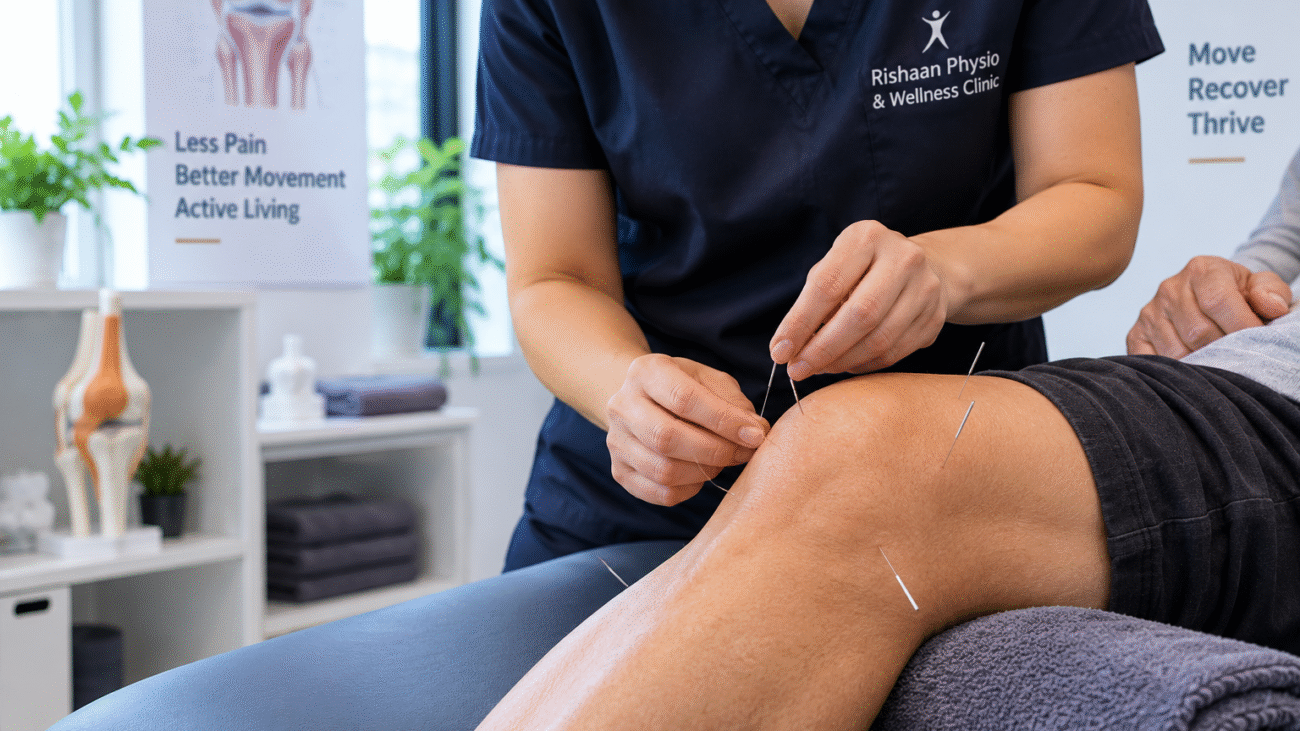
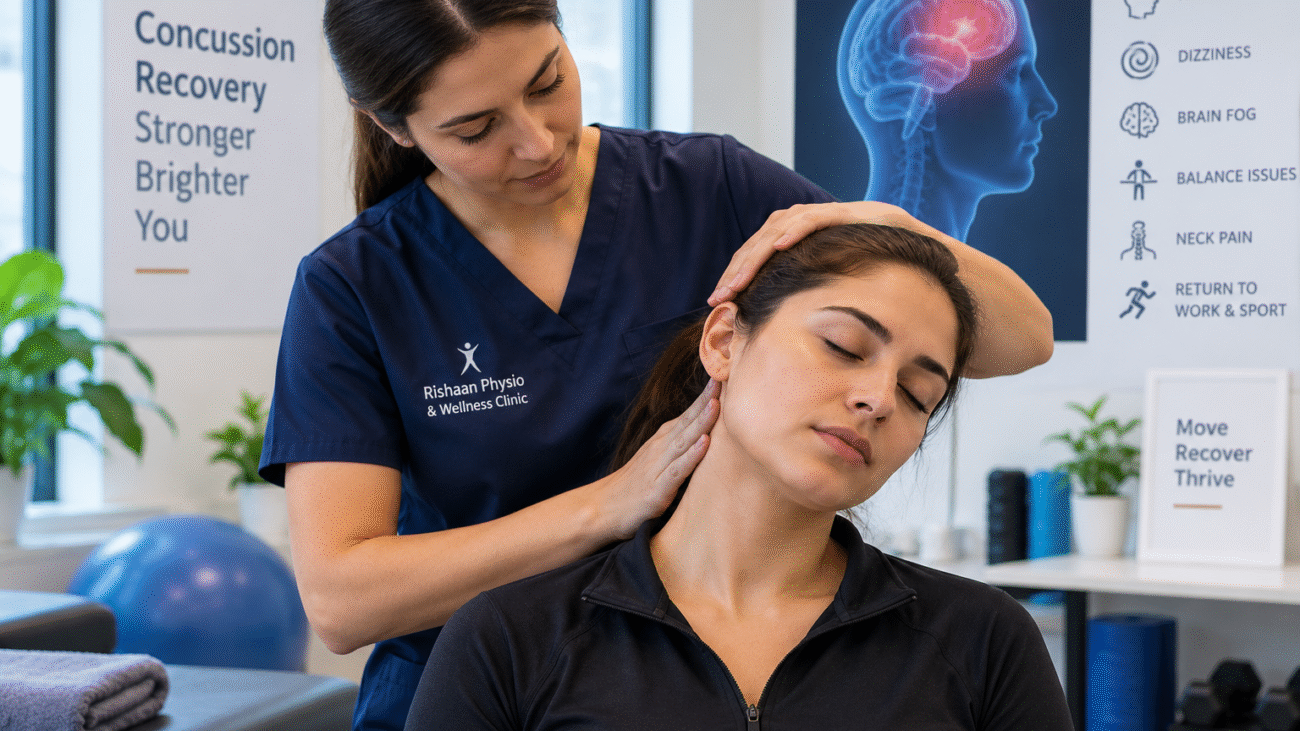
medium-shot-physiotherapist-checking-arm

Discover the Best Physiotherapy Clinic Near Me in Mississauga

If you’ve ever searched for a physiotherapy clinic near me, chances are you’re dealing with pain, stiffness, or limited mobility that’s affecting your daily life. Whether it’s chronic back pain, a sports injury, post-surgical rehabilitation, or work-related strain, physiotherapy plays a crucial role in restoring movement, reducing pain, and improving overall quality of life.

For residents of Mississauga, finding the right physiotherapy clinic can make all the difference between prolonged discomfort and a faster, sustainable recovery. With several clinics available, it’s important to choose one that offers experienced therapists, personalized treatment plans, and evidence-based care.
In this guide, we’ll help you understand what to look for in a physiotherapy clinic, the benefits of professional physiotherapy care, and why choosing the best physiotherapist in Mississauga can transform your recovery journey.

Why People Search for a “Physiotherapy Clinic Near Me”

The phrase physiotherapy clinic near me isn’t just a convenience-based search—it reflects an urgent need for accessible, professional care. Most patients prefer a clinic close to home or work so they can attend regular sessions without disrupting their routine.
Common reasons people seek physiotherapy include:

  • Persistent neck or back pain
  • Sports injuries and muscle strains
  • Post-operative rehabilitation
  • Joint pain and arthritis
  • Poor posture and mobility issues
  • Workplace or repetitive strain injuries]
  • Recovery after accidents or falls

Physiotherapy doesn’t just address symptoms—it focuses on identifying the root cause of pain and dysfunction, helping patients achieve long-term relief rather than temporary fixes.

Understanding Physiotherapy and Its Benefits

Physiotherapy is a science-based healthcare profession that focuses on movement, function, and physical well-being. Through a combination of manual therapy, targeted exercises, posture correction, and advanced modalities, physiotherapists help patients regain strength, flexibility, and confidence in movement.

Key Benefits of Physiotherapy

  • Pain Relief Without Medication

Physiotherapy uses natural, non-invasive techniques to reduce pain and inflammation.

  • Improved Mobility and Flexibility

Structured exercises restore joint and muscle function.

  • Faster Recovery from Injuries

Early intervention can significantly reduce recovery time.

  • Prevention of Future Injuries

Correcting movement patterns helps prevent recurring problems.

  • Enhanced Quality of Life

Patients can return to work, sports, and daily activities with confidence.

If you’re looking for physiotherapy Mississauga, choosing a clinic that focuses on holistic recovery rather than short-term relief is essential.

What Makes a Physiotherapy Clinic Truly “The Best”?

Not all clinics are created equal. When searching for the best physiotherapist in Mississauga, consider the following factors:

1. Qualified and Experienced Physiotherapists
A top clinic employs licensed physiotherapists with hands-on experience treating a wide range of conditions, from acute injuries to chronic pain.

2. Personalized Treatment Plans
Every body is different. The best clinics avoid one-size-fits-all treatments and instead create customized plans based on your condition, lifestyle, and goals.

3. Evidence-Based Techniques
Modern physiotherapy relies on proven methods such as manual therapy, therapeutic exercise, electrotherapy, and functional rehabilitation.

4. Patient-Centered Approach
A great physiotherapy clinic listens, educates, and involves patients in their recovery process.

5. Convenient Location and Flexible Appointments
When people search for a physiotherapy clinic near me, accessibility matters. Easy scheduling and a welcoming environment improve consistency and outcomes.

Physiotherapy in Mississauga: A Growing Need

Mississauga is a fast-growing city with a diverse population and an active lifestyle. From office professionals and athletes to seniors and post-surgical patients, the demand for high-quality physiotherapy services continues to rise.


With long working hours, sedentary lifestyles, and increased screen time, musculoskeletal issues such as neck pain, lower back pain, and posture-related discomfort have become increasingly common. This makes physiotherapy Mississauga services more important than ever.


Choosing a clinic that understands local needs and offers comprehensive care can help residents stay active and pain-free.

Conditions Treated at a Professional Physiotherapy Clinic
A reputable physiotherapy clinic treats a wide range of conditions, including:

  • Back and neck pain
  • Shoulder, knee, and hip injuries
  • Sports-related injuries
  • Sciatica and nerve pain
  • Post-surgical rehabilitation
  • Arthritis and joint stiffness
  • Muscle strains and ligament sprains
  • Postural imbalances
  • Mobility and balance issues

If you’re searching for the best physiotherapist in Mississauga, ensure the clinic has experience handling both simple and complex cases.

Why Choose Rishaan Physio?

When it comes to trusted physiotherapy care in Mississauga, Rishaan Physio stands out for its patient-focused approach and commitment to long-term recovery.

What Sets Rishaan Physio Apart?

Expert Physiotherapists

The clinic is staffed by skilled professionals who focus on accurate diagnosis and effective treatment.

Customized Treatment Programs

Every patient receives a personalized plan tailored to their condition and recovery goals.

Modern Techniques and Hands-On Care

A combination of manual therapy, corrective exercises, and advanced physiotherapy techniques ensures optimal results.

    Holistic Recovery Approach

    Beyond pain relief, the focus is on restoring function, preventing recurrence, and improving overall movement quality.

    Convenient Location in Mississauga

    Ideal for anyone searching for a reliable physiotherapy clinic near me.

    For those seeking professional and compassionate physiotherapy Mississauga services, Rishaan Physio offers a balanced blend of expertise, care, and results.
    👉 Learn more or book an appointment at: https://rishaanphysio.com/

    How to Know When You Need Physiotherapy

    Many people delay physiotherapy, hoping pain will resolve on its own. However, early treatment often leads to better and faster outcomes.

    You may benefit from visiting a physiotherapy clinic if:

    • Pain persists for more than a few days
    • Movement feels restricted or painful
    • You’ve had surgery or an injury
    • Pain interferes with work or daily activities
    • You experience recurring stiffness or weakness

    Searching for the best physiotherapist in Mississauga early can help prevent minor issues from becoming long-term problems.

    The Role of Physiotherapy in Long-Term Health

    Physiotherapy isn’t only about recovery—it’s also about prevention and performance. Regular physiotherapy can help improve posture, increase strength, and enhance overall physical resilience.
    For athletes, it improves performance and reduces injury risk. For working professionals, it helps manage posture-related strain. For seniors, it supports balance, mobility, and independence.
    This proactive approach is why more people are actively searching for physiotherapy clinic near me instead of waiting until pain becomes severe.

    Tips for Getting the Most Out of Your Physiotherapy Sessions
    To maximize your recovery:

    • Attend sessions consistently
    • Follow your home exercise program
    • Communicate openly about pain or discomfort
    • Maintain good posture and ergonomics
    • Stay active within recommended limits

    A collaborative relationship with your physiotherapist plays a key role in successful outcomes.

    Final Thoughts: Finding the Right Physiotherapy Clinic Near You

    Choosing the right physiotherapy clinic is an important step toward pain-free movement and a healthier lifestyle. Whether you’re recovering from an injury, managing chronic pain, or aiming to improve mobility, professional physiotherapy care can make a lasting difference.

    If you’re searching for a physiotherapy clinic near me, looking for trusted physiotherapy Mississauga services, or want care from the best physiotherapist in Mississauga, selecting a clinic that prioritizes personalized treatment and patient education is essential.

    With experienced therapists, customized care plans, and a strong focus on recovery and prevention, Rishaan Physio is a reliable choice for individuals seeking quality physiotherapy care in Mississauga.

    👉 Visit https://rishaanphysio.com/ to take the first step toward better movement, less pain, and a healthier life.

    5cca1290-a9b5-48e8-8c85-ab641c53a331

    Your Complete Guide to Physiotherapy in Mississauga: Everything You Need To Know Before Your First Appointment

    Finding the right physiotherapist can change the way your body feels, moves, and handles everyday stress. Whether you are recovering from an injury, dealing with chronic pain, or simply trying to move better, the first step is usually the same. You search for a Physiotherapy Clinic Near Me and hope you land on someone who understands your body as well as your goals.

    If you live in or around Mississauga, you already have access to some of the most well-trained physiotherapists in the country. The challenge is figuring out what type of care you actually need, how treatment works, and how to choose the best physiotherapist in Mississauga for your situation. This guide walks you through everything in simple, easy language so you can make confident choices about your health.


    Why Physiotherapy Matters More Than Most People Realize

    Most people think of physio only when something goes wrong. A pulled back. A stiff neck. Knee pain after a workout. But physiotherapy is much more than a quick fix. It is a long-term investment in how your body moves and holds up over the years.

    Here is what physiotherapy can help with in practical terms:

    • Pain relief that does not rely on medication
    • Faster recovery after injuries
    • Better flexibility and mobility
    • Correcting posture issues that develop from long hours sitting
    • Strengthening muscles that support your joints
    • Preventing injuries from happening again
    • Supporting safe movement for seniors
    • Helping athletes train smarter
    • Managing chronic conditions like arthritis or sciatica

    When done right, physiotherapy becomes part of your lifestyle, not something you visit only when you are already in severe pain. This is why choosing the right clinic matters so much.


    Understanding Your Options: What Types of Physiotherapy Are Available in Mississauga?

    Mississauga has a large and diverse physiotherapy community, and not every clinic focuses on the same treatments. Knowing the types of therapies available can help you narrow down your search when you look for a Physiotherapy Clinic Near Me.

    1. Orthopedic Physiotherapy

    This focuses on bones, joints, muscles, tendons, and ligaments. It is the most common type and helps people recovering from sprains, fractures, arthritis, and surgery.

    2. Sports Physiotherapy

    Designed for athletes or anyone active. These physiotherapists understand sport-specific movement patterns and help prevent future injuries while improving performance.

    3. Neurological Physiotherapy

    Helps individuals recovering from neurological conditions like stroke, Parkinson’s disease, or nerve injuries.

    4. Pelvic Floor Physiotherapy

    Commonly used for postpartum recovery, pelvic pain, urinary concerns, or core rebuilding.

    5. Geriatric Physiotherapy

    Designed for older adults who want to maintain mobility, balance, independence, and joint health.

    6. Pediatric Physiotherapy

    Helps children with mobility issues, developmental delays, coordination challenges, or injuries.

    7. Chronic Pain Physiotherapy

    Focuses on long-term conditions such as fibromyalgia, chronic lower back pain, or repetitive strain injuries.

    Each clinic will offer a different combination of these services. The good news is that Mississauga has specialists in all of these categories, which makes it easier to find exactly what you need.


    What Actually Happens During a Physiotherapy Appointment?

    If this is your first time visiting a physio, it is normal to feel unsure about what the session will include. Here is a clear picture of what typically happens when you walk into a Physiotherapy Mississauga clinic.

    1. Initial Assessment

    Your physiotherapist will take time to understand your history. This includes your lifestyle, job, daily activities, medical conditions, and symptoms.

    Expect questions like:
    • When did the pain start?
    • What movements make it better or worse?
    • What does a normal day look like for you?

    They may assess your posture, strength, flexibility, and range of motion.

    2. Personalized Treatment Plan

    There is no one-size-fits-all approach in physiotherapy. A good physio creates a plan tailored to your body and your goals, whether that’s pain relief, returning to sports, improving strength, or preventing long-term issues.

    3. Hands-on Treatment

    Depending on your condition, this can include:
    • Manual therapy
    • Soft tissue release
    • Joint mobilization
    • Stretching
    • Trigger point therapy

    4. Guided Exercises

    Your physio will walk you through specific exercises that support your treatment goals. You’ll learn how to do them correctly so you can continue at home.

    5. Education

    A huge part of physiotherapy is learning how to protect your body. A good physio explains what caused the issue and how you can prevent it from returning.

    6. Ongoing Adjustments

    Your plan may change based on how your body responds. Rehab is not linear, and that is completely normal.


    How to Choose the Best Physiotherapist in Mississauga

    This is the part that matters the most. Not all physiotherapists are the same. When you search for the best physiotherapist in Mississauga, look for these signs:

    1. They listen before they treat

    A great physio never jumps straight into treatment. They ask questions, try to understand your lifestyle, and take time to understand the full picture.

    2. They focus on long-term results

    Avoid clinics that only offer temporary pain relief. Look for someone who works on the root cause.

    3. They involve you in your own recovery

    Your physiotherapist should teach you how to take care of your body, not just treat you passively.

    4. They are trained in multiple techniques

    This includes manual therapy, exercise science, movement assessment, and rehabilitation methods. More tools equal better results.

    5. They create clear, simple treatment plans

    You should always know what to expect and what progress looks like.

    6. They don’t rush appointments

    Good care takes time. If your sessions feel too fast or generic, it may not be the right clinic.

    7. They have strong community reviews

    Look for positive feedback that mentions good communication, clear results, and personalized care.


    Common Conditions Treated by Physiotherapists in Mississauga

    If you are unsure whether physio can help your issue, take a look at some of the most common problems people visit a Physiotherapy Clinic Near Me for.

    Neck and Shoulder Pain

    Often caused by long hours at a desk, poor posture, or stress.

    Lower Back Pain

    One of the most common issues. Physiotherapy focuses on strengthening your core and improving spine mobility.

    Sports Injuries

    Sprains, pulled muscles, tendon problems, and joint pain are all manageable through physio.

    Knee Pain

    Whether from running, arthritis, or previous injury, physiotherapy helps improve stability and movement.

    Post-Surgery Rehab

    After surgeries like ACL repair or joint replacement, physiotherapy is essential for regaining strength and mobility.

    Sciatica

    Physiotherapy helps reduce nerve irritation and improves movement patterns.

    Work-related Pain

    Repetitive strain, wrist pain, and back stiffness are common in office setups.

    No matter the condition, the right physio will help you move better and feel stronger over time.


    Why Mississauga Is a Great Place for Physiotherapy

    Mississauga has grown into a major healthcare hub. With a mix of established rehab centers and modern boutique clinics, you get access to some of the best professionals in the field. The city attracts physiotherapists who specialize in advanced treatment techniques and stay updated with the latest research.

    It also has clinics that offer evening and weekend appointments, direct insurance billing, and multilingual staff, which makes life easier for patients.

    When people search for Physiotherapy Mississauga, they often find the kind of clinics that feel welcoming, professional, and patient-centered.


    How Often Should You See a Physiotherapist?

    The frequency depends on your condition and goals. Here is a general idea:

    • For acute pain, you may need 1 to 2 sessions per week
    • For recovery after surgery, it may involve structured weekly sessions
    • For chronic pain, regular sessions plus a home exercise plan work best
    • For athletes, it may be a mix of treatment and performance training

    Your physio will guide you based on how your body responds.


    Tips to Make the Most of Your Physiotherapy Sessions

    You get the best results when you are actively involved. Here are a few ways to make your treatment more effective:

    1. Be honest about your pain

    Your physio needs accurate information. Do not downplay discomfort.

    2. Stay consistent with your exercises

    Home exercises often make up 70 percent of your progress.

    3. Ask questions

    The more you understand your body, the better your results.

    4. Be patient with the process

    Recovery takes time. Small improvements add up.

    5. Focus on long-term habits

    Good posture, strong muscles, and healthy movement patterns prevent future injuries.


    Signs You Are Getting Good Care

    You will know you are working with the best physiotherapist in Mississauga when:

    • Your pain reduces over time
    • Your mobility feels better
    • You understand your condition more clearly
    • You feel heard and supported
    • You get a personalized plan
    • You feel confident doing exercises on your own

    Physiotherapy should give you results you can feel in your everyday movements.


    Final Thoughts: Start With One Search and Take the First Step

    Whether you are dealing with pain, recovering from an injury, or simply trying to move better, finding the right Physiotherapy Clinic Near Me can make a huge difference in your quality of life. Mississauga is filled with skilled and compassionate physiotherapists who can help you get stronger, more flexible, and more confident in your movements.

    The hardest part is usually the first step. After that, everything becomes easier. Your body heals better when you have the right guidance. So if you have been thinking about physio, this is your reminder that you do not need to wait for the pain to get worse. You can start today.

    chiropractor-3

    Pelvic Physiotherapy in Mississauga: Restoring Balance, Strength, and Confidence

    For many residents, the term “Physiotherapy” brings to mind images of recovering from a sports injury or managing chronic knee pain. However, there is a vital branch of healthcare that is often discussed in whispers, despite its profound impact on our quality of life: Pelvic Floor Physiotherapy.

    At our clinic, we believe that pelvic health is the foundation of overall well-being. Whether you are a new mother, an athlete, or a senior, finding the right Physiotherapy in Mississauga can be the turning point in your journey toward a pain-free, confident life.

    What Exactly is the Pelvic Floor?

    Think of your pelvic floor as a sturdy “hammock” of muscles, ligaments, and connective tissues spanning the bottom of your pelvis. It has several crucial jobs:

    1. Support: It holds your pelvic organs (bladder, uterus/prostate, and rectum) in place.
    2. Sphincteric: It gives you control over your bowel and bladder movements.
    3. Core Stability: It works in tandem with your deep abdominal and back muscles.
    4. Sexual Function: It plays a key role in sexual health and sensation.

    When these muscles become too weak (hypotonic) or too tight (hypertonic), it can lead to a cascade of issues that affect your movement and self-esteem.

    The Missing Link: Why Your Back Pain Might Be a Pelvic Issue

    Many patients come to us looking for the best physiotherapy exercises for back pain relief. While traditional spinal work is essential, we often find that the root cause lies lower.

    The pelvic floor is the “base” of your core. If this base is unstable, your lower back muscles have to overwork to compensate. This is why we often integrate pelvic assessments for patients struggling with low back pain caused by poor posture. By restoring balance to the pelvis, we often see a dramatic reduction in chronic spinal tension.

    Who Can Benefit from Pelvic Physiotherapy in Mississauga?

    1. Pre and Postnatal Care

    Pregnancy and childbirth are perhaps the most significant stresses the pelvic floor will ever face. Mississauga moms often deal with “Diastasis Recti” (abdominal separation) or incontinence after delivery. Pelvic rehab helps in safely returning to exercise and ensuring long-term internal support.

    2. Athletes and Fitness Enthusiasts

    Even the strongest athletes can have pelvic floor dysfunction. High-impact sports can sometimes lead to “stress incontinence” (leaking during a jump or run). Integrating pelvic health into sports injury rehabilitation ensures that your “internal bracing” is as strong as your external muscles.

    3. Seniors and Aging Gracefully

    Aging shouldn’t mean losing control. For our older population, physiotherapy for seniors often focuses on mobility and balance. However, pelvic physiotherapy is equally important to prevent “slips and falls” that can happen when rushing to the bathroom. Strengthening these muscles provides the confidence to remain active in the community.


    Common Signs You Need Pelvic Rehab

    If you experience any of the following, it’s time to consult a professional:

    • Leaking urine when you cough, sneeze, or exercise.
    • A frequent or urgent need to rush to the bathroom.
    • Persistent pain in the pelvic region, sacroiliac (SI) joint, or lower back.
    • A feeling of “heaviness” or pressure in the pelvic area (Pelvic Organ Prolapse).
    • Pain during intimate moments or pelvic exams.

    How Pelvic Physiotherapy Restores Confidence

    The “Confidence” part of our title isn’t just a buzzword. Pelvic issues often lead to social withdrawal—people stop going for walks at Celebration Square or avoid social gatherings because they fear an “accident.”

    Through Physiotherapy in Mississauga, we use evidence-based techniques like:

    • Manual Therapy: To release overly tight muscles.
    • Biofeedback: To help you “see” how your muscles are contracting.
    • Corrective Exercises: Beyond just “Kegels” (which aren’t right for everyone!).
    • Behavioural Retraining: Learning how to manage fluid intake and bathroom habits.

    The Holistic Connection: Hip and Knee Health

    The body is a kinetic chain. We often see that managing chronic knee pain or hip stiffness involves checking the alignment of the pelvis. If your pelvis is tilted or weak, it changes how your femur (thigh bone) sits in the socket, putting uneven pressure on your knees. By addressing the “centre,” we often resolve pain that felt like it was just a joint issue.


    Choosing the Right Clinic in Mississauga

    With so many options available, you might wonder how to choose the right physiotherapy centre in Mississauga. When it comes to pelvic health, you need a clinic that prioritizes privacy, empathy, and specialized certification.

    At Rishaan, we understand that your first visit might feel intimidating. That’s why we’ve detailed what to expect during your first visit to a physiotherapy centre, ensuring you feel informed and comfortable from the moment you walk through our doors.


    Proactive Tips for Pelvic Health

    While professional guidance is key, you can start improving your health today:

    1. Stop “Just in Case” Peeing: Don’t go to the washroom unless your bladder is actually full; this retrains the brain-bladder connection.
    2. Breathe into your Belly: Deep diaphragmatic breathing naturally relaxes the pelvic floor.
    3. Watch Your Posture: Link your pelvic health to your spine by maintaining a neutral pelvis while sitting at your desk.

    Conclusion: Your Journey to Wellness

    Pelvic Physiotherapy is not just about “fixing a problem”—it’s about reclaiming your lifestyle. From playing with your grandkids to running a marathon, a strong and balanced pelvic floor is your secret weapon for longevity.

    If you are looking for expert Physiotherapy in Mississauga, don’t let silence hold you back. Let’s work together to restore your balance, strength, and most importantly, your confidence.

    sports injury rehabilitation

    Sports Injury Rehabilitation: How Physiotherapy Speeds Up Recovery

    Sports and physical activity are essential for maintaining a healthy lifestyle, but injuries are an unfortunate reality for athletes and active individuals. Whether you’re a professional athlete, a fitness enthusiast, or someone who enjoys recreational sports, injuries can disrupt your routine, limit mobility, and impact performance.

    Sports injury rehabilitation through physiotherapy plays a crucial role in helping individuals recover safely, regain strength, and return to activity without risking re-injury. In this blog, we’ll explore common sports injuries, how physiotherapy supports recovery, and why professional rehabilitation is essential—especially if you’re seeking expert care in Mississauga.


    Understanding Sports Injuries

    Sports injuries can occur due to sudden trauma, repetitive stress, improper technique, or inadequate warm-up. They may affect muscles, joints, ligaments, tendons, or bones.

    Common Types of Sports Injuries

    1. Muscle Strains

    Overstretching or tearing of muscles, commonly affecting the hamstrings, quadriceps, or calves.

    2. Ligament Sprains

    Injuries to ligaments such as the ACL, MCL, or ankle ligaments caused by sudden twists or impacts.

    3. Tendon Injuries

    Tendonitis or tendinopathy from overuse, often seen in the Achilles tendon or rotator cuff.

    4. Joint Injuries

    Includes shoulder dislocations, knee injuries, and ankle instability.

    5. Stress Fractures

    Small cracks in bones caused by repetitive force or overuse, common among runners.


    Why Physiotherapy Is Essential for Sports Injury Recovery

    Many people attempt to “push through” injuries, which often worsens the condition. Physiotherapy focuses on safe, structured recovery and long-term prevention.

    Key Benefits of Sports Physiotherapy

    • Reduces pain and inflammation
    • Restores mobility and flexibility
    • Improves strength and endurance
    • Prevents re-injury
    • Enhances athletic performance

    Physiotherapy treats not just the injury, but the underlying cause, ensuring complete recovery.


    The Phases of Sports Injury Rehabilitation

    Phase 1: Acute Injury Management

    The initial focus is pain relief and inflammation control. Treatment may include:

    Phase 2: Restoration of Movement

    Once pain decreases, physiotherapy focuses on restoring:

    • Range of motion
    • Muscle flexibility
    • Joint stability

    Controlled movements prevent stiffness and muscle weakness.

    Phase 3: Strength and Conditioning

    Targeted exercises help rebuild muscle strength and endurance, especially in injured or weakened areas.

    Phase 4: Functional Training

    This phase prepares the body for sport-specific movements such as running, jumping, or lifting.

    Phase 5: Return to Sport

    A gradual return-to-play plan ensures safety, confidence, and optimal performance.


    Common Sports Injuries Treated with Physiotherapy

    Knee Injuries

    Including ACL tears, meniscus injuries, and patellar pain. Physiotherapy improves strength, stability, and alignment.

    Shoulder Injuries

    Common in sports like tennis, swimming, and weightlifting. Rehab focuses on mobility, rotator cuff strength, and posture.

    Ankle Sprains

    Physiotherapy restores balance, prevents chronic instability, and reduces re-injury risk.

    Back Injuries

    Lower back pain from sports activities is treated through core strengthening and posture correction.


    Sports Physiotherapy for Different Athletes

    Recreational Athletes

    Physiotherapy helps manage minor injuries and prevent long-term issues caused by improper training.

    Amateur and Competitive Athletes

    Focused rehabilitation supports performance improvement and faster recovery.

    Youth Athletes

    Physiotherapy ensures safe growth, correct movement patterns, and injury prevention.


    Injury Prevention Through Physiotherapy

    Prevention is just as important as recovery. A physiotherapist can identify risk factors such as muscle imbalances, poor flexibility, or improper technique.

    Preventive strategies include:

    • Warm-up and cool-down routines
    • Strength and conditioning programs
    • Movement analysis
    • Posture correction

    Why Choose Physiotherapy in Mississauga?

    Choosing a trusted clinic ensures high-quality care and personalized rehabilitation programs.

    At Rishaan Physio, patients benefit from:

    • One-on-one physiotherapy sessions
    • Experienced sports rehabilitation specialists
    • Customized recovery plans
    • Modern equipment and techniques
    • A patient-focused approach

    When Should You See a Sports Physiotherapist?

    You should seek professional care if:

    • Pain lasts more than a few days
    • Swelling or instability persists
    • You experience repeated injuries
    • Performance declines due to discomfort

    Early intervention speeds up recovery and prevents chronic problems.


    Final Thoughts

    Sports injuries don’t have to end your active lifestyle. With the right physiotherapy approach, you can recover safely, regain strength, and return to your sport with confidence.

    Whether you’re a weekend runner or a competitive athlete, physiotherapy provides the tools needed for long-term performance and injury prevention.


    📍 Looking for Sports Physiotherapy in Mississauga?

    Book your appointment with Rishaan Physio today and take the first step toward a stronger, safer recovery.

    why-choose-image-3

    Physiotherapy for Seniors: Improving Mobility, Balance & Quality of Life

    As we age, our bodies naturally undergo changes that can affect strength, balance, flexibility, and overall mobility. For many seniors, daily activities such as walking, climbing stairs, or even standing for long periods may become challenging. However, aging does not have to mean loss of independence or constant discomfort.

    Physiotherapy for seniors plays a vital role in maintaining mobility, managing pain, and improving overall quality of life. With the right approach, seniors can stay active, confident, and independent well into their later years.

    In this blog, we explore how physiotherapy benefits seniors, common age-related conditions, and why professional physiotherapy care in Mississauga can make a life-changing difference.


    Why Physiotherapy Is Important for Seniors

    Aging brings natural changes such as reduced muscle mass, joint stiffness, slower reaction times, and decreased bone density. These changes increase the risk of falls, injuries, and chronic pain.

    Physiotherapy helps seniors by:

    • Improving balance and coordination
    • Strengthening muscles and joints
    • Reducing pain and stiffness
    • Enhancing mobility and flexibility
    • Preventing falls and injuries
    • Supporting recovery after surgery or illness

    Unlike medication, physiotherapy addresses the root cause of physical limitations rather than just masking symptoms.


    Common Conditions Treated with Physiotherapy in Seniors

    1. Arthritis and Joint Pain

    Osteoarthritis is one of the most common conditions among seniors. It causes joint pain, stiffness, and reduced range of motion, especially in the knees, hips, and hands.

    Physiotherapy helps by:

    • Reducing inflammation
    • Improving joint mobility
    • Strengthening surrounding muscles
    • Teaching joint-protection techniques

    2. Balance Disorders and Fall Prevention

    Falls are one of the leading causes of injury among older adults. Poor balance, muscle weakness, and vision changes increase fall risk.

    Physiotherapy focuses on:

    • Balance training
    • Core strengthening
    • Gait correction
    • Confidence-building movement strategies

    These exercises significantly reduce the risk of falls and improve overall stability.


    3. Post-Surgical Rehabilitation

    Many seniors undergo surgeries such as knee replacements, hip replacements, or spinal procedures. Physiotherapy is essential for safe and effective recovery.

    Rehabilitation helps:

    • Restore movement and flexibility
    • Reduce post-surgical pain and swelling
    • Improve walking and daily function
    • Prevent complications

    4. Chronic Pain Management

    Chronic pain from conditions like arthritis, sciatica, or lower back pain can greatly affect quality of life.

    Physiotherapy offers:

    • Manual therapy techniques
    • Therapeutic exercises
    • Pain management education
    • Improved posture and movement patterns

    5. Neurological Conditions

    Seniors with conditions such as stroke, Parkinson’s disease, or neuropathy benefit greatly from physiotherapy focused on mobility and coordination.


    How Physiotherapy Improves Quality of Life for Seniors

    Improved Mobility and Independence

    Physiotherapy helps seniors maintain independence by making everyday tasks easier and safer.

    Enhanced Strength and Endurance

    Strength training tailored for seniors helps maintain muscle mass and prevents weakness-related injuries.

    Better Balance and Confidence

    Improved balance reduces fear of falling and encourages more active lifestyles.

    Pain Reduction Without Medication

    Non-invasive physiotherapy techniques reduce reliance on pain medication.

    Mental and Emotional Well-being

    Staying active boosts confidence, reduces anxiety, and improves overall mental health.


    What to Expect During a Senior Physiotherapy Session

    At a professional physiotherapy clinic in Mississauga, treatment begins with a detailed assessment, including:

    • Medical history review
    • Mobility and balance assessment
    • Strength and flexibility testing
    • Functional movement evaluation

    Based on this assessment, a personalized treatment plan is created.

    Common Treatment Techniques Include:

    • Gentle strengthening exercises
    • Stretching and mobility work
    • Balance and coordination training
    • Manual therapy
    • Education on posture and safe movement

    Each session is paced according to comfort and ability, ensuring safety at every stage.


    Home Exercises and Lifestyle Tips for Seniors

    Physiotherapy is most effective when combined with healthy daily habits:

    • Stay physically active with light exercises or walking
    • Maintain a healthy weight
    • Wear supportive footwear
    • Keep living spaces free of tripping hazards
    • Follow prescribed home exercise programs

    Consistency plays a key role in long-term improvement.


    When Should Seniors Seek Physiotherapy?

    Seniors should consider physiotherapy if they experience:

    • Difficulty walking or standing
    • Frequent falls or balance issues
    • Joint stiffness or chronic pain
    • Reduced mobility after illness or surgery
    • Fear of movement due to pain

    Early intervention leads to better outcomes and prevents further decline.


    Why Choose Physiotherapy in Mississauga?

    Choosing the right clinic is essential for effective recovery. A trusted physiotherapy clinic in Mississauga offers:

    • Experienced and licensed physiotherapists
    • Personalized one-on-one care
    • Modern treatment techniques
    • A supportive and patient-centered environment

    At Rishaan Physio, the goal is to help seniors move better, feel stronger, and live independently with confidence.


    Final Thoughts

    Aging should not limit your ability to live fully and actively. With the right physiotherapy support, seniors can regain strength, improve balance, and enjoy a healthier, more independent lifestyle.

    If you or a loved one is experiencing mobility challenges, pain, or reduced confidence in movement, physiotherapy can make a meaningful difference.


    📍 Looking for Senior Physiotherapy in Mississauga?

    Book an appointment at Rishaan Physio today and take the first step toward improved mobility, strength, and independence.

    physiotherapy-01

    Physiotherapy for Knee Pain: Causes, Treatment & Recovery in Mississauga

    Knee pain is one of the most common musculoskeletal complaints affecting people of all ages. Whether caused by injury, aging, overuse, or medical conditions like arthritis, knee pain can significantly impact mobility, independence, and overall quality of life. From difficulty climbing stairs to discomfort while walking or standing, knee pain often interferes with daily routines.

    Fortunately, physiotherapy for knee pain offers a safe, effective, and long-term solution. With targeted exercises, manual therapy, and personalized rehabilitation programs, physiotherapy helps reduce pain, restore strength, and prevent future injuries.

    In this blog, we’ll explore the causes of knee pain, how physiotherapy helps, treatment approaches, and when to seek professional care—especially if you’re looking for expert knee pain treatment in Mississauga.

    Understanding Knee Pain: Why Does It Happen?

    The knee is one of the largest and most complex joints in the body. It supports body weight, allows movement, and absorbs impact during daily activities. Because of this, it is highly susceptible to injury and wear.

    Common Causes of Knee Pain

    1. Osteoarthritis

    One of the most common causes, especially in older adults. It occurs when the cartilage cushioning the knee joint gradually wears down, leading to pain, stiffness, and swelling.

    2. Ligament Injuries

    Injuries to ligaments such as the ACL, MCL, or PCL often occur during sports or sudden twisting movements.

    3. Meniscus Tears

    The meniscus acts as a shock absorber in the knee. Tears can occur due to sudden movements or degeneration over time.

    4. Patellofemoral Pain Syndrome (Runner’s Knee)

    Pain around the kneecap caused by overuse, poor alignment, or muscle imbalances.

    5. Tendonitis

    Inflammation of tendons around the knee, often seen in athletes or individuals performing repetitive movements.

    6. Post-Surgical Knee Pain

    Pain and stiffness following knee surgeries such as ACL reconstruction or knee replacement.


    Signs You Should Not Ignore

    Knee pain may start mildly, but ignoring early symptoms can worsen the condition. Common warning signs include:

    • Persistent pain lasting more than a few days
    • Swelling or stiffness
    • Difficulty bending or straightening the knee
    • Clicking or popping sounds
    • Weakness or instability
    • Pain during walking or climbing stairs

    If you experience any of these, it’s time to consider professional physiotherapy.


    How Physiotherapy Helps with Knee Pain

    Physiotherapy addresses the root cause of knee pain rather than just masking symptoms. A personalized physiotherapy plan focuses on restoring mobility, strength, and function while preventing recurrence.

    1. Pain Relief and Inflammation Reduction

    Physiotherapists use techniques such as:

    • Manual therapy
    • Soft tissue mobilization
    • Modalities like ultrasound or electrical stimulation
    • Ice or heat therapy

    These help reduce inflammation and ease discomfort.

    2. Strengthening Muscles Around the Knee

    Weak muscles—especially the quadriceps, hamstrings, and glutes—can increase stress on the knee joint. Targeted strengthening exercises improve stability and reduce strain.

    3. Improving Flexibility and Mobility

    Tight muscles can restrict movement and alter biomechanics. Stretching programs restore flexibility and enhance joint function.

    4. Correcting Movement Patterns

    Poor walking, running, or posture habits often contribute to knee pain. Physiotherapists assess gait and movement patterns to correct imbalances.

    5. Injury Prevention

    Physiotherapy not only treats pain but also reduces the risk of re-injury through education, strengthening, and ergonomic advice.


    Common Physiotherapy Treatments for Knee Pain

    At a professional physiotherapy clinic in Mississauga, treatment may include:

    ✔ Manual Therapy

    Hands-on techniques to mobilize joints and soft tissues, improving flexibility and reducing pain.

    ✔ Therapeutic Exercises

    Customized exercise programs targeting strength, balance, and coordination.

    ✔ Electrotherapy

    Modalities such as TENS or ultrasound to relieve pain and promote healing.

    ✔ Kinesiology Taping

    Provides support, reduces swelling, and improves joint alignment.

    ✔ Gait Training

    Helps correct walking patterns and improve overall movement efficiency.


    Knee Pain in Different Age Groups

    Knee Pain in Young Adults

    Often linked to sports injuries, overuse, or poor biomechanics. Early physiotherapy helps prevent long-term damage.

    Knee Pain in Middle Age

    Often due to muscle imbalances, weight changes, or early joint degeneration.

    Knee Pain in Seniors

    Commonly caused by arthritis, reduced muscle strength, and balance issues. Physiotherapy helps maintain independence and mobility.


    At-Home Tips to Support Knee Recovery

    While professional treatment is essential, you can support recovery at home by:

    • Maintaining a healthy weight to reduce knee stress
    • Performing prescribed home exercises regularly
    • Using proper footwear
    • Avoiding prolonged sitting or sudden increases in activity
    • Practicing good posture

    When Should You See a Physiotherapist?

    You should consult a physiotherapist if:

    • Pain lasts more than a week
    • Swelling or stiffness increases
    • Pain interferes with daily activities
    • You’ve had a sports injury or fall
    • You’re recovering from knee surgery

    Early intervention often leads to faster recovery and better outcomes.


    Why Choose Physiotherapy in Mississauga?

    If you’re experiencing knee pain, choosing a professional physiotherapy clinic in Mississauga ensures access to trained experts who understand your condition and create a personalized recovery plan.

    At Rishaan Physio, patients receive:

    • One-on-one care
    • Individualized treatment plans
    • Evidence-based physiotherapy techniques
    • A compassionate and patient-focused approach

    Whether your goal is pain relief, improved mobility, or returning to sports, physiotherapy can help you move confidently again.


    Final Thoughts

    Knee pain doesn’t have to limit your lifestyle. With the right diagnosis, personalized physiotherapy program, and expert guidance, long-term recovery is achievable. Early treatment not only relieves pain but also prevents future complications.

    If you’re dealing with persistent knee discomfort, don’t wait. Seek professional physiotherapy care and take the first step toward stronger, pain-free movement.


    📍 Looking for Expert Knee Pain Treatment in Mississauga?

    Book your appointment with Rishaan Physio today and experience personalized, effective physiotherapy care designed for lasting recovery.

    case-study-3

    How to Choose the Right Physiotherapy Center in Mississauga

    Physiotherapy plays an important role in pain management, injury recovery, and long-term mobility improvement. Whether you are dealing with chronic back pain, a sports injury, or post-surgical stiffness, selecting the right physiotherapy center in Mississauga can significantly impact your recovery outcomes.

    With multiple clinics offering similar services, understanding what to look for can help patients make informed decisions and receive effective, evidence-based care.

    Understanding the Role of a Physiotherapy Center

    A physiotherapy center focuses on diagnosing, treating, and preventing physical movement disorders. Treatment plans are typically designed to improve strength, flexibility, posture, and overall function while reducing pain and discomfort.

    Most physiotherapy centers in Mississauga support conditions such as:

    • Back and neck pain
    • Joint stiffness and arthritis
    • Sports-related injuries
    • Postural and work-related discomfort
    • Post-surgical rehabilitation

    Rather than offering quick fixes, physiotherapy emphasizes long-term recovery and prevention through guided exercises and hands-on treatment.

    Factors to Consider When Choosing a Physiotherapy Center in Mississauga

    1. Individual Assessment Approach

    A reliable physiotherapy center begins with a detailed assessment. This includes evaluating posture, movement patterns, muscle strength, and pain triggers. Clinics that skip this step often rely on generalized treatments, which may delay recovery.

    2. Evidence-Based Treatment Methods

    Physiotherapy centers that follow evidence-based practices use techniques supported by clinical research. These may include manual therapy, therapeutic exercises, and modality-based treatments depending on the patient’s condition.

    3. Personalized Treatment Plans

    Each patient’s body, lifestyle, and recovery goals are different. A good physiotherapy center in Mississauga tailors treatment plans based on individual needs rather than applying standard routines to everyone.

    4. Focus on Education and Prevention

    Patient education is a key part of physiotherapy. Clinics that guide patients on posture correction, home exercises, and injury prevention help reduce the risk of recurring pain and long-term dependency on treatment.

    Common Conditions Treated at Physiotherapy Centers

    Physiotherapy centers in Mississauga often manage both acute and chronic conditions. Some of the most commonly treated issues include:

    • Lower back pain and sciatica
    • Neck pain caused by prolonged screen time
    • Shoulder and knee injuries
    • Muscle strains and ligament sprains
    • Reduced mobility after surgery or injury

    Early intervention through physiotherapy can prevent minor issues from becoming long-term problems.

    Why Local Expertise Matters

    Choosing a local physiotherapy center in Mississauga offers practical advantages. Local clinics often understand common lifestyle factors such as desk-based work, long commute hours, and activity patterns that contribute to musculoskeletal pain.

    Accessibility and consistency of care also improve when treatment is close to home, encouraging regular follow-ups and better adherence to recovery plans.

    When Should You Visit a Physiotherapy Center?

    Many people delay physiotherapy until pain becomes severe. However, early assessment can help identify underlying movement issues before they worsen. You may benefit from visiting a physiotherapy center if you experience:

    • Persistent pain lasting more than a few weeks
    • Limited range of motion
    • Recurring muscle or joint discomfort
    • Difficulty performing daily activities

    Timely physiotherapy support often leads to faster recovery and better long-term outcomes.

    The Importance of a Structured Recovery Plan

    A structured recovery plan typically includes in-clinic sessions along with guided home exercises. Physiotherapy centers that emphasize progress tracking and gradual load management help patients regain function safely and sustainably.

    This approach not only supports recovery but also builds strength and resilience against future injuries.

    Final Thoughts

    Selecting the right physiotherapy center in Mississauga involves more than checking availability or pricing. Assessment quality, treatment approach, patient education, and long-term focus are critical factors that influence recovery success.

    For individuals seeking physiotherapy support, understanding these elements can help in choosing a clinic that aligns with their health goals and encourages lasting physical well-being.

    why-choose-image-3

    When Should You Visit a Physiotherapy Center in Mississauga?

    Physiotherapy is often associated with injury recovery or post-surgical rehabilitation, but its role extends far beyond these scenarios. Many individuals delay seeking physiotherapy support until pain becomes severe or daily activities are significantly affected. Understanding when to visit a physiotherapy center in Mississauga can help address issues early, improve recovery outcomes, and prevent long-term complications.

    This article explores common signs, conditions, and situations where physiotherapy intervention can play a crucial role in maintaining physical health and mobility.

    Understanding the Purpose of Physiotherapy

    Physiotherapy focuses on restoring movement, function, and strength while reducing pain and discomfort. It addresses issues related to muscles, joints, nerves, and posture through structured assessments and targeted treatment plans.

    A physiotherapy center does not only treat symptoms but aims to identify the underlying cause of physical limitations. This approach supports long-term recovery rather than temporary relief.

    Early Signs That Indicate a Need for Physiotherapy

    Pain is one of the most common reasons people seek physiotherapy, but it is not the only indicator. Several early signs suggest that visiting a physiotherapy center in Mississauga may be beneficial:

    • Persistent stiffness in the neck, back, or joints
    • Reduced flexibility or difficulty moving certain body parts
    • Recurrent muscle tightness after daily activities
    • Discomfort during prolonged sitting or standing
    • Uneven posture or movement patterns

    Ignoring these early signs may lead to compensatory movements, increasing strain on other parts of the body.

    Acute Injuries and Physiotherapy Support

    Acute injuries typically occur suddenly due to accidents, sports activities, or physical strain. These may include muscle strains, ligament sprains, or joint injuries.

    Physiotherapy centers in Mississauga help manage acute injuries by:

    • Reducing pain and inflammation
    • Restoring normal movement patterns
    • Preventing stiffness and muscle weakness
    • Supporting safe and gradual return to activity

    Early physiotherapy intervention after an acute injury often shortens recovery time and reduces the risk of re-injury.

    Chronic Pain and Long-Term Conditions

    Chronic pain develops gradually and may persist for months or years. Common chronic conditions treated at physiotherapy centers include:

    • Lower back pain
    • Neck pain related to posture or desk work
    • Arthritis-related joint stiffness
    • Sciatica and nerve-related discomfort

    Physiotherapy for chronic conditions focuses on improving mobility, strengthening supporting muscles, and educating patients on pain management strategies. Consistent physiotherapy care can help reduce dependency on pain medications and improve overall quality of life.

    Post-Surgical Rehabilitation

    Surgery can significantly impact strength, flexibility, and coordination. Whether it involves joint replacement, ligament repair, or spinal procedures, structured rehabilitation is essential for optimal recovery.

    A physiotherapy center in Mississauga supports post-surgical recovery by:

    • Restoring range of motion
    • Rebuilding muscle strength
    • Improving balance and coordination
    • Reducing post-operative stiffness

    Guided rehabilitation helps patients regain confidence in movement while minimizing complications.

    Work-Related and Postural Issues

    Modern lifestyles often involve prolonged sitting, repetitive tasks, and screen-based work. Over time, these habits can lead to postural imbalances and musculoskeletal discomfort.

    Common work-related issues addressed through physiotherapy include:

    • Neck and shoulder pain
    • Lower back discomfort
    • Wrist and elbow strain
    • Reduced spinal mobility

    Physiotherapy centers emphasize posture correction, ergonomic education, and movement awareness to address these concerns effectively.

    Preventive Role of Physiotherapy

    Physiotherapy is not only reactive but also preventive. Regular assessments can identify movement dysfunctions before they cause pain or injury. This is particularly beneficial for:

    • Individuals with physically demanding jobs
    • Athletes and active individuals
    • Older adults aiming to maintain mobility

    Preventive physiotherapy helps improve movement efficiency and reduce the likelihood of future injuries.

    When Delaying Physiotherapy Can Be Risky

    Delaying physiotherapy may lead to:

    • Increased pain severity
    • Reduced mobility and flexibility
    • Development of compensatory movement patterns
    • Longer recovery timelines

    Seeking timely physiotherapy support allows for early intervention and better long-term outcomes.

    Final Thoughts

    Understanding when to visit a physiotherapy center in Mississauga can help individuals make proactive decisions about their physical health. Whether addressing early discomfort, recovering from injury, or managing chronic conditions, physiotherapy plays a vital role in supporting mobility, function, and overall well-being.

    why-choose-image-1

    What to Expect During Your First Visit to a Physiotherapy Center in Mississauga

    For individuals visiting physiotherapy for the first time, uncertainty about the process is common. Knowing what to expect during an initial appointment at a physiotherapy center in Mississauga can help patients feel prepared and engaged in their recovery journey.

    This article explains the typical structure of a first physiotherapy visit, from assessment to treatment planning.

    Importance of the First Physiotherapy Session

    The first visit lays the foundation for effective treatment. It allows the physiotherapist to understand the patient’s condition, movement patterns, and lifestyle factors influencing recovery.

    Rather than focusing only on pain, physiotherapy assessments aim to uncover the root cause of physical limitations.

    Initial Consultation and Medical History Review

    The session usually begins with a detailed discussion covering:

    • Current symptoms and pain history
    • Previous injuries or surgeries
    • Daily activities and work routine
    • Physical goals and recovery expectations

    This information helps the physiotherapist create a complete picture of the patient’s physical health.

    Physical Assessment and Movement Evaluation

    Following the consultation, a physical examination is conducted. This may involve:

    • Posture assessment
    • Joint mobility testing
    • Muscle strength evaluation
    • Flexibility analysis
    • Functional movement observation

    These assessments help identify imbalances, restrictions, or inefficient movement patterns contributing to discomfort.

    Understanding Pain and Movement Limitations

    Physiotherapists often explain how specific movement dysfunctions relate to pain. This educational aspect helps patients understand their condition and actively participate in recovery.

    Education is a key component of physiotherapy, empowering patients with knowledge about their bodies.

    Development of a Personalized Treatment Plan

    Based on the findings, the physiotherapist designs a treatment plan tailored to the patient’s needs. This plan typically includes:

    • Frequency of sessions
    • Types of therapy techniques used
    • Short-term and long-term goals
    • Expected recovery timeline

    Treatment plans are flexible and adjusted based on progress.

    Common Treatment Approaches Used

    A physiotherapy center in Mississauga may incorporate a combination of:

    • Manual therapy
    • Therapeutic exercises
    • Mobility and stability training
    • Pain-relief modalities

    The goal is to restore function while ensuring safe and gradual progression.

    Role of Home Exercises and Self-Management

    Physiotherapy extends beyond clinic sessions. Patients are often guided through home exercises to support recovery between visits. These exercises help:

    • Reinforce clinic-based treatment
    • Improve strength and flexibility
    • Promote long-term self-management

    Consistency with home programs plays a significant role in recovery success.

    Tracking Progress and Follow-Up Sessions

    Progress is monitored regularly through reassessments. Follow-up sessions allow physiotherapists to:

    • Adjust treatment intensity
    • Introduce advanced exercises
    • Address new or persistent issues

    This ongoing evaluation ensures that recovery remains aligned with patient goals.

    Importance of Patient Communication

    Open communication between patient and physiotherapist helps address concerns, clarify expectations, and optimize treatment effectiveness. Patients are encouraged to share feedback about pain levels and daily challenges.

    Long-Term Benefits of Structured Physiotherapy Care

    Beyond symptom relief, physiotherapy helps improve:

    • Movement efficiency
    • Body awareness
    • Injury prevention strategies

    These benefits support long-term physical health and reduce the likelihood of recurring issues.

    Final Thoughts

    Understanding what happens during the first visit to a physiotherapy center in Mississauga helps patients approach treatment with confidence. A structured assessment, personalized care plan, and focus on education create a strong foundation for effective recovery and sustained mobility.

    case-study-1

    Low Back Pain & Hip Dysfunction Caused by Poor Posture: A Complete Guide

    Low back pain is one of the most common physical health concerns affecting people of all ages today. With long working hours, increased screen usage, and reduced physical activity, more individuals are developing chronic discomfort in their lower back and hips. What many don’t realize is that poor posture is one of the biggest contributors to low back pain and hip dysfunction.

    This article explores how posture affects the spine and hips, what symptoms to look for, and why early intervention using Physiotherapy in Mississauga or chiropractic in Mississauga can help restore pain-free mobility.

    Understanding the Connection: Posture, Spine & Hips

    The spine and hips work closely together to support body movement, maintain balance, and evenly distribute weight. When posture is aligned correctly:

    • The spine maintains its natural curves
    • Muscles share the workload equally
    • Joints and discs remain protected from stress

    However, when posture is compromised — often due to prolonged sitting, slouching, or improper standing positions — the mechanics of the spine and hips begin to break down.

    How Poor Posture Leads to Low Back Pain

    Poor posture places excessive stress on the lumbar spine (lower back). Here’s how:

    1️⃣ Increased Load on Lumbar Discs

    Slouching or leaning forward causes spinal discs to compress unevenly. Over time, this may result in:

    • Disc herniation
    • Nerve compression
    • Chronic back stiffness

    2️⃣ Muscle Imbalances

    Bad posture weakens important stabilizing muscles such as:

    • Gluteus muscles
    • Core muscles
    • Lower back extensors

    When stabilizer muscles weaken, other muscles overcompensate and fatigue quickly, leading to pain.

    3️⃣ Altered Spine Curvature

    The natural S-shape of the spine provides shock absorption. Poor posture can cause:

    • Hyperlordosis (excessive inward curve)
    • Flat back syndrome
    • Increased pressure on vertebrae

    How Poor Posture Causes Hip Dysfunction

    The hips are among the most mobile and weight-bearing joints in the body. If posture shifts, hips take the burden:

    1️⃣ Tight Hip Flexors

    Prolonged sitting shortens hip flexor muscles, pulling the pelvis forward (anterior pelvic tilt), leading to:

    • Lower back arching
    • Pain during walking or standing

    2️⃣ Weak Glutes

    Weak glute muscles affect pelvic stability, causing:

    • Hip joint strain
    • Poor gait (walking pattern)
    • Increased load on knees and lower back

    3️⃣ Pelvic Misalignment

    Imbalanced posture can shift the pelvis, creating uneven pressure on hip joints — often leading to:

    • Sacroiliac (SI) joint dysfunction
    • Hip impingement
    • Reduced mobility

    Common Symptoms to Watch For

    Posture-related dysfunction often develops silently. Symptoms gradually worsen until they affect daily life. You may experience:

    ✔ Low back stiffness after sitting
    ✔ Hip pain during walking or climbing stairs
    ✔ Radiating pain into buttocks or thighs
    ✔ Difficulty bending or twisting
    ✔ Tightness in hamstrings and lower back
    ✔ Clicking or locking in hip joints
    ✔ Postural fatigue and muscle soreness

    If you’re noticing these problems consistently, it’s time to seek professional help.


    Who is Most at Risk?

    People engaged in these lifestyle habits are more prone to posture-related pain:

    • Office professionals working long hours at a desk
    • Students spending excessive time on laptops or smartphones
    • Drivers or delivery workers
    • Individuals performing heavy physical labour with incorrect technique
    • Athletes who overuse specific muscle groups
    • New mothers carrying babies for long periods
    • Older adults with muscle weakness

    The Role of Physiotherapy in Mississauga

    Physiotherapy in Mississauga focuses on understanding the root cause of pain—not just treating surface symptoms. A registered physiotherapist will assess:

    • Postural alignment
    • Hip mobility
    • Core and glute strength
    • Gait (walking pattern)
    • Muscle tightness and imbalance

    Physiotherapy Treatment Methods

    TechniqueBenefits
    Manual TherapyImproves mobility, reduces pain
    Postural Correction TrainingRestores optimal alignment
    Strengthening ExercisesSupports spinal and hip stability
    Stretching & Mobility WorkReduces muscle tension
    Functional Movement TrainingEnhances proper movement patterns
    Education & Ergonomic AdvicePrevents recurrence

    Through a personalized treatment plan, physiotherapy helps you move comfortably again—whether you’re at work, home, or the gym.


    How Chiropractic in Mississauga Helps

    Chiropractic in Mississauga is another effective approach for posture-related low back and hip issues, focusing on the alignment of the spine and joints.

    What Chiropractic Treatment Does

    • Realigns spinal vertebrae and pelvis
    • Reduces nerve compression and inflammation
    • Improves joint function and mobility
    • Promotes faster healing of muscles and soft tissues

    Many patients benefit from a combined approach — physiotherapy builds strength and mobility, while chiropractic ensures proper structural alignment.


    Top Posture Mistakes to Avoid

    You might be making these everyday mistakes without realizing it:

    🚫 Sitting with rounded shoulders
    🚫 Crossing legs for long periods
    🚫 Leaning forward towards a screen
    🚫 Carrying heavy bags on one side
    🚫 Wearing high heels regularly
    🚫 Standing with hips shifted to one side

    Correcting these habits early can prevent long-term damage.


    How to Improve Posture at Home: Practical Tips

    Here are easy changes that can help protect your spine and hips:

    At Work

    • Maintain screen at eye level
    • Keep feet flat on the floor
    • Use a chair with lumbar support
    • Take movement breaks every 30–45 minutes

    While Standing

    • Distribute weight evenly on both legs
    • Keep ears aligned with shoulders and hips
    • Avoid locking knees

    During Exercise

    • Warm up properly
    • Focus on engaging core & glutes
    • Avoid heavy lifting with a curved spine

    Sleep Tips

    • Sleep on a firm mattress
    • Use a pillow that supports neck alignment
    • Side sleeping with a pillow between knees helps hip alignment

    Best Exercises for Posture-Related Back & Hip Pain

    Here are some commonly prescribed exercises by physiotherapists:

    ExerciseBenefits
    Cat-Cow StretchImproves spinal mobility
    Glute BridgesStrengthens glutes & core
    Hip Flexor StretchReleases pelvic tightness
    ClamshellsCorrects hip muscle imbalance
    PlanksBuilds core stability
    Hamstring StretchReduces lower back tension

    ⚠️ Note: Always consult a registered physiotherapist to determine the best exercises for your condition.


    When to Seek Treatment

    If your pain:

    • Persists for more than 2–3 weeks
    • Affects sleep or daily activities
    • Radiates into legs
    • Causes numbness or weakness
    • Worsens with prolonged sitting or walking

    …then professional care is essential. Ignoring symptoms may lead to chronic conditions, requiring longer treatment time.


    Why Choose Rishaan Physio?

    At Rishaan Physio, we specialize in diagnosing musculoskeletal issues and designing customized treatment plans. Our qualified experts provide:

    ✔ Evidence-based physiotherapy in Mississauga
    ✔ Chiropractic care in Mississauga (if clinic offers)
    ✔ Postural correction training
    Pain relief and long-term prevention strategies
    ✔ One-on-one rehabilitation sessions
    ✔ State-of-the-art equipment and caring professionals

    Your comfort, recovery, and mobility are our top priorities.


    Conclusion

    Poor posture may seem harmless, but over time it can severely impact the spine and hip joints, causing chronic pain and limited mobility. The good news? Early intervention can reverse many of these changes.

    Whether you’re dealing with stiffness from long office hours or recurring hip discomfort when walking, Physiotherapy in Mississauga and chiropractic in Mississauga offer effective solutions to restore posture, relieve pain, and prevent future injuries.

    Take the first step toward a healthier spine and happier movement.
    Reach out to Rishaan Physio today and let our specialists help you stand tall again — pain-free and confident.